West Virginia Rules on Private Mine Roads
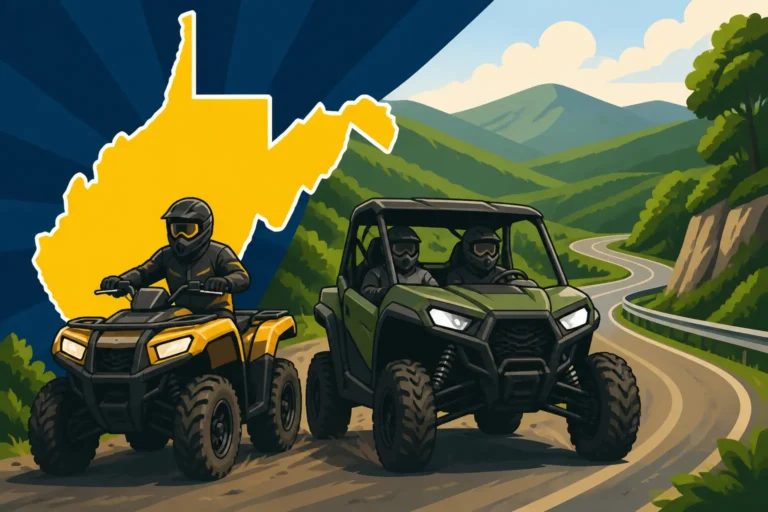
Riding your ATV or UTV through the majestic mountains and valleys of West Virginia is an unparalleled adventure, but the landscape is often dotted with roads that appear open yet are anything but: private mine roads. Many riders, eager to explore every inch of the Mountain State, find themselves confused about the legality of using these paths, often stumbling into sticky situations involving trespass or unexpected hazards. This guide is here to untangle the complexities of West Virginia's rules for riding ATVs and UTVs on private mine roads, ensuring you stay on the right side of the law and safe on your journeys.
The Reality of Private Mine Roads in West Virginia
Before we dive into the rules, it’s crucial to understand what these roads are and why they exist. West Virginia has a rich history deeply intertwined with coal mining, and while many mines have ceased operation, their infrastructure remains. Private mine roads are, by definition, privately owned and maintained by mining companies, landholding corporations, or even individual landowners. They weren't built for recreational riding, even if they look like tempting trails winding through picturesque scenery.
These roads serve various purposes, from active haul routes for heavy machinery to access points for reclamation efforts, gas well maintenance, timber operations, or simply private property access. They often connect to public roads, sometimes seamlessly, which can be incredibly deceptive for an unknowing rider. The illusion of a continuous, open trail system is perhaps the biggest pitfall, leading many to inadvertently cross onto private land without realizing it. It’s a common frustration for riders who see vast, seemingly untouched areas and assume they're free to roam, only to discover too late that they've entered a restricted zone.
Who Owns These Roads?
The ownership of private mine roads isn't always immediately obvious. While some are clearly marked with "Private Property" or "No Trespassing" signs, many are not. These roads are typically owned by active mining companies like Consol Energy or Arch Resources, or by large landholding companies such as Natural Resource Partners or others that manage timber and mineral rights. Sometimes, smaller, legacy operations or family-owned parcels will have extensive networks of these roads. The key takeaway here is that they are not public rights-of-way, nor are they part of the [Hatfield-McCoy Trails, West Virginia's 1,200-Mile Network] without specific, explicit agreements in place.
It's a common misconception that if a road isn't paved or if it looks like a "fire road," it must be public access. In West Virginia, this assumption can quickly land you in trouble. These property owners have a vested interest in controlling access for safety, security, and liability reasons. They need to protect their equipment, manage environmental responsibilities, and prevent accidents that could lead to costly lawsuits. So, while a dirt road might seem inviting, it often leads directly into someone else's operating area or private domain.
Why Are They Off-Limits to Most Riders?
The primary reason these roads are off-limits is a combination of safety, liability, and property rights. Active mine roads can be incredibly dangerous. Imagine encountering a fully loaded coal truck around a blind curve, or navigating roads that are unstable due to ongoing mining operations. These aren't just bumps and ruts; they can be active blast zones, heavy equipment thoroughfares, or areas with unstable ground. [West Virginia Rules on Private Mine Roads] are in place to prevent serious injury or worse.
From a liability standpoint, landowners face significant risks if they permit unauthorized access. If a rider is injured on their property, even if trespassing, the landowner can potentially be held responsible. This risk is a major motivator for strict enforcement of private property rules. Moreover, these roads often access valuable natural resources or active industrial sites, making security and property protection paramount. Unauthorized access can lead to theft, vandalism, or disruption of operations. Understanding these underlying reasons helps to clarify why such seemingly open roads are actually heavily restricted.
The Legal Landscape: Trespassing and Penalties
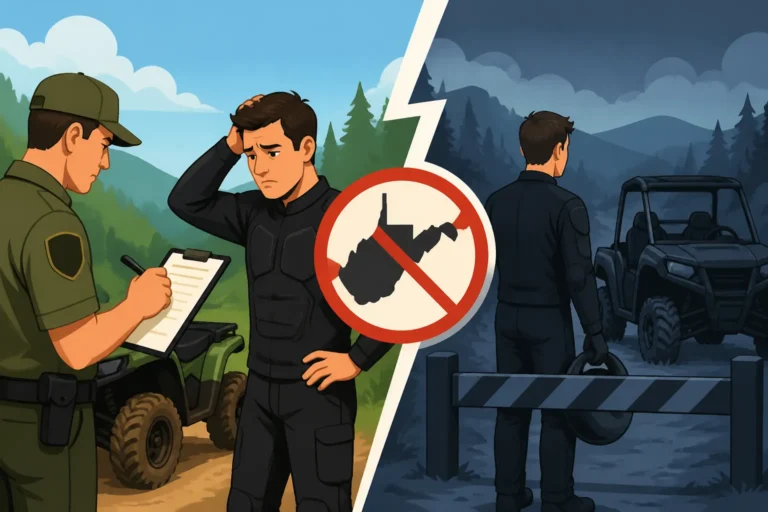
This is where the rubber meets the road, so to speak. Riding on private mine roads without explicit permission is, unequivocally, trespassing. West Virginia law is quite clear on this, and the consequences can range from minor fines to serious legal trouble, including impoundment of your machine. It’s a harsh reality that many riders only learn the hard way, often after being stopped by local law enforcement or, even more commonly, by private security contracted by the land or mine owner.
The frustration is understandable: you're out enjoying nature, you see an unmarked road, and you think "adventure!" But that brief moment of excitement can quickly turn into a headache. The penalties aren't just theoretical; deputies and security personnel regularly patrol these areas, especially where there's a known problem with unauthorized access. They are well within their rights to stop you, issue citations, and take further action.
West Virginia Trespass Laws and Fines
West Virginia Code specifies various forms of criminal trespass. Generally, trespassing on private property, especially when signs are posted or if you ignore a direct warning, can result in misdemeanor charges. A first offense typically involves a fine, but repeat offenses can lead to more significant penalties, including higher fines and even jail time. The exact amount of the fine can vary depending on the county and the specific circumstances, but it's never a small sum, and it’s always more expensive than staying on legal trails. [West Virginia ATV Ticket Costs] can really add up.
Beyond the immediate fine, you'll also have a criminal record, which can impact employment, housing, and other aspects of your life. It's not just a slap on the wrist. Furthermore, if your ATV or UTV is untitled or unregistered, which is often the case if it’s only ridden off-road, you might face additional charges. [Penalties for an Untitled ATV in West Virginia] can exacerbate an already bad situation. It's a double whammy that can really sting your wallet and your freedom to ride.
Impoundment and Recovery of Your Machine
One of the most immediate and painful consequences of trespassing on private mine roads is the potential impoundment of your ATV or UTV. Law enforcement or authorized private security can seize your machine on the spot. Getting it back is rarely simple or cheap. You'll likely face impoundment fees, storage fees, and potentially other administrative costs, all before you even pay the actual trespassing fine. This process can be lengthy, costly, and incredibly inconvenient, often requiring you to travel to a tow lot or impound facility that might be hours away.
Think about it: you're enjoying a ride, suddenly you're facing a deputy, and next thing you know, your beloved machine is being loaded onto a flatbed. It's a nightmare scenario that's entirely avoidable. The legal fees, the fines, the impoundment costs—it all makes for a very expensive shortcut or scenic route. Knowing these risks upfront should be a strong deterrent against venturing onto unmarked or clearly private roads.
How to Gain Legal Access to Private Mine Roads
The good news is that "private" doesn't always mean "never." While you absolutely cannot just ride onto these roads without permission, there are legitimate avenues for gaining access. It usually requires proactive effort and respecting the landowners' wishes, but it's often possible to explore areas that are otherwise off-limits. The key is to never assume and always seek explicit permission.
Many riders dream of exploring vast, untamed wilderness, and some mine roads do offer incredible views and unique riding challenges. However, the legal way to enjoy these sights involves engaging with the property owners directly. This can feel like a daunting task, but a polite, well-reasoned request is often met with more understanding than you might expect, especially if you demonstrate respect for their property and safety concerns.
Obtaining Permission from Landowners or Companies
The most direct way to legally ride a private mine road is to get permission directly from the property owner or the company that holds the mineral rights. This often means doing a bit of homework to identify who owns the land. County tax assessor offices are a great resource for property records, which will list the owner. Once you identify them, a written request outlining your intentions, your proposed route, and your commitment to responsible riding practices is generally the best approach. Be prepared for a "no," but also know that a "yes" is a possibility.
Some larger landholding companies might have formal permitting processes or lease agreements for recreational access, especially in areas not actively being mined. They might also partner with local entities to create legal trails, like those found within the Hatfield-McCoy system. For example, some sections of the [Hatfield-McCoy Trail Systems] utilize old logging or mine roads through agreements with landowners, transforming them into legal, managed trail experiences. It’s always worth checking with the Hatfield-McCoy Trails Authority if you're interested in a specific area, as they might have agreements in place or know who to contact.
| Access Type | Description | Legal Status | Risks |
|---|---|---|---|
| Direct Permission | Written or verbal consent from the landowner or mining company for a specific area and time. | Legal | Requires proactive effort, may be denied, subject to specific rules from owner. |
| Managed Trail System | Riding on designated trails that often incorporate old mine roads through agreements (e.g., Hatfield-McCoy). | Legal | Requires a permit, adherence to trail system rules, only on marked trails. |
| Guided Tours/Events | Participating in organized events or tours led by licensed outfitters who have secured permission from landowners. | Legal | Cost involved, limited routes, less freedom to explore. |
| Unauthorized Access | Riding on any private mine road without explicit permission, even if unmarked or gates are open. | Illegal | Trespassing charges, fines, impoundment of machine, potential for serious injury, confrontation with landowners/security. |
Leveraging Organized Tours and Guided Rides
Another excellent way to experience these unique terrains legally and safely is by participating in organized tours or guided rides. Many outfitters in West Virginia have established relationships with landowners, including mining companies, and have secured the necessary permissions to lead groups onto private lands. These tours not only provide legal access but also offer the benefit of experienced guides who know the terrain, potential hazards, and local history. [Guided ATV Tours in West Virginia] are becoming increasingly popular for this very reason.
These outfitters often use specialized equipment, and if you’re riding your own machine, you might consider upgrades like heavy-duty winches or rock sliders from a brand like SuperATV to ensure your rig is up to the challenge of the routes they traverse. They understand the nuances of these roads, ensuring a thrilling yet safe experience without the worry of trespassing. It's an investment in peace of mind and an incredible way to see parts of West Virginia that are typically hidden from public access.
Safety Considerations for Riding Mine Roads
Even with legal access, riding on private mine roads presents unique safety challenges that differ significantly from riding on designated public trails or [West Virginia's Thirteen Hatfield-McCoy Trail Systems]. These aren't maintained for recreational use, and you'll encounter conditions and hazards that are rare on a managed trail system. Your mindset, equipment, and preparedness need to reflect these differences.
The terrain itself can be unforgiving. You might encounter sudden washouts, unexpected drop-offs, or debris from industrial operations. Communication is often spotty, making solo rides particularly risky. It’s not just about the legalities; it’s about recognizing that these environments demand a higher level of caution and preparation.
Unique Hazards of Industrial Terrain
Private mine roads often feature conditions that can catch even experienced riders off guard. You might encounter active heavy machinery, such as haul trucks, excavators, or bulldozers, which have absolute right-of-way and enormous blind spots. Their operators are not expecting recreational vehicles. Old, abandoned equipment or industrial waste can also pose hazards, from sharp metal to unstable structures. Active blasting operations, though typically scheduled and well-marked, can be a sudden and serious danger if you're in the wrong place at the wrong time.
The road surface itself can be highly variable: loose coal, sharp rock, deep ruts created by heavy vehicles, or rapidly changing grades. Water crossings might be deeper or have more hazardous bottoms than anticipated. Bridges might be old and unmaintained. Always assume the worst and scout ahead when possible. It's also vital to be aware of [West Virginia ATV Accident Reporting Rules] should the unthinkable happen, and know that help might be a long way off. Your machine needs to be in top shape, perhaps with aftermarket protection like skid plates or A-arm guards from SuperATV.
Communication and Emergency Preparedness
Cell service is notoriously unreliable in many of West Virginia's mountainous regions, especially on remote mine roads. Relying solely on your cell phone for emergencies is a risky gamble. Always carry alternative communication methods, such as a satellite messenger or a two-way radio, especially if you're riding in a group. A detailed map (not just your phone's GPS), a compass, and knowledge of basic first aid are non-negotiable essentials.
Beyond communication, pack a well-stocked emergency kit. This should include:
- First-aid supplies: For cuts, scrapes, and more serious injuries.
- Navigation tools: Physical map and compass, even if you have GPS.
- Repair kit: Tire plug kit, air pump, basic tools, zip ties, duct tape.
- Survival gear: Water, snacks, a space blanket, fire starter.
- Recovery gear: A winch is invaluable on these tough roads, and a robust one from a brand like SuperATV can be a lifesaver for getting unstuck or moving obstacles.
Always let someone know your planned route and estimated return time, even if you're riding with a group. This "float plan" can be crucial for search and rescue efforts if you don't check in. Preparing for the unexpected is not being paranoid; it's being responsible and ensures that your adventure doesn't turn into a crisis.
Disclaimer
This article is for general informational purposes only and does not constitute professional advice. Laws, prices and regulations vary by location and change over time. Consult a qualified professional for guidance on your specific situation.