Crossing a Four-Lane West Virginia Highway on a Quad
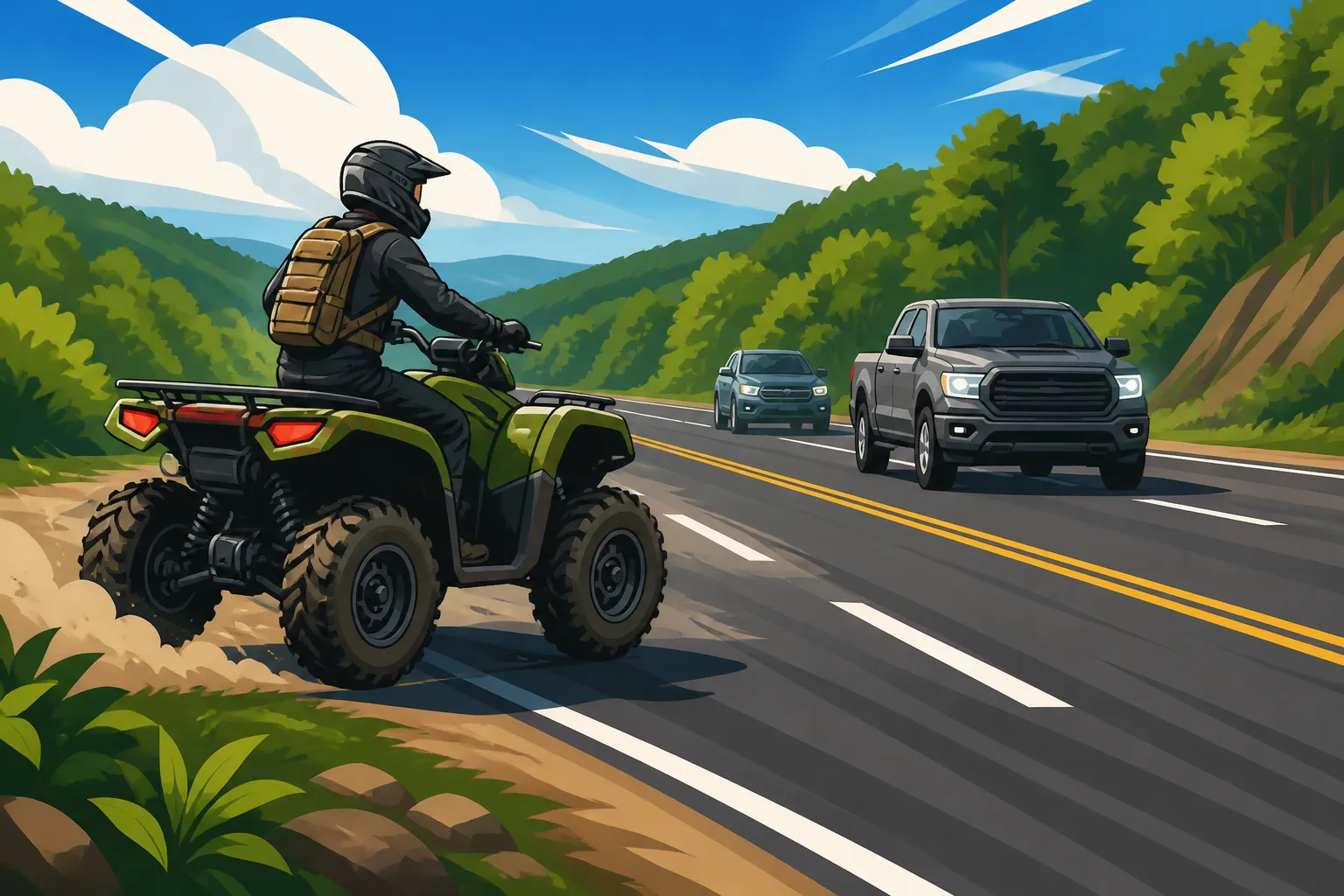
It's a familiar scenario for many of us who love to ride the trails and backroads of West Virginia: you're having a blast, exploring new routes, and suddenly, you hit a main artery, a four-lane highway standing between you and the next section of adventure. That sudden jolt of anxiety or confusion about how to legally and safely cross such a busy thoroughfare is real. This guide is all about navigating those intimidating four-lane crossings with your quad or side-by-side, diving deep into West Virginia's rules, practical safety steps, and what you need to know to make your ride as smooth and worry-free as possible.
Understanding West Virginia's Road Rules for ATVs
Navigating West Virginia's roads on an ATV or UTV can feel like a maze sometimes. We all want to get from point A to point B, especially when there's an amazing trail waiting on the other side of a major road. But the rules for ATVs on public roads, particularly busy four-lane highways, are strict and for very good reason: safety. Let's break down the foundational knowledge you need before you even think about putting tires on that pavement.
The Basics: What Kinds of Roads Can You Even Ride On?
First off, let's be crystal clear: you generally cannot just ride your quad or side-by-side freely on most public roads in West Virginia. Interstates are an absolute no-go, and many state and U.S. routes are also off-limits. The rules were primarily designed to allow limited access for machines on secondary roads, often to connect trail sections or access services in designated trail towns. We're talking about those specific situations where you might ride for a short distance, typically under the "10-mile, 25 mph" rule for non-street-legal machines. This rule, designed for connecting trail segments, is pretty restrictive and usually applies to lower-speed, two-lane roads. [West Virginia's 10-Mile, 25 mph Road Rule]
The frustration comes when your planned route unexpectedly forces you to interact with a much larger road. Even if a road is generally rideable for a short stretch, a multi-lane highway presents an entirely different set of challenges. It's not just about what's legal, but what's genuinely safe. Your quad, while a blast on the trails, is small, exposed, and not designed for the high-speed traffic and complex merges of a four-lane environment. This inherent vulnerability is a big reason why prolonged travel on such roads is almost universally prohibited.
The "Centerline" Rule and Its Impact on Four-Lane Crossings
You might have heard about West Virginia's "no centerline" rule, which allows certain ATV use on roads without painted centerlines, typically smaller county or rural roads. This rule is often misunderstood when it comes to larger highways. The reality is that any four-lane highway, by its very nature and design, always has some form of a centerline or a median, whether it's painted, grass, or concrete. This immediately distinguishes it from the type of road where the "no centerline" rule would apply. Therefore, you cannot simply ride on a four-lane highway under that specific provision.
The primary concern when dealing with a four-lane highway isn't prolonged travel on it, but rather the act of crossing it. Even if your intention is just to get from one side to the other, the presence of multiple lanes of high-speed traffic, often divided by a median, means you're entering a very high-risk environment. The regulations are designed to prevent ATVs from becoming a hazard to themselves and others on these faster, higher-volume roads. While some areas might have specific, marked crossings, generally, a four-lane highway represents a significant legal and safety barrier to unrestricted ATV movement. [West Virginia's 20-Mile Centerline Limit for an SPV]
Street-Legal SPVs: A Different Ballgame, But Still Cautious
For those who've gone the extra mile to make their side-by-side a Special Purpose Vehicle (SPV) in West Virginia, you do have more freedom on public roads. An SPV plate essentially makes your machine street-legal, allowing you to operate it much like any other registered vehicle on most public roads, with some exceptions like interstates. This means that, in theory, an SPV could traverse a four-lane highway. [West Virginia's Street-Legal Special Purpose Vehicle Plate]
However, even with an SPV plate, exercising extreme caution when facing a four-lane highway is paramount. The legality changes, but the physics of being a smaller, lighter, and more exposed vehicle surrounded by cars and trucks traveling at highway speeds do not. Traffic volume, blind spots, and the sheer speed differential between your machine and other vehicles remain significant risks. Just because it's technically allowed doesn't mean it's without danger, and you should approach such crossings with the utmost care, regardless of your vehicle's legal status. The goal is always to ride another day, and sometimes that means choosing discretion over strict adherence to newfound legal privileges.
The Art of a Safe Four-Lane Highway Crossing
So, you've hit that unavoidable four-lane highway. Even if your machine isn't a street-legal SPV, there might be moments where a quick, direct crossing is the only practical way to connect to a trail, a gas station, or a small town. When these situations arise, safety becomes your absolute top priority. This isn't about lengthy highway travel, which is generally prohibited and dangerous, but about executing a necessary, swift, and secure crossing.
Scouting Your Crossing Point: Not All Intersections Are Equal
Before you even get close to the highway, smart riders are thinking ahead. This involves pre-planning and, if possible, scouting your route on a map or even virtually before you leave home. You're looking for the safest possible point to cross. Avoid guessing or making impulsive decisions. Ideal crossing points are typically at designated intersections with traffic lights or clear stop signs that control the flow of vehicles. These give you a defined moment to enter and exit the roadway.
What you absolutely want to avoid are mid-block crossings, especially on divided highways where you'd be crossing lanes of traffic without any signalization or clear break. Always look for areas with excellent sightlines in both directions, free from blind curves, hill crests, or heavy foliage that could obscure your view or make it harder for other drivers to see you. Utilize mapping applications, perhaps even ones designed for off-roading like [onX Offroad for West Virginia Trails], to get a bird's-eye view of potential crossing points and plan your approach carefully. Remember, the less time you spend on that high-speed pavement, the better.
Timing Is Everything: Picking Your Moment
Once you've identified a safe crossing point, the next critical step is patience and timing. This is not the moment to rush. Traffic volume can vary wildly depending on the day of the week, the time of day, and even local events. Weekdays during rush hour are generally the worst times to attempt any highway crossing. If possible, plan your ride to avoid these peak traffic times. Early mornings, late afternoons (outside of traditional commute times), or certain hours on weekends might offer lighter traffic.
When you arrive at your chosen crossing point, take your time. Come to a complete stop, look left, then right, then left again. Even on a divided highway where you might only be crossing one direction of traffic at a time, it's wise to be aware of the full flow. You're looking for a substantial, undeniable gap in traffic, not just a small window you think you can squeeze into. Remember, your machine accelerates differently than a car, and you don't have the same protective shell. Wait for a moment when you can cross all lanes and reach the median or the other side safely and without feeling pressured. If you're riding with a group, communicate clearly and cross one machine at a time, ensuring everyone has a clear path.
Equipment and Visibility: Being Seen is Being Safe
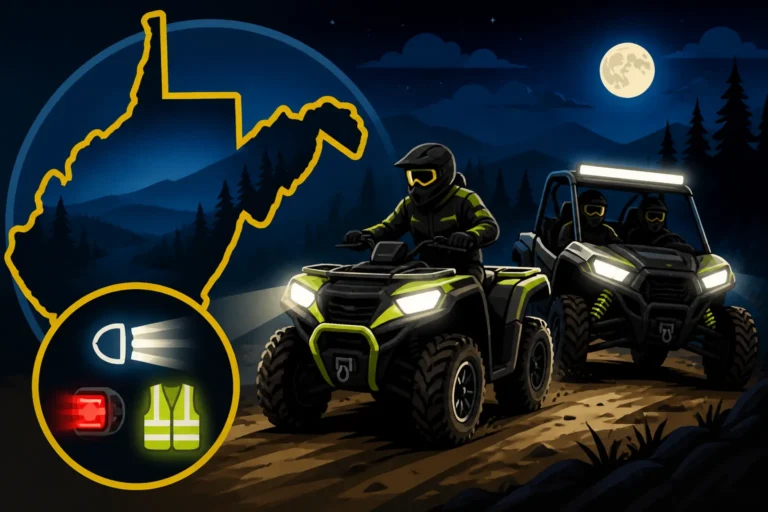
On a highway, even for a brief crossing, your visibility is your lifeline. Don't underestimate how difficult it can be for drivers of larger vehicles, especially trucks, to see a smaller ATV or UTV. Ensure all your lights are functioning perfectly: headlights, taillights, and brake lights. If your machine has turn signals, use them. If not, practice clear and decisive hand signals. Aftermarket lighting from reputable brands like SuperATV can significantly enhance your visibility, especially in low-light conditions.
Beyond your machine's lighting, personal visibility gear is crucial. Wear brightly colored clothing, preferably fluorescent or neon colors, which stand out even in daylight. Reflective tape on your helmet, clothing, and even your machine can be a huge benefit, particularly if your crossing is near dawn, dusk, or in adverse weather. Consider mounting a tall, brightly colored whip flag on your machine. These flags significantly increase your profile and make you more noticeable to drivers, especially for smaller quads that can disappear in traffic. And, of course, always wear your helmet and other protective gear. It's the most basic layer of defense in any riding scenario, but absolutely non-negotiable when interacting with public roads. [West Virginia Helmet Rules for Riders Under 18]
Legalities and Penalties: What You Risk
Riding an ATV on public roads, especially major highways, carries significant risks beyond just physical safety. West Virginia has specific laws governing ATV use on roads, and violating them can lead to serious legal and financial consequences. It's not just about avoiding a ticket; it's about understanding the "why" behind these rules and protecting your ability to enjoy the trails you love.
The "Why" Behind the Restrictions: Safety First
Let's face it: ATVs and UTVs are fantastic machines for off-road adventure, but they're fundamentally different from cars and trucks. They typically have a lower top speed, different braking characteristics, and offer far less protection to the operator in a collision. When you introduce a slow-moving, unprotected vehicle into a stream of high-speed highway traffic, you create a recipe for disaster. The speed differential alone is a major hazard; a car traveling at 65 mph closing in on a quad moving at 25 mph has very little time to react if the ATV suddenly moves or slows.
Drivers of cars and trucks aren't expecting an ATV on a major highway. This lack of expectation can lead to delayed reactions, blind spots becoming even more dangerous, and general confusion on the part of other motorists. The laws restricting ATV use on these roads are primarily designed to mitigate these inherent dangers, protecting both ATV riders and other road users. It's not about making things difficult for riders; it's about preventing tragic accidents that could stem from incompatible vehicle types sharing high-speed environments.
Potential Citations and Fines
Ignoring West Virginia's road use laws for ATVs can lead to direct and immediate penalties. If a law enforcement officer observes you operating an ATV illegally on a four-lane highway, you could face significant fines for illegal operation. These citations can vary depending on the specific statute violated, but they can quickly add up. Beyond monetary penalties, an officer might have the authority to impound your machine, leaving you stranded and facing additional towing and storage fees. [West Virginia Penalties for an Untitled ATV]
Furthermore, repeated violations or particularly egregious acts of illegal road use, such as reckless driving on a highway, could have longer-term consequences. In some cases, such actions might lead to suspension of driving privileges or even impact your ability to access managed trail systems. Many trail systems, including the Hatfield-McCoy Trails, have rules about safe and responsible riding, and persistent disregard for road laws could be seen as an indicator of unsafe riding practices. [Losing West Virginia Trail Access After a Citation] It's always best to understand and respect the boundaries of where your machine can legally and safely go.
Insurance Implications for Road Incidents
This is a critical, and often overlooked, aspect of illegal road use. Your standard ATV insurance policy is designed to cover your machine and liability while operating it legally, primarily on trails, private property, or designated public access roads. If you're involved in an accident while operating your ATV illegally on a prohibited four-lane highway, your insurance provider might deny coverage. This could leave you personally responsible for thousands, or even hundreds of thousands, of dollars in damages, medical bills, and legal fees.
Imagine being in a collision with a passenger vehicle on a highway where your ATV shouldn't have been. Your insurance company could argue that you were operating outside the terms of your policy, leaving you to foot the bill for vehicle repairs, any injuries you sustained, and potentially the damage and injuries to the other vehicle's occupants. For street-legal SPVs, the situation is different as they are generally insured for road use, but even then, reckless operation could lead to issues. It's absolutely crucial to review your ATV insurance policy and understand its limitations, especially concerning public road use. Don't assume you're covered if you're breaking the law. [West Virginia ATV Insurance and When You Need It]
Alternatives to Direct Four-Lane Crossings
Sometimes, the smartest and safest way to deal with a four-lane highway isn't to cross it at all. While the thrill of riding can make us eager to push forward, a little foresight and planning can save you from legal trouble, potential accidents, and a whole lot of stress. There are almost always better options than a risky dash across high-speed traffic.
Seek Out Designated Trail Connectors and Overpasses
West Virginia's incredible trail networks, particularly the Hatfield-McCoy Trails, are continually expanding and improving to make riding more seamless and safer. A significant part of this effort involves creating designated trail connectors, overpasses, and underpasses that allow riders to safely bypass or cross major roadways without directly entering the flow of high-speed traffic. When planning your route, actively look for these features.
Many trail towns have specific ATV-friendly routes that utilize bridges or tunnels, or even designated, well-marked crossing points at controlled intersections specifically designed for off-road vehicles. These are your best friends when a four-lane highway appears on your path. Consulting up-to-date trail maps or asking locals and rental shops in trail towns can help you identify these safe bypasses. The extra few minutes it might take to find and use one of these connectors is a small price to pay for your safety and peace of mind. [West Virginia Trail Connectors Cross a Public Road]
Trailer Up for the Gap
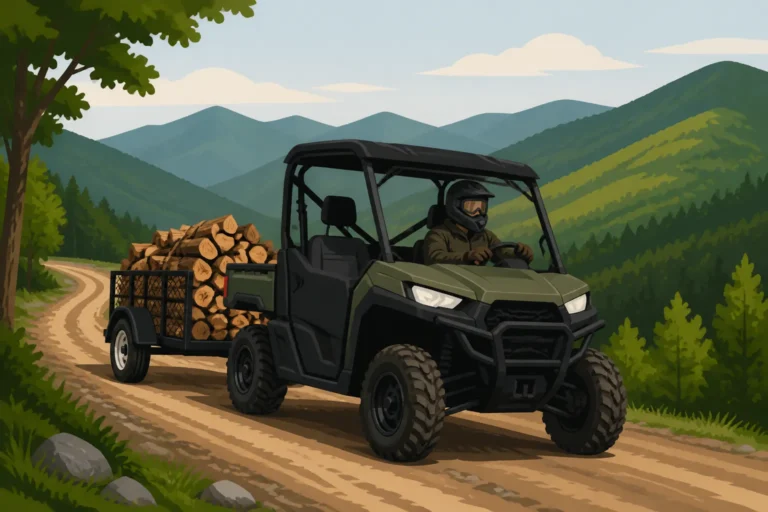
This might seem like a hassle, but for certain stretches, especially those involving intimidating four-lane highways, trailering your machine for a short distance is often the most sensible, legal, and safest choice. If you're encountering a major highway that has no safe or legal crossing points, or if traffic is simply too dense for a comfortable crossing, consider loading your quad onto a trailer, driving it a few miles down the road, and then unloading it on the other side.
Think of it as a strategic portage. Yes, it takes a few minutes to strap your machine down, drive, and then unload, but it completely eliminates the risks associated with navigating high-speed traffic on an exposed ATV. It also keeps you squarely within the bounds of the law, protecting you from fines and insurance headaches. Make sure your trailer is properly registered and equipped for the road, including lights and appropriate tie-downs to secure your machine. [Do You Need a Trailer Title in West Virginia?] This option might not be as spontaneous as just riding, but it's a responsible choice that ensures you get to keep riding another day.
Plan Your Route to Avoid Highway Crossings Altogether
The ultimate strategy for dealing with four-lane highways is to simply avoid them. Before you embark on your ride, spend some quality time with maps and digital routing tools. Look for alternative routes that utilize less-trafficked county roads, forest service roads, or other designated ATV-legal pathways that steer clear of major arteries entirely.
West Virginia is crisscrossed with thousands of miles of secondary roads and trails, offering a wealth of options for creative route planning. Sometimes, a slightly longer route on a less-trafficked road is far more enjoyable and significantly safer than a direct path that forces you onto a dangerous highway. By diligently planning your adventure, you can often find ways to link trails and towns that minimize or completely eliminate the need to interact with high-speed, multi-lane roads. This proactive approach ensures a smoother, more relaxed, and ultimately safer riding experience. [West Virginia Rules for Riding a County Route]
| Road Type | Legal Riding (Non-SPV) | Legal Riding (SPV) | Safety Considerations | Crossing Feasibility (General) |
|---|---|---|---|---|
| Two-Lane, No Centerline | Generally allowed (10-mile, 25 mph rule) | Generally allowed | Low traffic, lower speeds, higher visibility. | High, with caution. |
| Two-Lane, With Centerline | Limited (crossing only, specific rules) | Generally allowed | Moderate traffic, varying speeds, good visibility. | Moderate, at controlled intersections. |
| Four-Lane, Divided | Generally PROHIBITED (crossing only if explicit path) | Generally allowed | High traffic, high speeds, driver inattention, median. | Low, extremely high risk without designated crossing. |
| Four-Lane, Undivided | Generally PROHIBITED (crossing only if explicit path) | Generally allowed | High traffic, high speeds, multiple lanes to cross. | Very Low, extremely high risk without designated crossing. |
| Interstate Highways | ABSOLUTELY PROHIBITED | ABSOLUTELY PROHIBITED | Extremely high speed, very high traffic, merge lanes. | Not applicable. |
Disclaimer
This article is for general informational purposes only and does not constitute professional advice. Laws, prices and regulations vary by location and change over time. Consult a qualified professional for guidance on your specific situation.