Mullens and Pineville ATV Street Access
Oh, the open road – or, should I say, the open street! For so many of us in the West Virginia ATV and UTV community, the dream isn't just about conquering rugged trails; it's about the convenience and freedom of riding right from your lodging to grab a bite, fuel up, or simply cruise through a charming trail town. Mullens and Pineville are two such spots that draw riders, and understanding how to legally access their streets with your machine is key to a hassle-free adventure. This guide is all about demystifying those rules, so you can enjoy every bit of your mountain state experience.
Why Mullens and Pineville Matter to ATV Riders
When you think of West Virginia’s legendary off-road riding, the Hatfield-McCoy Trails are probably the first thing that comes to mind, and for good reason! These trail systems are a national treasure for riders, and towns like Mullens and Pineville play a crucial role in the entire experience. They're not just dots on a map; they're vital hubs that welcome riders with open arms, offering everything from lodging and restaurants to gas stations and local shops.
For many, arriving at a trail town after a long day of riding means the convenience of parking your machine and walking a few steps to dinner or a store. But what about getting there, or just cruising around town on your side-by-side? That’s where the confusion often begins. Riders want to know if they can truly use their ATV or UTV as a mode of transportation within these communities, connecting directly to the trailheads or accessing amenities without having to load up a truck and trailer. The answer isn't always a simple "yes" or "no," as it involves understanding both statewide laws and local ordinances.
These communities thrive on ATV and UTV tourism. They understand that for many visitors, the ability to operate their machine legally on certain town streets enhances the overall experience and encourages them to spend more time and money locally. This symbiotic relationship between riders and trail towns is what makes places like Mullens and Pineville so special. They are part of the larger network that makes West Virginia a premier destination for off-road enthusiasts, and knowing the rules helps keep that relationship strong and enjoyable for everyone.
Mullens as an ATV-Friendly Hub
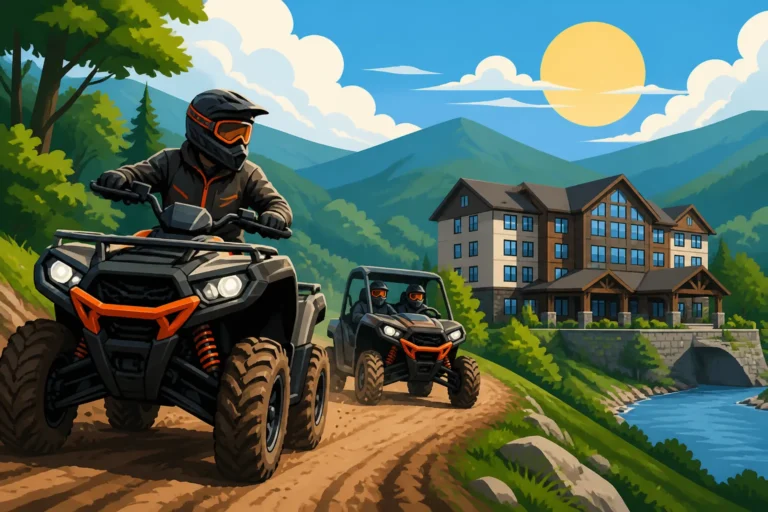
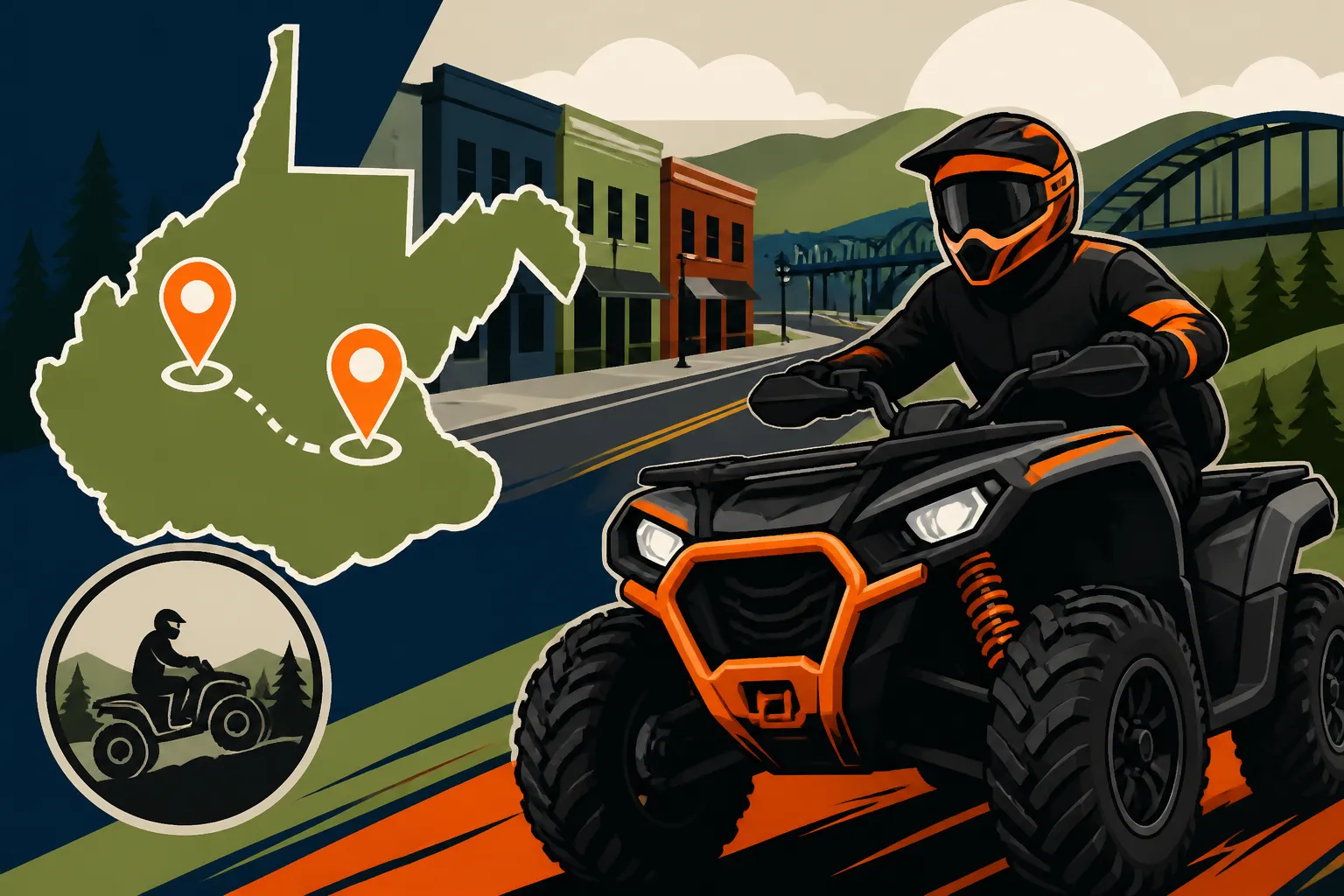
Mullens, nestled in Wyoming County, is one of those classic West Virginia trail towns that has embraced the off-road culture. It's a gateway town for the [Pinnacle Creek Trail System], offering riders direct access to some of the most exciting trails in the Hatfield-McCoy network. Imagine rolling off the trail and right into town to enjoy a meal or restock your supplies – it’s a huge draw.
The town itself understands the economic boost that ATV and UTV riders bring, and as such, it has generally adopted policies to facilitate street access. This doesn't mean a free-for-all, however. Riders are still expected to adhere to state laws regarding equipment and operation, and specific local ordinances might dictate where and when you can ride. These details are important for a smooth visit.
Many riders choose Mullens as their base camp precisely because of its welcoming attitude and proximity to the trails. The ability to use your machine on certain town streets for practical purposes, like getting to a restaurant or convenience store, is a massive convenience that truly enhances the riding vacation. It means less time spent loading and unloading, and more time enjoying the unique atmosphere of a town built around the love of off-roading.
Pineville's Role in the Trail Network
Just a short drive from Mullens, Pineville also serves as a key access point for the [Pinnacle Creek Trail System], and it too has adapted to accommodate the influx of ATV and UTV enthusiasts. Like many trail towns in southern West Virginia, Pineville's local economy benefits significantly from riders, and the town works to ensure a positive experience for visitors.
Pineville's location makes it a strategic spot for riders exploring the broader Hatfield-McCoy network. It's not uncommon for riders to base themselves here and explore various segments of the trails, enjoying the hospitality the town offers. The question of street access in Pineville echoes that of Mullens: what are the specific rules that allow riders to legally traverse town roads?
These towns offer more than just trail access; they provide essential services that make multi-day trips possible and enjoyable. Knowing you can safely and legally navigate their streets on your machine adds a layer of comfort and freedom to your adventure. It's all part of the charm and appeal of riding in West Virginia, where the trails literally lead you to friendly faces and convenient stops.
West Virginia's Statewide Rules for ATV Road Access
Before we dive into the specifics of Mullens and Pineville, it's absolutely crucial to understand the statewide framework that governs ATV and UTV use on public roads in West Virginia. The Mountain State has evolved its laws over the years to try and balance the immense popularity of off-road riding with public safety and infrastructure concerns. This means there are specific limitations and requirements that apply across the board, even in the most ATV-friendly towns.
One of the most common misconceptions is that if a town says it's "ATV friendly," you can just ride your machine anywhere, any time, without any modifications. That's simply not true. West Virginia law distinguishes between limited road use for non-street-legal machines and more extensive use for those designated as "Street-Legal Special Purpose Vehicles" (SPVs). Most of what you'll be doing in trail towns will fall under one of these two categories, and knowing which one applies to your situation is your first step.
The intent behind these laws is to allow riders access to services and connect trail systems while minimizing conflicts with traditional vehicle traffic. It’s a delicate balance, and riders play a vital role in upholding these rules to ensure continued access and positive relationships with local communities. Ignoring them not only puts you at risk of a ticket but could jeopardize future access for everyone.
The 10-Mile, 25 mph Rule for Trail Connections
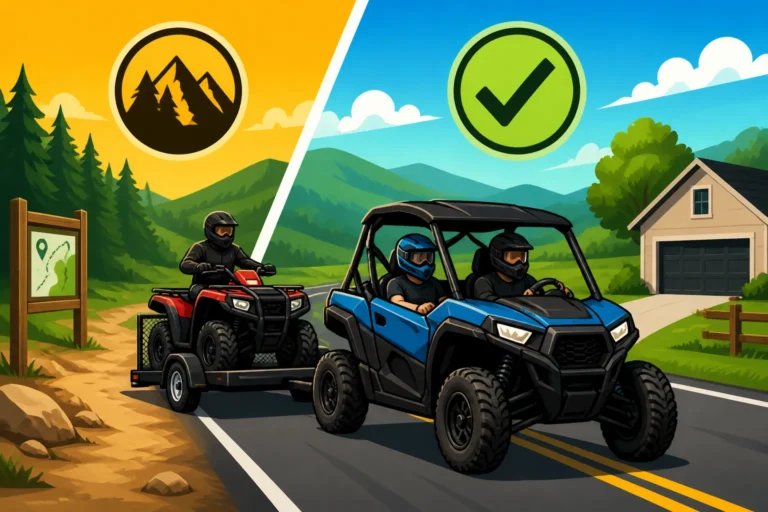
For ATVs and UTVs that are not converted to be fully street-legal Special Purpose Vehicles, West Virginia law still provides a limited exception for road use. This is often referred to as the "10-mile, 25 mph rule," and it's specifically designed to help riders connect between trail sections or access services from nearby lodging without having to trailer their machines.
Under this rule, you can legally operate an ATV or UTV on a public road if:
- You are traveling from an authorized off-highway vehicle trail to another authorized off-highway vehicle trail.
- You are traveling from an authorized off-highway vehicle trail to a lodging facility, food establishment, or fuel station, or vice-versa.
- The road segment is not a divided highway or interstate.
- The maximum distance traveled on any single segment of road does not exceed 10 miles.
- Your speed does not exceed 25 miles per hour.
- You are operating during daylight hours only.
- You have a valid driver's license.
- Your machine is equipped with working headlights, taillights, and brake lights, and you wear a helmet and eye protection.
This rule is a lifesaver for many riders traversing areas around Mullens and Pineville, allowing them to bridge those crucial gaps. However, it's not permission to joyride through town. It's a very specific, limited use, and adherence to all conditions, especially the speed and distance limits, is strictly enforced. Think of it as a tool for transition, not an invitation for general street cruising. [West Virginia's 10-Mile, 25 mph Road Rule] is truly critical to understand for anyone planning to ride in these areas.
Street-Legal Special Purpose Vehicle Designation
For those who want more freedom and flexibility on public roads, West Virginia offers the option to register your UTV (and certain other machines) as a "Street-Legal Special Purpose Vehicle" or SPV. This is a much more involved process than simply adhering to the 10-mile rule, as it requires specific modifications and adherence to a whole host of equipment standards. An ATV or UTV registered as an SPV gains many of the rights of a traditional vehicle on public roads, with some notable exceptions.
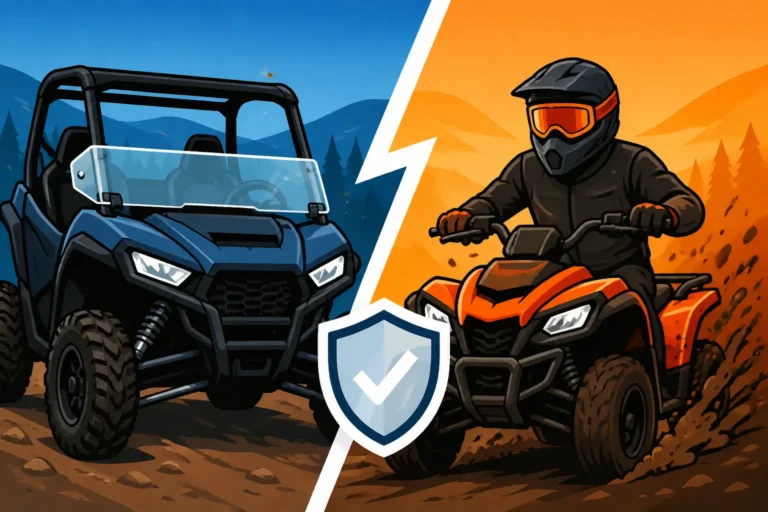
An SPV essentially bridges the gap between an off-road machine and a street-legal vehicle. It must meet certain equipment standards to be deemed safe for road use, including specific lighting, mirrors, a horn, and often a windshield and DOT-approved tires. Once properly equipped and titled as an SPV, you can generally operate it on most public roads in West Virginia, including within Mullens and Pineville, without the strict 10-mile, 25 mph limitations, though local speed limits still apply.
However, even SPVs have limitations. They are generally restricted from interstates and controlled-access highways, and some towns or counties might have their own specific ordinances that still limit SPV use on certain roads or during specific hours. Always check local rules, even if your machine is an SPV. Obtaining an SPV plate requires a careful review of state statutes and a visit to the DMV. You'll need to gather specific documents and ensure your machine passes inspection. [West Virginia's Street-Legal Special Purpose Vehicle Law] offers a deep dive into what this entails.
Making Your ATV or UTV Street Legal for Town Riding
So, you're ready to enjoy the convenience of riding your machine directly into Mullens or Pineville. That's fantastic! But before you hit the pavement, you need to ensure your ATV or UTV meets the legal requirements for road use in West Virginia. This isn't just about avoiding a ticket; it's about your safety and the safety of others on the road. The necessary modifications depend heavily on whether you're aiming for limited 10-mile access or full SPV designation.
For those just needing the 10-mile rule, the requirements are less stringent but still essential. You'll need working headlights, taillights, and brake lights, and you must wear a helmet and eye protection. That's the baseline. However, if you're pursuing the SPV plate for more extensive road use, the list expands significantly, demanding a serious commitment to modifications.
Many riders find the process of converting their machine daunting, but reputable aftermarket parts companies make it much easier. You can often find entire conversion kits designed to help your UTV meet the SPV standards. Investing in quality components from brands like SuperATV can save you headaches down the line, ensuring your modifications are durable and compliant.
Essential Equipment for SPV Conversion
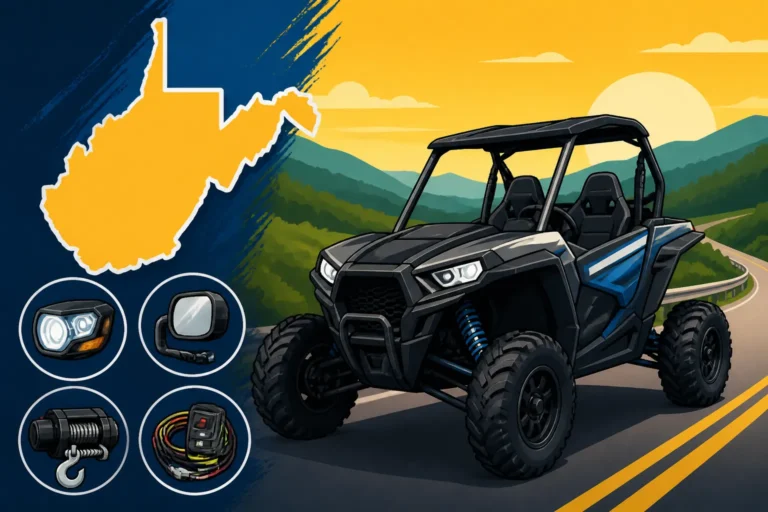
If you're going for the full Street-Legal Special Purpose Vehicle (SPV) designation, your machine needs to be equipped to a standard much closer to a car or motorcycle than a typical off-road vehicle. This means investing in a range of specific components that ensure visibility, signaling, and safety on public roads. It's a checklist you absolutely cannot skip.
Here's a rundown of common requirements for an SPV:
- Headlights, Taillights, and Brake Lights: These must be functional and meet state brightness and visibility standards. You'll need at least one headlight (often two for UTVs) and at least one taillight and brake light.
- Turn Signals: Both front and rear, indicating your intentions to other drivers. This is a major addition for many off-road machines.
- Horn: A working horn is necessary for alerting others to your presence.
- Mirrors: You'll typically need at least one rearview mirror, and often side mirrors, to provide adequate visibility of traffic behind you.
- Windshield: While some states allow goggles, West Virginia often requires a safety glass windshield for SPVs, or at least a durable, non-shattering material that provides protection.
- DOT-Approved Tires: Your off-road tires might be fantastic in the mud, but they might not be DOT-approved for highway speeds. You'll need tires specifically rated for street use.
- Seatbelts/Restraints: If your machine came with seatbelts, they must be functional. If not, they may be required for passengers.
- Spark Arrester: A functioning spark arrester is usually required to prevent wildfires.
- Muffler: An exhaust system that keeps noise levels within legal limits is essential.
Outfitting your machine can be a project, but companies like SuperATV offer comprehensive kits that bundle many of these items together, making the conversion process much simpler than sourcing each part individually. When you're looking into [Street-Legal Conversion Kit Prices], it's smart to consider these all-in-one solutions.
The Role of Aftermarket Parts and Kits
The aftermarket industry has truly stepped up to meet the demand for street-legal ATV and UTV conversions. You don't have to be an expert fabricator to make your machine compliant. Instead, you can rely on readily available parts and kits that are designed to integrate seamlessly with popular models. This is where researching your options becomes crucial.
For instance, adding turn signals might involve a wiring harness and specific lights. A good aftermarket kit will provide everything you need, often with detailed instructions, to ensure a professional and compliant installation. Similarly, finding [DOT Tires for a Street-Legal Side-by-Side] is a common step, and many manufacturers now produce tires specifically designed for the dual demands of off-road capability and on-road legality.
When choosing aftermarket parts, always prioritize quality and compliance. Don't skimp on essential safety items. Look for products that clearly state they meet DOT or other relevant standards. While the initial investment might seem significant, the peace of mind knowing your machine is safe and legal for town access in Mullens and Pineville is invaluable. Plus, good quality parts, like those from SuperATV, will stand up to the rigors of both trail and street use.
Navigating Mullens and Pineville Streets with Your Machine
Alright, you've done the work, your machine is compliant, and you're ready to roll into Mullens or Pineville. This is where the fun really begins! However, riding on town streets is a different beast than hitting the trails, and it comes with its own set of rules and etiquette. While these towns are welcoming, they are still active communities with other drivers, pedestrians, and residents who expect responsible behavior.
The key here is respect and awareness. You're sharing the road with cars, trucks, and even large commercial vehicles. Your ATV or UTV handles differently on pavement, especially at higher speeds, and you have a smaller footprint, which can make you less visible. Therefore, defensive riding is paramount. Always assume other drivers might not see you, and be prepared to react.
Beyond safety, consider the impact you have on the community. Loud exhausts, reckless driving, or disruptive behavior can quickly turn a welcoming town into one that might reconsider its ATV-friendly policies. Let's make sure our presence is a positive one!
Speed Limits and Parking Considerations
Once you're on the streets of Mullens or Pineville, obey all posted speed limits. While your machine might be capable of higher speeds, town speed limits are typically much lower for a reason. These limits are in place for safety, especially where there are homes, businesses, and pedestrians. Remember, if you're operating under the 10-mile rule, your speed is capped at 25 mph regardless of the posted limit. For SPVs, you follow the posted speed limit, just like any other vehicle.
Parking is another important consideration. Don't just pull over and block traffic or park on private property without permission. Look for designated parking areas if available, or use standard parking spots where an ATV or UTV can fit appropriately. Always be mindful of accessibility ramps, fire hydrants, and other municipal infrastructure. [Parking an ATV on a West Virginia Main Street] outlines some general best practices you'll want to follow.
It's tempting to think you can just pull up anywhere, but treating your machine like any other vehicle on the street, following parking signs, and not impeding traffic will go a long way in ensuring a positive experience for everyone. A little courtesy goes a long way in maintaining the good reputation of ATV riders in these trail towns.
Fueling Up and Local Etiquette
One of the greatest conveniences of legal street access in Mullens and Pineville is the ability to easily refuel your machine. No more hauling fuel cans or finding a gas station accessible by trailer. You can simply pull up to the pump like any other vehicle. Just be aware of other customers and give them space. Take care not to block pumps or create a bottleneck.
Beyond fueling, general etiquette dictates a lot about how riders are perceived. Keep noise levels down, especially in residential areas. Avoid excessive revving or reckless acceleration. Be courteous to pedestrians and other drivers. Wave to locals – a friendly gesture can make a big difference. These small actions contribute to the overall impression of ATV and UTV riders in these communities.
Remember that you are an ambassador for the entire riding community. A positive interaction can reinforce the town's welcoming stance, while negative behavior can unfortunately lead to stricter rules or resentment. Mullens and Pineville want you there, so let's show them we appreciate their hospitality. Consider stopping in at local shops and restaurants; supporting the businesses that support your passion is a great way to give back. [Fueling Up in a West Virginia ATV-Friendly Town] often requires common sense and courtesy.
Essential Paperwork for Street-Legal Riding in Mullens and Pineville
Having your machine properly equipped is only half the battle. Just like driving a car, operating an ATV or UTV on public roads in West Virginia, including in Mullens and Pineville, requires specific documentation. This isn't just bureaucratic red tape; it's about proving ownership, ensuring you're legally authorized to drive, and providing financial protection in case of an accident. Ignoring these requirements can lead to fines, your machine being impounded, or worse.
The exact paperwork needed will again depend on whether you're using the limited 10-mile rule or if you've gone through the process to obtain a Street-Legal Special Purpose Vehicle (SPV) title and registration. While the 10-mile rule doesn't require an SPV plate, it does still mandate a valid driver's license for the operator. For SPVs, you'll need all the bells and whistles, just like a car.
Always carry your relevant documents with you when riding on public roads. A small, waterproof pouch is a great investment for keeping your license, registration, and proof of insurance safe and accessible. If a law enforcement officer pulls you over, being able to readily provide this information will make the interaction much smoother.
Driver's License and Off-Road Safety Course
For any ATV or UTV operation on public roads in West Virginia, whether under the 10-mile rule or as an SPV, the operator must possess a valid driver's license. This isn't optional. It means that if you're a minor or don't have a valid license for traditional vehicles, you cannot legally operate an ATV or UTV on a public road in Mullens or Pineville. [Driver's License Rules for West Virginia Road Riding] are clear on this point.
While not always strictly required for adults using the 10-mile rule on public roads (especially if you're a nonresident coming from an authorized trail system), West Virginia strongly encourages all ATV and UTV riders to complete an approved off-road safety awareness course. For residents, this course is often mandatory for specific situations, like operating certain machines or for riders under a certain age. Even if not legally mandated for your specific scenario, taking a safety course can significantly improve your riding skills and awareness, making you a safer operator on both trails and streets.
It's worth checking the latest requirements with the West Virginia DMV, especially if you're a resident or have younger riders in your group who might be operating machines. Safety is always paramount, and proper training is a fundamental part of responsible riding.
Registration, Title, and Insurance
If your machine is registered as a Street-Legal Special Purpose Vehicle (SPV), you will need a valid West Virginia SPV registration and title. This is akin to registering a car or truck; it legally identifies your machine and proves ownership. The registration will typically be an annual renewal, and you'll receive a physical license plate to affix to your machine. [Registering a Street-Legal Special Purpose Vehicle in West Virginia] will walk you through the full process.
Crucially, for SPVs, you also need to carry proof of liability insurance. Just like any other registered vehicle on West Virginia roads, your SPV must be insured to cover potential damages or injuries in case of an accident. The minimum coverage limits are set by state law, and you should always check current figures with an insurance provider. It's not just a legal requirement; it's a critical financial safeguard. [West Virginia ATV Liability Coverage Limits] can vary, so stay informed.
For those operating under the limited 10-mile rule without an SPV plate, while specific SPV registration and insurance aren't required, you still need proof of ownership (like a title or bill of sale) for the machine. And though liability insurance isn't mandated for the 10-mile rule, it's always a wise investment. Imagine the financial headache if you cause an accident without coverage! Always assume some form of insurance is a good idea. Lastly, remember that any machine used on the Hatfield-McCoy Trails, regardless of street legality, requires a valid trail permit, which you can often purchase online or at local vendors. [West Virginia's Hatfield-McCoy Trail Permit Explained] covers everything you need to know about that.
Connecting Mullens and Pineville to the Hatfield-McCoy Trails
One of the primary reasons riders seek street access in Mullens and Pineville is the desire for seamless connectivity to the world-class Hatfield-McCoy Trail System. It's incredibly convenient to roll out of bed, hop on your machine, and drive directly to a trailhead without the hassle of loading and unloading a trailer. This direct connection truly maximizes your riding time and enhances the overall vacation experience.
Both Mullens and Pineville are official Hatfield-McCoy Trail towns, meaning they are designed to be rider-friendly and often have designated trail connectors that lead directly from town streets to the main trail system. This infrastructure is a huge draw and a testament to the communities' commitment to off-road tourism. However, even with direct connectors, understanding the boundaries and specific rules of egress and ingress is vital.
The goal is to provide a smooth transition from town amenities to the rugged beauty of the trails and back again. This connectivity is what makes these towns such popular base camps for multi-day riding adventures, allowing riders to explore vast sections of the [Pinnacle Creek Trail System] and beyond.
Designated Trail Connectors and Road Segments
Mullens and Pineville benefit from well-marked trail connectors that guide riders from various points within the towns directly to the Hatfield-McCoy Trails. These connectors are essentially specific road segments where ATV and UTV use is permitted for the purpose of accessing the trail system. They are part of the careful planning that integrates the trail experience with the local community.
It’s crucial to stick to these designated connectors. Don't venture off onto residential streets or private roads that aren't clearly marked as part of the trail system. These connectors are usually signed, making it clear where you can and cannot ride your machine to enter or exit the trails. When riding these segments, all applicable state and local road rules (speed limits, helmet use, etc.) still apply, even if you are only going a short distance.
Always consult current Hatfield-McCoy Trail maps and local signage when planning your route. These resources will show you exactly where the trail connectors are located and how they link up with the main trail system. This information is key to ensuring you stay on legal routes and avoid any inadvertent trespassing or infractions.
Planning Your Ride from Town to Trail
When you're planning a ride from your lodging in Mullens or Pineville to the Hatfield-McCoy Trails, think of it as a multi-stage journey. First, you'll be on town streets (adhering to either the 10-mile rule or SPV regulations). Then, you'll transition onto the designated trail connector, and finally, you'll be on the off-road trails themselves. Each stage has its own rules and considerations.
Make sure your machine is fueled up before you head out, and carry any necessary trail permits and emergency supplies. Although you might be starting directly from town, once you hit the trails, you could be miles from the nearest service or help. A good practice is to always let someone know your riding plans, including your intended route and expected return time.
The convenience of riding directly from town is a huge perk that enhances the West Virginia ATV experience. By understanding and respecting the rules for street access in places like Mullens and Pineville, you can enjoy this freedom to its fullest, making your next Hatfield-McCoy adventure even more memorable. Always ride responsibly, stay on designated paths, and enjoy all that these incredible trail towns have to offer!
Disclaimer
This article is for general informational purposes only and does not constitute professional advice. Laws, prices and regulations vary by location and change over time. Consult a qualified professional for guidance on your specific situation.