Riding a Narrow West Virginia Hollow Road on an ATV
Venturing out on your ATV or UTV in West Virginia is an experience like no other, but when you hit those charming, yet often unforgiving, narrow hollow roads, a whole new set of challenges and questions can arise. Many riders find themselves wondering if they're even allowed to be there, how to stay safe amidst tight turns and limited visibility, and what gear is truly essential for these unique routes. This comprehensive guide will walk you through everything you need to know to confidently and safely navigate West Virginia's narrow hollow roads on your ATV or UTV.
Understanding West Virginia's Road Rules for ATVs
West Virginia is renowned for its welcoming attitude toward ATV and UTV riders, but that doesn't mean it's a free-for-all when it comes to public roads. There are specific rules in place, and understanding them is your first step to a legal and enjoyable ride, especially on those often-secluded hollow roads.
The "10-Mile, 25 mph" Rule and Its Nuances
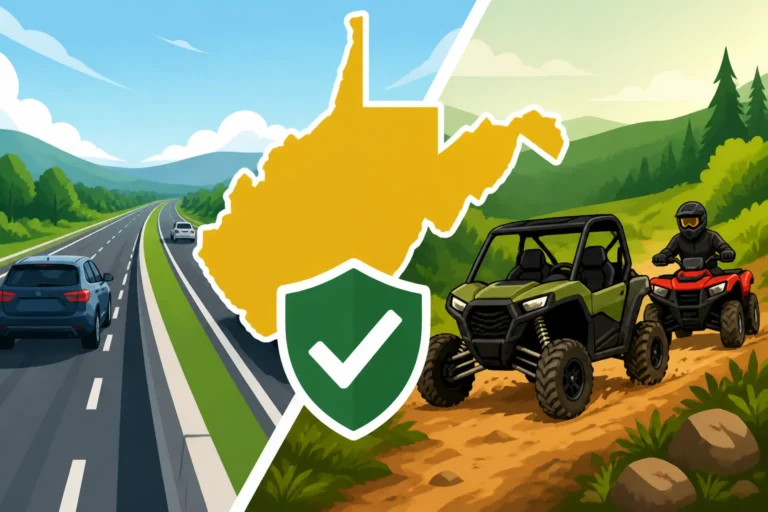
The most common question I hear from riders who want to take their machine from a trail system to a gas station, or just explore a bit, is about the "10-Mile, 25 mph" rule. This rule is a lifeline for many, but it comes with distinct boundaries. Essentially, if you're on an ATV or UTV that is not registered as a Street-Legal Special Purpose Vehicle (SPV), you are generally limited to riding on certain public roads for a maximum of ten miles, and your speed cannot exceed 25 mph. This is primarily designed for trail connectors or essential transit, not for extended joyrides on major roadways.
What often classifies a "hollow road" for the purpose of this rule? Typically, these are the smaller, often unpaved or poorly maintained county routes, secondary roads, or even private roads that are generally open to public access (like those leading to a few homes). They're rarely main arteries. The challenge isn't usually finding a hollow road within 10 miles, but figuring out how to measure that distance. It's usually measured from the point you access the public road from your private property or an approved trail, to the point you exit it. Keep in mind that continuous travel is usually implied; you can't typically ride 10 miles, turn around, and ride another 10 miles unless there's a legitimate reason for the second segment of your journey. Many riders get frustrated because this rule feels restrictive, especially when a store is just "a little further" down the road. It's crucial to know your route and respect these limits. You can learn more about this specific regulation in [West Virginia's 10-Mile, 25 mph Road Rule].
Roads With and Without a Center Line
Here's where things get a bit more complex, especially for those truly narrow, remote hollow roads. West Virginia law distinguishes between roads with a clearly marked center line and those without. For non-SPV ATVs and UTVs, you're generally permitted to ride on roads without a marked center line. This is a critical distinction because many of the hollow roads that wind through the mountains and valleys simply don't have painted lines down the middle. They're often just two narrow lanes, or even one, carved into the landscape.
Why does this distinction matter so much? Because it opens up a lot more territory for casual road riding. If a hollow road is unmarked, it's often fair game under the 10-mile, 25 mph rule. However, identifying these roads isn't always as simple as looking for paint. Some roads might have once had a faded line, or the designation might not be immediately obvious. When in doubt, it’s always best to assume a road does have a centerline unless you're absolutely sure it doesn't. The safety implications here are massive, as unmarked, narrow roads mean drivers often creep into the middle to avoid potholes or sharp turns, making head-on encounters more likely. Understanding this rule is vital for safe and legal travel on these specific routes. For a deeper dive, check out [West Virginia's Rule for Roads Without Center Lines].
Helmet, Eye Protection, and Driver's License Essentials
Regardless of whether you're on a trail or a public road, basic safety gear and licensing are non-negotiable in West Virginia. Every person operating or riding as a passenger on an ATV or UTV on a public road must wear an approved helmet. This isn't just a suggestion; it's the law, and it saves lives. Beyond the helmet, eye protection is also required. This could be goggles, a full face shield on your helmet, or even impact-resistant glasses, as long as they protect your eyes from debris, dust, and wind.
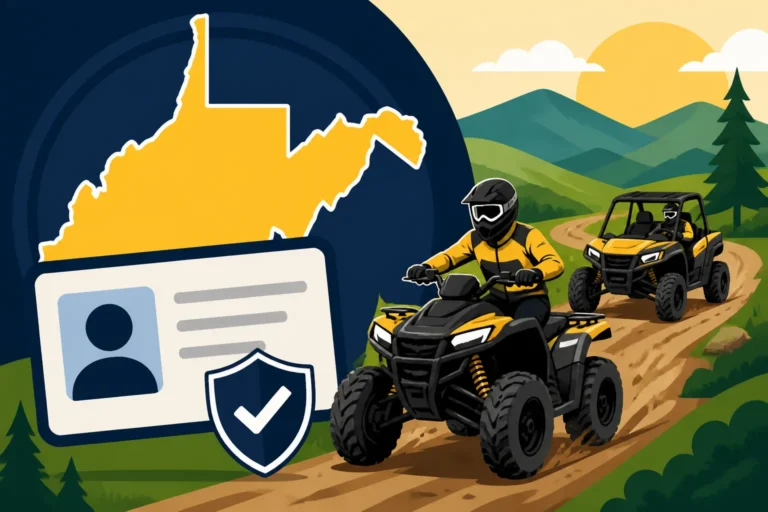
For the driver, you need a valid driver's license to operate an ATV or UTV on any public road in West Virginia. This means if you're under the age of eligibility for a driver's license, you cannot legally operate your machine on a public road, even if you meet the age requirements for trail riding. This often catches younger riders and their parents off guard, so it's critical to be aware. If you have passengers, especially minors, ensure they also meet all age and safety requirements. For specific age guidelines for young riders, see [West Virginia Helmet Rules for Riders Under 18], and for general licensing requirements, refer to [Driver's License Rules for West Virginia Road Riding]. These requirements are there for a reason, especially given the unpredictable nature of hollow roads.
Navigating the Unique Challenges of Hollow Roads
Riding on a West Virginia hollow road isn't like cruising a wide-open gravel path or a purpose-built trail. These roads present a distinct set of challenges that demand extra caution, skill, and a proactive approach to safety.
Limited Visibility and Blind Curves
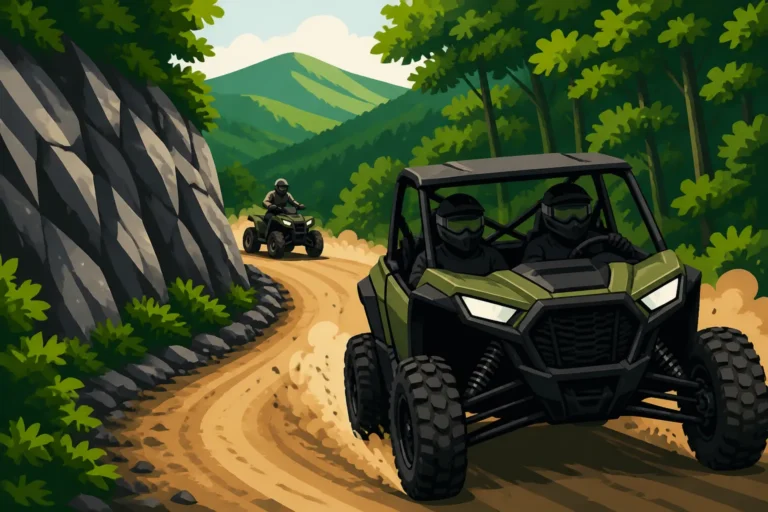
One of the biggest hazards on West Virginia's narrow hollow roads is the severely limited visibility. These roads often wind tightly around hillsides, through deep cuts, and under heavy tree canopy, creating frequent blind curves and dips. You might not see an oncoming vehicle—be it another ATV, a logging truck, or a local's pickup—until it's right on top of you. This is where the frustration can really set in; you just want to enjoy the scenery, but every turn demands your full attention.
To mitigate this, defensive riding is paramount. Slow down significantly before entering any blind curve. If possible, stick to the far right of your lane, even if it feels like you're hugging the ditch. Using your horn can be an incredibly effective, though often overlooked, safety measure. A quick, sharp blast as you approach a blind curve can alert oncoming traffic to your presence. Remember, the goal is to be seen and heard before a potential collision occurs. Imagine a tight curve where you're just about to crest a small rise, and suddenly, a coal truck is barreling down the other side. That's the scenario you're trying to avoid.
Sharing the Road with Other Vehicles (and Wildlife!)
Hollow roads, despite their often remote feel, are rarely deserted. You'll encounter a diverse range of traffic, from residents going about their daily lives to industrial vehicles like coal trucks, log haulers, and utility crews. These aren't the broad, forgiving highways you might be used to; on a narrow hollow road, there's often barely enough room for two passenger cars to pass, let alone an ATV and a massive truck. The sheer size difference between your machine and these larger vehicles creates a significant danger.
When you encounter larger vehicles, always yield the right of way. If necessary, pull over safely to the shoulder or find a small pull-off area to let them pass. Making eye contact with the driver can help ensure they've seen you. It's a common courtesy and a crucial safety practice. Beyond man-made traffic, wildlife is another constant companion on these roads. Deer, bears, wild turkeys, and even smaller critters can dart out from the dense woods with little warning. Be extra vigilant at dawn and dusk, which are prime times for animal activity. Hitting a deer on a paved road can be devastating; on an ATV, it's often catastrophic. Keep your speed in check, and be ready to react quickly.
Road Conditions: Potholes, Gravel, and Unexpected Debris
West Virginia's hollow roads, especially those in more rural areas, are subject to significant wear and tear from weather, heavy vehicles, and time. This means you can expect a constantly changing landscape of road conditions. Potholes can range from minor annoyances to rim-bending craters, often appearing suddenly after a harsh winter or heavy rain. Gravel surfaces can be loose and treacherous, especially on curves or descents, challenging your machine's traction. And then there's the debris: fallen branches, rocks, mudslides, or even unexpected items dropped from passing vehicles.
These varied conditions demand a machine equipped to handle them. Having robust, all-terrain tires is a major advantage. Brands like SuperATV offer tires designed for diverse terrain, providing better grip on loose gravel and more resistance to punctures from sharp rocks or debris. Always be scanning the road ahead for hazards, not just the ten feet in front of your machine. Adjust your speed accordingly; a section that looks clear might suddenly hide a cluster of deep potholes. Riding these roads is less about speed and more about maintaining control and anticipating what's next. It’s a constant dance between enjoying the ride and staying hyper-aware of your surroundings. Consider if you'd be comfortable with the condition for your [West Virginia ATV Road Riding Age Minimum] passenger.
Essential Gear and Safety Practices for Hollow Road Riding
Beyond understanding the rules and challenges, preparing your machine and yourself with the right gear and safety practices is non-negotiable for riding West Virginia's narrow hollow roads. Being well-equipped can be the difference between a minor inconvenience and a serious incident.
Machine Preparation: Lights, Horn, and Maintenance
Before you even think about hitting a public road, especially one as unpredictable as a hollow road, your ATV or UTV needs to be road-ready. This starts with ensuring all your lights are in perfect working order. Headlights (high and low beam), taillights, and brake lights are not just for night riding; they dramatically increase your visibility to other vehicles during the day, particularly in shaded hollows or during inclement weather. Imagine driving around a blind curve only to realize the oncoming ATV has no working headlights – it's a terrifying thought. A functioning horn is equally critical; it’s your primary tool for alerting others to your presence around blind corners or in tight spots.
Beyond lights and horn, a thorough pre-ride maintenance check is vital. Check your tire pressure, inspect your brakes, ensure your steering is tight, and confirm all fluids are at proper levels. A breakdown on a remote hollow road can leave you stranded, often without cell service. Carrying basic tools – like a tire plug kit, a small air compressor, and a basic wrench set – can save you a long walk. Think about a time you've had an unexpected issue on a trail; on a public road, the stakes are higher, and you're interacting with different types of traffic. Keeping your machine in top shape is an investment in your safety and peace of mind.
Personal Safety Gear Beyond the Helmet
While a DOT or Snell-approved helmet and eye protection are absolute legal requirements and your first line of defense, don't stop there. Other personal safety gear significantly enhances your protection and visibility on hollow roads. Brightly colored clothing, especially fluorescent or reflective materials, makes you much more visible to other drivers, particularly in the deep shadows of a hollow or during overcast conditions. Don't underestimate the challenge for a car driver to spot a camouflaged ATV against a green mountain backdrop.
Gloves offer protection from scrapes and blisters, improve grip, and can keep your hands warm or cool depending on the material. Sturdy, over-the-ankle boots protect your feet and ankles from impacts, debris, and provide better grip on the footpegs. If you're running a side-by-side, consider adding a SuperATV windshield, especially if you plan to do any significant road riding, to protect against wind, dust, and flung rocks. Dress in layers to adapt to West Virginia's often changing weather, ensuring you stay comfortable and focused on the ride, not on being too hot or cold.
Riding Etiquette and Emergency Preparedness
Being a responsible and safe rider on West Virginia's hollow roads extends beyond just following the law; it also means being a good neighbor and being prepared for anything. Many hollow roads are residential, meaning people live there. Keep your speed in check, especially near homes, and minimize excessive noise. Wave to locals you pass; a friendly gesture can go a long way in fostering good relationships between riders and residents. Respecting private property is also crucial; don't trespass or block driveways. This contributes to the overall positive image of ATV recreation in the state. If you are having issues with locals, you might encounter [West Virginia Sheriff Patrols in Trail Towns] so it's best to be respectful.
For emergency preparedness, always carry a fully charged cell phone, but don't rely on it entirely for navigation or communication, as service can be spotty in the hollows. A physical map or a downloaded offline map on a GPS device (like onX Offroad) can be a lifesaver. Pack a basic first-aid kit, plenty of water, and some high-energy snacks. Inform someone of your route and estimated return time. If you ride in a group, stick together and establish a plan for what to do if someone gets separated or has a breakdown. Remember, these roads can quickly become isolated, and self-reliance is key. You can review [West Virginia Trespass Rules Along Roads] to make sure you stay on the right side of the law.
When a Street-Legal SPV Plate Makes Sense
While the 10-mile, 25 mph rule offers some flexibility, many riders quickly find it too restrictive for true exploration or utility on West Virginia's roads. This is where the Street-Legal Special Purpose Vehicle (SPV) plate becomes a game-changer for UTV and even some ATV owners.
The Benefits of a West Virginia SPV Plate
Obtaining a West Virginia SPV plate for your UTV or ATV significantly expands your freedom and peace of mind on public roads. Unlike the standard restrictions, an SPV-plated machine can generally travel on any public road with a speed limit of 55 mph or less, as long as it has a center line. This means you’re not limited to just 10 miles or 25 mph. You can travel from your cabin directly to a trail system entrance, run into town for supplies, or simply explore miles of scenic backroads without constantly worrying about legal limits.
The biggest benefit is the reduced stress. You're no longer constantly glancing at your speedometer or odometer, wondering if you're about to exceed your allowed distance. This opens up vastly more territory for exploration and makes your machine a much more versatile tool for recreation and even light transportation. It truly transforms how you can use your UTV in the Mountain State. For a full rundown on what this plate entails, read [West Virginia's Street-Legal Special Purpose Vehicle Plate].
Equipment Requirements for SPV Conversion
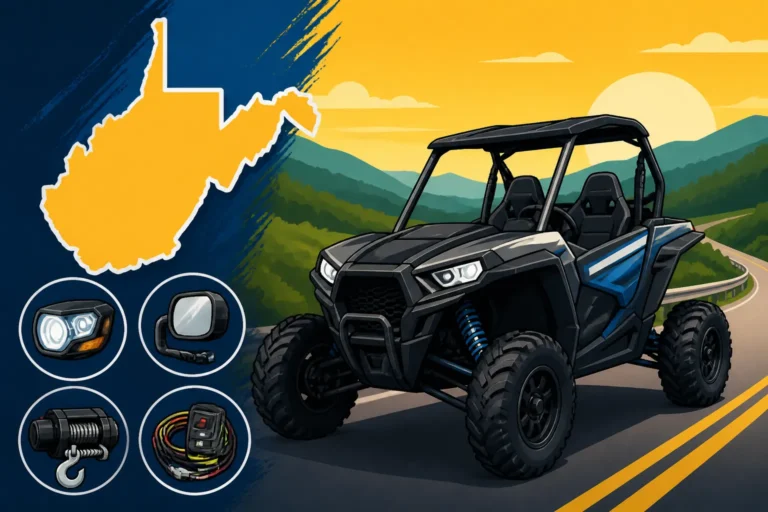
Converting your UTV or ATV to meet West Virginia's SPV requirements involves adding specific equipment to make it compliant with road safety standards. This isn't just a simple sticker; it's a full modification process. You'll need:
- Headlights and Taillights: Standard requirement, must be functional high/low beam.
- Brake Lights: Clearly visible.
- Turn Signals: Front and rear, amber in color. This is a common add-on.
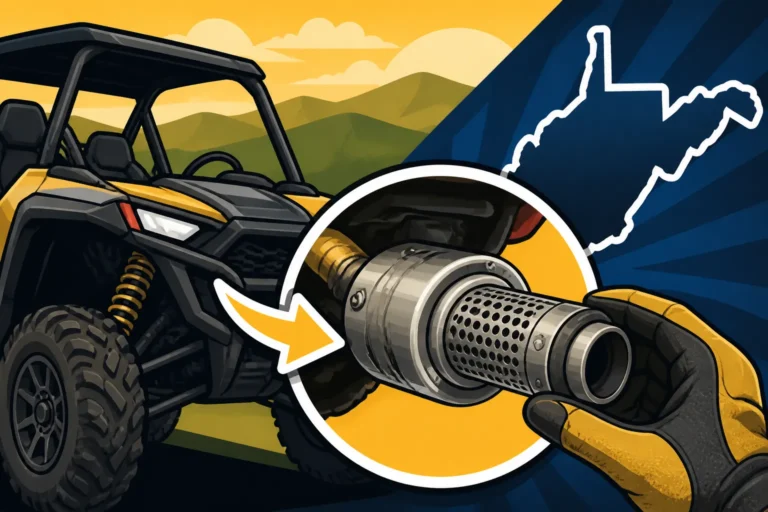
- Horn: Audible from at least 200 feet.
- Mirrors: At least one rear-view mirror, mounted to provide a clear view of the road behind. Many opt for side mirrors as well.
- Windshield: Must be safety glass or similar approved material.
- Wiper: If equipped with a windshield.
- DOT-Approved Tires: Your tires must be specifically rated for street use, such as those offered by SuperATV. Standard off-road tires, no matter how aggressive, usually won't cut it. Learn more about [DOT Tires for a Street-Legal Side-by-Side].
- Seatbelts/Restraints: Required for all occupants.
- VIN Plate: Clearly visible.
Many riders opt for complete conversion kits from aftermarket companies to ensure all components are compliant and integrate properly with their machine. After installation, your machine will need to pass an inspection, often conducted by a certified mechanic, to verify it meets all these requirements before you can apply for the SPV plate at the DMV. This can feel like a big investment, but for many, the freedom it grants is well worth the effort. Dive deeper into the specific equipment in [Equipment a West Virginia SPV Must Carry], and how to properly set up things like [Mirrors and Horns on a Street-Legal Build].
Understanding the "20-Mile Centerline" Rule for SPVs
Once your machine is legally equipped and sporting that coveted SPV plate, a different set of road rules comes into play compared to a standard, non-SPV ATV. Instead of the restrictive 10-mile, 25 mph rule, SPVs operate under what is often referred to as the "20-mile centerline" rule, though it's more accurately a rule about general road access.
A West Virginia SPV can travel on any public road or highway that has a posted speed limit of 55 mph or less and, crucially, is not a divided highway (like an interstate). While the "20-mile" figure isn't a strict distance limit like the old rule, it's often a reference to the expanded access SPVs have, allowing them to cross or travel for greater distances on roads with a marked centerline, including many state routes and county roads that non-SPVs can't touch. This effectively means most non-interstate roads in West Virginia are open game for SPVs. This expanded access significantly boosts the utility and recreational possibilities of your machine, turning many previously off-limits hollow roads into legitimate travel routes.
This freedom doesn't mean a license for reckless driving, however. All standard traffic laws apply, including speed limits, stop signs, and signals. While SPVs can tackle most public roads, riding on interstates or other divided highways remains prohibited. The point is, with an SPV plate, those narrow, winding hollow roads that might have been part of your 10-mile limit before, now become simply another part of the vast network of West Virginia roads you can legally explore. You can explore the specifics of this regulation in [West Virginia's 20-Mile Centerline Limit for an SPV].
| Feature | Standard ATV/UTV (non-SPV) on Roads | Street-Legal SPV on Roads |
|---|---|---|
| Road Type | Roads without a marked centerline | Most public roads with speed limit <= 55 mph (excluding divided highways) |
| Distance Limit | Up to 10 miles (for essential travel/connectors) | No specific distance limit |
| Speed Limit | Max 25 mph | Posted speed limit (up to 55 mph) |
| Driver's License | Required | Required |
| Helmet & Eye Protection | Required for all riders | Required for all riders |
| Insurance | Generally recommended, often required for trails | Required for road use (liability minimums) |
| Equipment | Basic lights, brakes (as per manufacturer) | Headlights, taillights, brake lights, turn signals, horn, mirrors, windshield, DOT tires, etc. |
| Inspection | Not typically required for road access | Required for initial SPV titling and registration |
Disclaimer
This article is for general informational purposes only and does not constitute professional advice. Laws, prices and regulations vary by location and change over time. Consult a qualified professional for guidance on your specific situation.