Blind Curves on a West Virginia Mountain Road
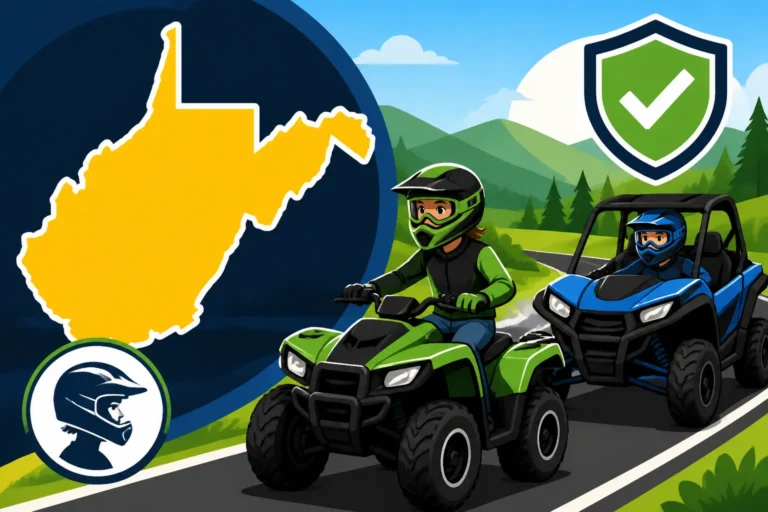
Riding the winding, beautiful mountain roads of West Virginia on your ATV or UTV can be an exhilarating experience, but it also comes with unique challenges, especially when you encounter those infamous blind curves. These unpredictable bends in the road hide what's coming, creating a genuine risk for riders, other vehicles, and even wildlife. This guide is here to walk you through the real dangers posed by blind curves on West Virginia's pavement and equip you with the knowledge and strategies to navigate them safely, ensuring your adventures remain thrilling, not terrifying.
Understanding the Unique Dangers of West Virginia's Blind Curves
West Virginia's landscape is defined by its rugged mountains and deep valleys, which translate into roads that are rarely straight or flat. While this topography provides breathtaking views and exciting rides, it inherently creates a higher number of blind curves compared to flatter regions. For ATV and UTV riders, these curves present a specific set of challenges that demand extra caution and proactive riding techniques.
Why Mountain Roads Create More Blind Spots
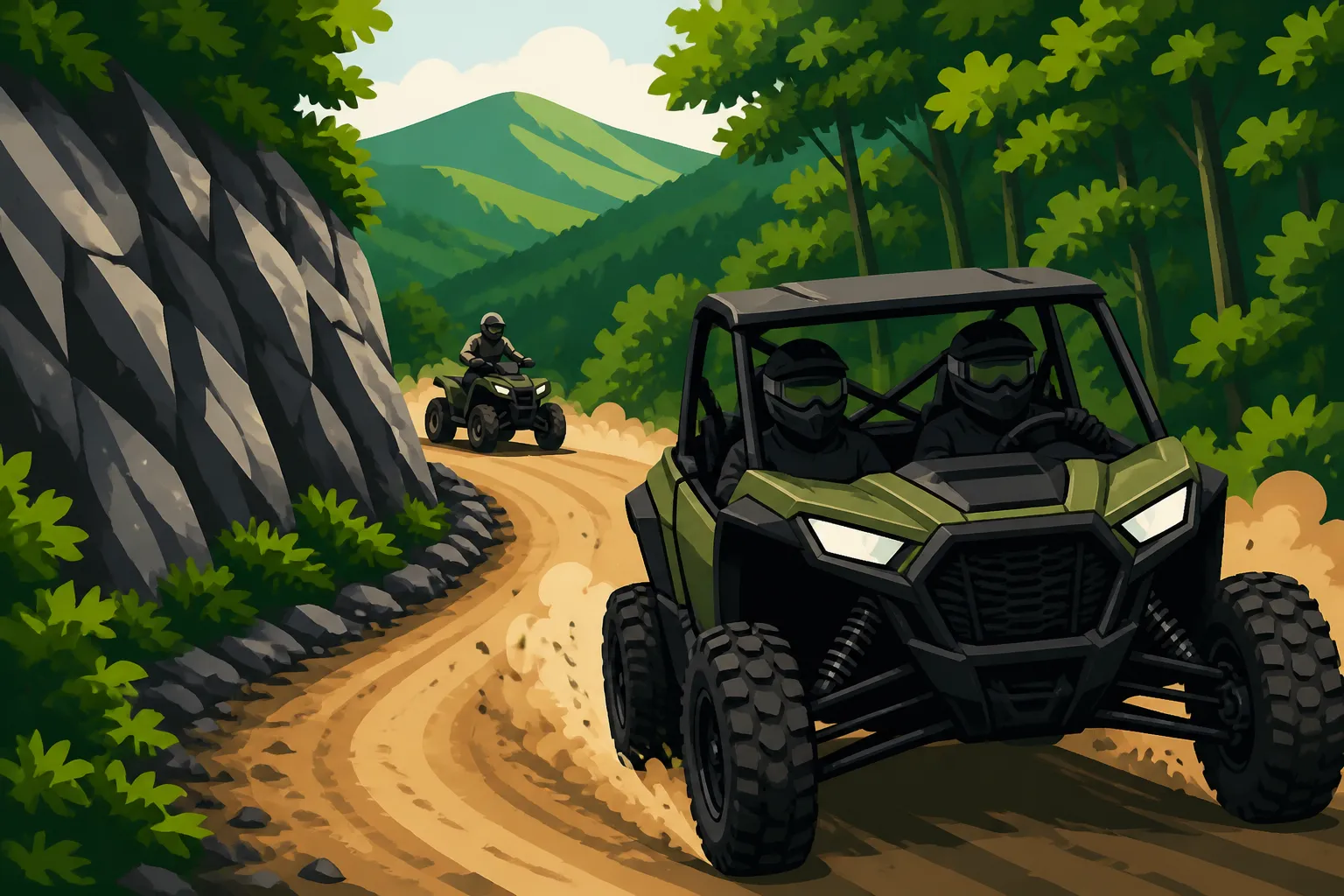
Mountain roads are engineered to follow the contours of the land, leading to frequent changes in elevation and direction. Unlike highways that cut straight through the landscape, secondary roads in West Virginia often hug hillsides, traverse narrow hollows, and wind around natural obstacles. This design means that corners are often tight, and visibility around them is severely limited by rock faces, dense foliage, or sharp inclines and declines. You might be approaching a curve that appears clear, only for the road to drop suddenly or for a rock outcrop to completely obscure the next 50 feet of pavement. This constant unpredictability means that what you can't see is often as important as what you can, forcing riders to anticipate potential hazards rather than just reacting to visible ones.
The Disadvantage of ATVs and UTVs on Pavement
While ATVs and UTVs are incredibly versatile off-road machines, their design often puts them at a disadvantage when transitioning to paved mountain roads. Many ATVs have a narrower stance and higher center of gravity compared to a car, making them less stable in sharp turns at higher speeds. UTVs, while wider, still handle differently than a conventional vehicle, particularly when it comes to steering response and braking distance on asphalt. Their knobby off-road tires, designed for grip on dirt and rocks, can have less traction on smooth, wet, or gravel-strewn pavement, especially in a sudden braking or steering maneuver. This reduced on-road performance means that reacting quickly to an unexpected obstacle or oncoming vehicle in a blind curve can be far more challenging, demanding greater skill and foresight from the rider. You also have to consider the fact that your machine might not be equipped with the same kind of safety features you'd find in a car, like crumple zones or multiple airbags, making any impact potentially more severe.
The Threat of Unexpected Oncoming Traffic
The biggest, most immediate danger lurking around a blind curve is the unexpected presence of other vehicles. On these narrower mountain roads, it's not uncommon to encounter logging trucks, delivery vans, local residents driving pickup trucks, or even other recreational vehicles. These vehicles might be traveling at higher speeds, taking the corner wide, or simply not expecting to see an ATV or UTV on the pavement. Imagine coming around a tight left-hand blind curve only to find a large truck already hugging the centerline, or worse, veering into your lane. The lack of warning time means you have only a fraction of a second to react. It's not just other vehicles either; you could encounter pedestrians, cyclists, or even wildlife like deer that frequently cross these rural roads. Because of this, every blind curve must be treated as if there's something waiting just out of sight that you need to avoid.
Essential Riding Strategies for Navigating Blind Curves
Navigating West Virginia's blind mountain curves safely on your ATV or UTV requires a disciplined approach to riding. It's about being proactive, not reactive, and constantly assessing the road conditions and potential hazards ahead. By adopting specific riding techniques, you can significantly reduce the risks associated with these unpredictable sections of pavement.
Master Your Lane Position and Line of Sight
One of the most effective strategies for blind curves is to optimize your lane position to maximize your line of sight. As you approach a blind right-hand curve, position your machine closer to the left side of your lane (without crossing the centerline, of course). This gives you a wider view around the bend, allowing you to see oncoming traffic or obstacles sooner. Conversely, for a blind left-hand curve, you'll want to be closer to the right side of your lane. This technique widens your visual arc and creates a buffer zone between your machine and any potential oncoming traffic that might be cutting the corner wide. Remember, your goal is to "see through" the curve as much as possible, gaining precious extra seconds to react. It's a fundamental principle of defensive riding, especially critical on roads where visibility is frequently compromised. [Riding the Right Edge of a West Virginia Road] discusses more about appropriate lane positioning.
The Importance of Speed Control and Braking Readiness
Speed is your enemy on blind curves. Entering a blind turn too fast leaves you with little time or space to react to hazards. Always reduce your speed significantly before entering a blind curve. This isn't just about slowing down; it's about being in a gear that allows for smooth acceleration out of the turn, but more importantly, being ready to brake effectively. Cover your brakes – meaning your fingers are on the levers or your foot is hovering over the pedal – so you can apply them instantly if needed. It's also wise to brake mostly before the curve, allowing you to maintain a steady throttle through the turn. This helps stabilize the machine and gives you more control. If you find yourself needing to brake hard mid-turn, especially on an ATV, it can upset the balance of your machine. The key is to enter slow, look ahead, and accelerate gently only when you can see the exit of the curve and confirm it's clear.
Signaling and Visibility to Other Drivers
Making sure other drivers see you is paramount, especially when you’re riding a smaller machine like an ATV or UTV on roads frequented by larger vehicles. Always use your turn signals well in advance, even if you think no one is behind you. This small action can alert oncoming traffic that you're about to turn, giving them a heads-up. Consider adding reflective tape to your machine or wearing brightly colored gear. While West Virginia has specific rules for street-legal machines, simply meeting the minimum requirements might not be enough for true safety. Brighter headlights and taillights, perhaps an LED whip flag (where legal and appropriate for road use), can make a significant difference. Remember, the goal is to stand out, especially against the backdrop of shaded mountain roads. [Equipment West Virginia Requires on a Road Ride] details the legal necessities, but think beyond just compliance for enhanced safety.
Equipping Your Machine for Safer Mountain Road Riding
While riding skill is paramount, the right equipment can also play a crucial role in enhancing your safety when navigating blind curves on West Virginia's mountain roads. Outfitting your ATV or UTV with certain upgrades and ensuring you have the proper personal protective gear can provide an extra layer of defense against the unpredictable nature of these winding routes.
Visibility Enhancements for Your ATV or UTV
Making your machine more visible to other drivers, especially around blind curves, is not just a good idea—it's essential. Beyond the standard headlights and taillights, consider investing in additional lighting. Brighter LED headlights can cut through shadows, and auxiliary light bars can provide a wider spread of light, helping you spot hazards further down the road, particularly if you're riding in the early morning or late evening. However, be mindful of local regulations regarding auxiliary lights on public roads. On the rear, brighter LED taillights and brake lights can grab the attention of following vehicles much more effectively than standard bulbs. Also, consider upgrading your mirrors. Wide-angle rearview mirrors can help you see more of what's behind and beside you, critical for understanding traffic flow as you prepare for a turn. Some riders even add side mirrors, even if their machine isn't a UTV, to improve situational awareness. For specific parts and accessories to boost visibility, you might explore options from reputable brands like SuperATV, which offers a wide range of lighting and mirror solutions tailored for off-road vehicles that sometimes venture onto pavement.
Upgrading Your Tires and Suspension for Pavement
While off-road tires excel on dirt, mud, and rocks, they can compromise handling and braking performance on paved surfaces, especially when encountering gravel or wet spots in a blind curve. If you frequently ride your ATV or UTV on public roads, consider a set of DOT-approved tires designed for mixed-use or street-specific applications. These tires offer better grip, longer wear, and more predictable handling on asphalt. [DOT Tires for a Street-Legal Side-by-Side] provides more insight into this. Similarly, your machine's suspension, typically optimized for absorbing harsh off-road impacts, might be too soft for stable road cornering. For those looking to enhance their vehicle's stability or suspension for road use, aftermarket components, readily available from retailers like SuperATV, can make a noticeable difference. Stiffer springs or upgraded shock absorbers can reduce body roll, improve steering response, and provide a more planted feel when leaning into turns, which is vital for maintaining control when a surprise lurks around the bend.
Essential Safety Gear for Riders
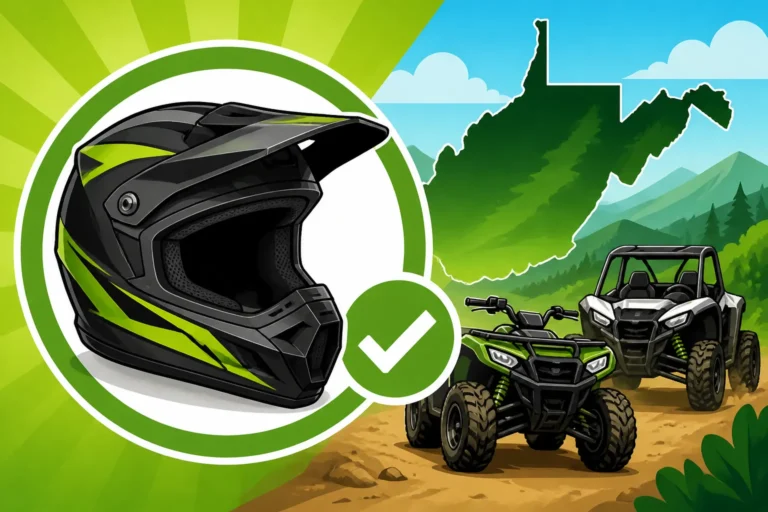
Your personal safety gear is your first line of defense in any riding scenario, and this is especially true when tackling blind curves on West Virginia's roads. A DOT-approved helmet is absolutely non-negotiable, providing crucial head protection in the event of a crash. [West Virginia Helmet Rules for Riders Under 18] highlights specific age-related requirements, but frankly, every rider should wear one. Eye protection, whether built into your helmet or separate goggles, is also critical to shield you from dust, debris, and glare, ensuring you maintain clear vision. Beyond the basics, consider durable riding jackets, pants, gloves, and sturdy over-the-ankle boots. These items offer abrasion resistance and impact protection that can prevent serious injuries. Wearing bright, high-visibility colors for your gear also makes you more noticeable to other drivers, adding another layer of passive safety that can literally save your life when rounding a blind curve.
Recognizing Common Blind Curve Scenarios and How to React
West Virginia's mountain roads present a variety of blind curve scenarios, each with its own nuances and potential hazards. Being able to quickly identify these situations and knowing how to react instinctively can make all the difference in maintaining safety. Developing this awareness comes with experience, but understanding common patterns is a great starting point.
Intersecting Blind Curves and Driveways
It's not uncommon for West Virginia's rural roads to feature multiple blind curves in quick succession, often with hidden driveways or small intersecting roads tucked away between them. You might be navigating one blind left turn only to immediately enter a blind right turn, with a private driveway completely obscured until you're right on top of it. The danger here is twofold: not only do you have the standard blind curve risks, but you also face the possibility of a vehicle pulling out from a hidden driveway or another road without warning. Always assume a vehicle could be emerging from any hidden access point. Maintain a conservative speed, scan continuously for any movement or light reflections that might indicate a vehicle, and be prepared to stop. If possible, avoid riding too close to the shoulder, as this is often where driveways connect, increasing your risk. This constant vigilance is key, especially in residential areas nestled into the hills.
Encountering Slow-Moving Vehicles or Obstacles
Around a blind curve, you might not just encounter fast-moving traffic; you could also come across slow-moving vehicles like farm tractors, maintenance trucks, or even pedestrians and cyclists. These obstacles can be almost impossible to spot until the last second. Additionally, hazards like fallen rocks, potholes, or patches of gravel can appear out of nowhere. The critical reaction here is to remain calm, avoid sudden swerving, and use your brakes smoothly and progressively. If you encounter a slow-moving vehicle, assess whether it's safe to pass once you have a clear line of sight, or simply follow patiently until the road straightens out and offers ample visibility. For unexpected obstacles, your controlled speed and readiness to brake will be your best defense. A swift, but controlled, reduction in speed and a gentle steering input, if safe, is usually the best course of action. Remember that your UTV or ATV, especially if it's street-legal under [West Virginia's Street-Legal Special Purpose Vehicle Law], still handles differently than a car, so give yourself extra space and time to maneuver.
The Impact of Weather and Road Conditions
Weather can dramatically amplify the dangers of blind curves. Rain, fog, or even morning dew can make paved roads slick, reducing tire traction and increasing stopping distances. [West Virginia Road Riding in Heavy Rain] discusses this in more detail. In foggy conditions, visibility is drastically cut, turning even a gentle curve into a perilous blind spot. After a heavy rain, debris like gravel, mud, or fallen branches can be washed onto the road, creating unexpected hazards that are impossible to see until you're right upon them in a curve. Always adjust your speed to conditions – if visibility is poor or the road is wet, slow down even further. Be extra cautious of shaded sections of the road, as these can remain damp or even icy long after other parts have dried. In winter, black ice on shaded mountain curves is a notorious killer. Before heading out, always check the weather forecast and consider the recent conditions. Sometimes, it's safer to postpone a road ride until conditions improve, especially if you know your route involves numerous blind, winding turns.
| Safety Practice | Description | Benefit | Risk of Ignoring |
|---|---|---|---|
| Optimal Lane Position | Hug the outside of your lane for right curves, inside for left curves. | Maximizes line of sight around the bend. | Delayed reaction to oncoming traffic/obstacles. |
| Pre-Curve Speed Reduction | Slow down significantly before entering the curve. | More time to react, better control over machine. | Loss of control, inability to stop for hazards. |
| Braking Readiness | Cover brakes with fingers/foot upon approach. | Instantaneous braking capability. | Lag in reaction time, increased stopping distance. |
| High Visibility Gear | Wear bright clothing, add reflective elements to machine. | Increases your detectability to other drivers. | Not being seen by vehicles rounding the curve. |
| Anticipate Hazards | Assume there's something around every blind bend. | Proactive safety mindset, ready for the unexpected. | Surprise encounters leading to panic reactions. |
| Regular Equipment Checks | Ensure tires, brakes, lights, and mirrors are in top condition. | Reliable machine performance when it counts most. | Equipment failure, reduced control or visibility. |
Disclaimer
This article is for general informational purposes only and does not constitute professional advice. Laws, prices and regulations vary by location and change over time. Consult a qualified professional for guidance on your specific situation.