Permit Stickers That Fall Off
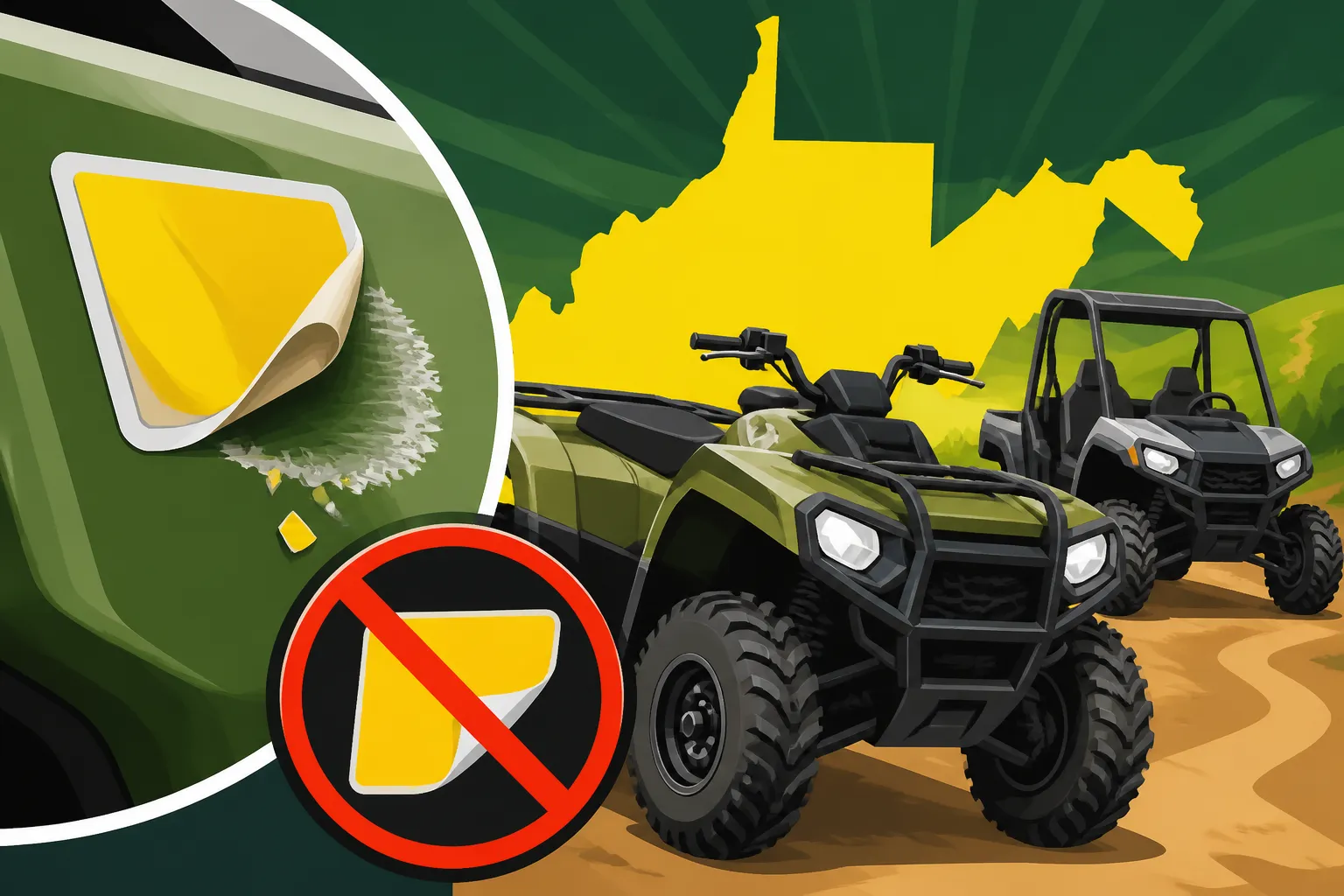
A Hatfield-McCoy permit sticker that peels off can turn a small equipment problem into uncertainty about whether you may keep riding. The safest response is to stop, secure the sticker and contact the trail authority or an authorized vendor before continuing. Here’s how to prevent a sticker from coming loose, what to do if it does, and why a photo or receipt may not be enough.
Why a permit sticker coming loose matters
A trail permit and its sticker are connected, but they may not serve the same purpose during a ride. The permit is your authorization to use the trail system; the sticker can help show that the machine is permitted. If the sticker falls off, gets damaged or is no longer visible, a ranger or other official may not be able to verify the machine as easily.
Don’t assume that a purchase confirmation, paper receipt or phone photo automatically replaces a missing sticker. Those records can help prove what you bought and explain what happened, but they may not satisfy the trail system’s display rules. Ask the trail authority what it accepts before riding again.
Rules and replacement procedures can change, so check the current instructions for your specific permit. West Virginia’s Hatfield-McCoy Trail Permit Explained covers what the permit is for, while Riding West Virginia Trails Without a Visible Permit explains why display matters on the trail.
A sticker can come loose for several reasons:
- The surface was dusty, muddy, oily or wet when it was applied.
- The sticker was placed on a curved, textured or flexible area.
- A removable panel was taken off, washed or replaced.
- Pressure washing, repeated scrubbing or trail debris lifted an edge.
- The sticker was exposed to water or temperature changes before its adhesive had settled.
- A protective layer, cleaner or coating prevented the adhesive from bonding.
Sometimes a sticker has only started to lift at one corner. That still deserves attention: dirt and water can work underneath the edge, and vibration can make a small lift worse. Don’t wait until the sticker disappears on the trail to decide what to do.
The practical distinction is whether the sticker is still securely attached and readable. If it is partly detached, folded, torn or missing, treat the display as uncertain. Stop somewhere safe, keep the sticker and any permit paperwork together, and contact an official source for instructions. Avoid continuing on the assumption that a sticker attached with tape or carried in a pocket will count.
Prevent the sticker from peeling off
The best time to prevent a lost sticker is before the ride. Read the instructions that came with the permit, including any placement directions. Stickers can differ, and a technique that works for one surface or permit may not be acceptable for another. For details focused on placement, see Mounting a Hatfield-McCoy Permit Sticker.
A careful application is usually more reliable than trying to reinforce the sticker afterward:
- Choose the location specified by the permit instructions. Use a spot that is visible, accessible for inspection and appropriate for the machine. Don’t choose a hidden area just because it is easier to protect from weather.
- Check the surface. A smooth, stable area is generally easier for an adhesive sticker than a deeply textured or sharply curved panel. If you’re unsure whether a surface is suitable, ask the permit provider before applying it.
- Clean and dry the area. Remove mud, dust, grease and residue using a method safe for the machine’s finish. Let the surface dry fully. Applying a sticker over even a thin film of dirt or water can weaken the bond.
- Apply it carefully. Follow the supplied instructions. Press it down evenly, including the edges, and avoid trapping folds or air pockets.
- Give it time to set. Follow the manufacturer’s directions before washing the machine or exposing the sticker to heavy moisture. If the instructions don’t specify a waiting period, ask the seller or authority rather than guessing.
- Check it before each ride. Look for lifted edges, cracks, fading or damage. A quick inspection at home is easier than discovering a problem at a trailhead.
A clean microfiber cloth can help remove loose dust before application. Surface-preparation products are another option only if they are safe for the material and compatible with the sticker adhesive. If you shop for basic cleaning supplies through Amazon, check the product instructions and your machine’s finish guidance first. Avoid aggressive solvents unless the machine manufacturer confirms they are suitable; they can damage plastic, paint or protective coatings.
Don’t add a layer of clear film, laminate, tape or adhesive over the permit unless the permit instructions or issuing authority explicitly allows it. A cover could obscure information, alter the sticker’s appearance or interfere with inspection. Likewise, avoid placing the sticker on a piece of tape or a removable sheet so you can transfer it between machines. A permit may be machine-specific, and moving or altering its sticker could create a separate compliance problem.
| Situation | Safer next step | Don’t assume |
|---|---|---|
| Sticker is firmly attached and readable | Check it during your pre-ride inspection | That a quick glance means it will stay secure all day |
| One edge has started to lift | Follow official instructions or ask the permit provider before riding | That tape or glue is an approved repair |
| Sticker is damaged or unreadable | Contact the permit authority or an authorized vendor | That a photo makes the sticker valid |
| Sticker has fallen off | Stop, keep the sticker and permit records, and ask what to do | That you can continue because you paid |
| Sticker is missing | Ask about the replacement process before returning to the trails | That buying another permit is automatically required or unnecessary |
What to do if the sticker falls off
If you notice the sticker is gone while riding, pull over in a safe place. Don’t stop on a blind bend, steep section or narrow trail where other riders cannot see you. Keep the machine out of the way, and avoid continuing deeper into the trail system while you work out whether the display is acceptable.
If you find the sticker, save it. Don’t throw it away, scrub off the adhesive or try to make it look new. Keep it with the permit confirmation, receipt or any other purchase record. Take clear photos of the sticker and the area where it was attached, especially if the surface is damaged or you can see why it failed. These records may help when you contact the provider, though they do not guarantee permission to ride without a properly displayed sticker.
Then contact an official source. Start with the permit seller or the trail authority’s current customer-service channel. If you bought the permit at a trailhead or authorized vendor, ask whether that location can explain the replacement procedure or direct you to the right office. Buying a Permit at a Hatfield-McCoy Trailhead may help you understand where permit sales are handled, but don’t assume every sales point can replace a sticker.
When you reach someone, give clear details:
- The permit holder’s name and the machine involved.
- Where and when the permit was purchased.
- The permit or transaction reference, if available.
- Whether the sticker is damaged, partly attached or completely missing.
- Whether you are at home, at a trailhead or already on the trail.
- Photos or purchase records, if requested.
Ask whether the machine may be used while you wait, whether the sticker must be replaced in person, and whether the old sticker needs to be returned or destroyed. Also ask whether replacement instructions depend on the sticker being damaged versus entirely lost. Don’t pay for another permit or attempt to transfer a sticker until you know what the authority requires.
If the issue happens at a trailhead, speak to staff or an authorized vendor before entering the trail. If it happens out on the trail and you cannot reach anyone, the cautious choice is to end the ride by the safest available route and get official guidance before riding again. That may be inconvenient, but it reduces the risk of turning an adhesive failure into a permit violation.
If the sticker is lost, Replacing a Lost West Virginia Trail Permit is the relevant next step. Replacement rules can depend on the circumstances and the issuing process, so use the current official instructions rather than relying on another rider’s experience. If an official tells you to bring the damaged sticker or paperwork to a particular location, keep those items secure until you can do so.
Before you head back out
Once you have a replacement sticker or clear instructions from the permit authority, check the machine again before setting off. Make sure the sticker is in the approved location, readable and firmly attached. Take a photo for your records, but treat that photo as backup documentation rather than a substitute for the required display.
It also helps to separate permit checks from general machine preparation. Confirm that your permit is valid for the machine and trail system you plan to use, and check for current trail closures before driving to the trailhead. Checking West Virginia Trail Status Before You Drive can help with the closure check, while What Happens If You Are Caught Without a Permit explains why it’s better to resolve permit questions before riding.
For riders bringing machines from another state, don’t assume an out-of-state registration or sticker replaces a West Virginia trail permit. The trail permit and vehicle paperwork address different requirements. See Do Other States’ Registrations Work in West Virginia? if you are unsure what applies to your machine.
A simple pre-ride routine can prevent most sticker problems:
- Inspect the sticker for loose corners, tears or unreadable details.
- Confirm that it is attached to the right machine and in the required location.
- Keep the permit confirmation and purchase record accessible.
- Carry the trail authority’s contact information, or know how to find its official support channel.
- Check trail status and any relevant instructions before leaving home.
If you frequently wash or transport your machine, include the sticker in your post-wash and pre-ride checks. Use a gentle cleaning method near the sticker and avoid directing a pressure washer at its edges. During transport, check that tie-down straps, covers or other gear are not rubbing against it. Small precautions won’t make a sticker indestructible, but they can reduce the chance of having to stop a ride over a preventable problem.
Disclaimer
This article is for general informational purposes only and does not constitute professional advice. Laws, prices and regulations vary by location and change over time. Consult a qualified professional for guidance on your specific situation.