West Virginia Helmet Rules for Riders Under 18
When you're raising young riders in West Virginia, you quickly learn that safety isn't just a suggestion; it's a way of life, especially when it comes to ATVs and UTVs. One of the most common questions that comes up, and frankly, one that can cause a lot of worry for parents, revolves around helmet rules for kids. It's not always crystal clear what the law truly requires, leaving many of us scratching our heads. This guide is here to cut through the confusion and give you a straightforward, comprehensive look at West Virginia's helmet rules for anyone under 18, so you can ride with peace of mind.
Understanding West Virginia's Core Helmet Philosophy for Young Riders
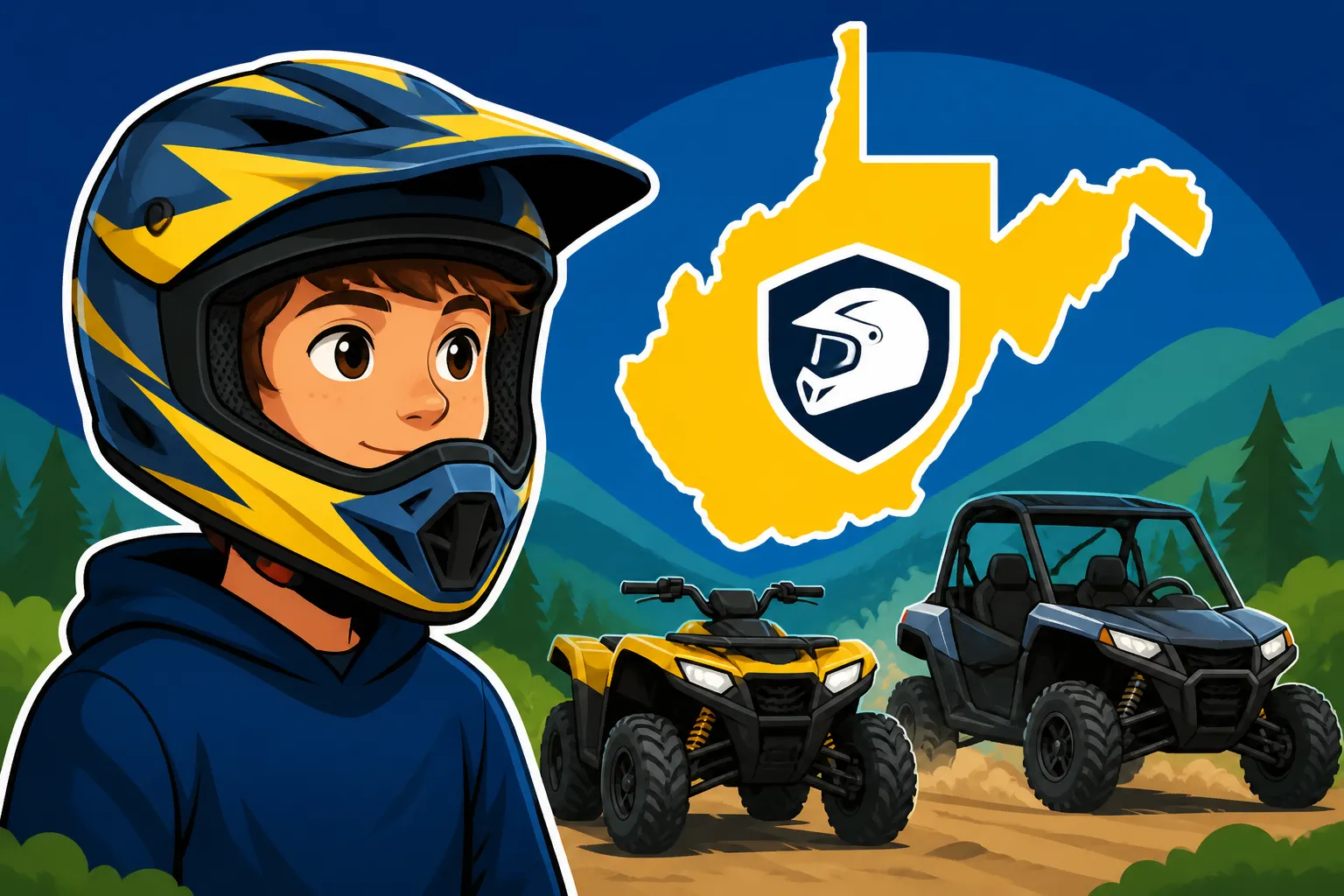
West Virginia isn't messing around when it comes to protecting its youngest riders. The state takes a very firm stance on helmet use for anyone under the age of 18 operating or riding as a passenger on an ATV or UTV. It's a common-sense approach rooted in preventing severe injuries, and it's something every parent, guardian, and even the young riders themselves need to understand deeply.
Why Helmets Are Non-Negotiable for Minors
Let's be blunt: a helmet is the single most critical piece of safety gear for a young ATV or UTV rider. West Virginia's laws reflect the undeniable fact that head injuries are among the most serious risks in any off-road vehicle accident. For children and teenagers, whose bodies are still developing and often have less experience with machine control and situational awareness, that risk is amplified.
Imagine this scenario: your child, let's say a confident 12-year-old, is riding their youth ATV "just around the yard" at a slow speed, or perhaps even a little faster down a familiar gravel driveway. You might think, "It's close to home, it's not a trail, they'll be fine." But even at low speeds, an unexpected bump, a quick turn, or a moment of inattention can lead to a fall. The ground is still hard, and gravity is still very real. Without a helmet, a seemingly minor tumble can turn into a life-altering head injury. West Virginia law doesn't differentiate between a casual yard ride and a hardcore trail excursion when it comes to minors; the helmet is mandatory. This isn't about stifling fun; it's about safeguarding futures. The state mandates helmets because they absorb impact, distribute force, and significantly reduce the risk of concussions, skull fractures, and other traumatic brain injuries that no parent ever wants to face.
The Broad Reach of "Under 18" in West Virginia Law
It's crucial to grasp that "under 18" means exactly that—from the moment they're old enough to ride safely up until their 18th birthday. This isn't a guideline that fades away as they get closer to adulthood. A 17-year-old, even one who has been riding for years and feels like a seasoned pro, is legally considered a minor under this rule and must wear a helmet.
Consider a 17-year-old who's been riding with you since they were small. They might argue, "Dad, I'm practically an adult! I don't need a helmet for this short ride down to the creek." While their skills might be impressive, the law doesn't make exceptions for perceived experience. If that 17-year-old is operating an ATV or UTV anywhere in West Virginia without a helmet, they (and more importantly, you, as their legal guardian) are in violation of the law. This rule applies whether they're tearing it up on the Hatfield-McCoy Trails, cruising on private family land, or carefully crossing a county road where permitted. The responsibility ultimately falls on the parents or legal guardians to ensure compliance. It's a broad and encompassing rule designed to cover every possible scenario where a minor might be on an off-road machine in the Mountain State.
Specific Scenarios: Where and When the Rule Applies
One of the biggest sources of confusion for ATV and UTV enthusiasts, especially those with young riders, is understanding where exactly the helmet law for minors applies. Is it just on public trails? What about private property? Let's break down the specific scenarios you might encounter in West Virginia.
Helmets on Managed Trail Systems Hatfield-McCoy & Others
When you're riding West Virginia's renowned trail systems, like the sprawling Hatfield-McCoy Trails, there's absolutely no ambiguity: helmet rules for minors are strictly enforced. These trail systems are designed for safety, and adherence to all regulations, including helmet use for riders under 18, is a condition of entry and continued riding privileges. Trail rangers, law enforcement, and even fellow riders keep an eye out, not just because it's the law, but because it's paramount for safety.
Imagine your family has driven hours to get to West Virginia, excited to hit the Rockhouse Trail System or the Buffalo Mountain Trail System. You've unloaded your machines, everyone's geared up, and you're ready to head out. Suddenly, you realize your 10-year-old's helmet was left behind in the excitement, or maybe it somehow fell out of the truck at the lodging. What happens next? A trail ranger performing a routine check will not allow your child to ride without a properly worn, approved helmet. You'll either have to go back and retrieve it, find a local vendor to purchase a new one, or your child simply won't be able to ride that day. It's a tough lesson, but it highlights the non-negotiable nature of the rule on these managed trails. These systems are managed by the Hatfield-McCoy Trail Authority, which prioritizes rider safety above all else, and that includes strict adherence to helmet laws for young riders.
Riding on Private Property and Farmlands
Here's where a common misconception often creeps in: "If it's my land, I can do what I want." While there's certainly more freedom on private property, West Virginia's helmet law for minors isn't magically suspended the moment you cross your property line. The law states that any person under the age of 18 operating or riding an ATV or UTV anywhere in the state must wear a helmet. This is a critical point that many parents overlook.
Consider a scenario where your child helps out on the family farm. They might use a UTV to haul feed, check fences, or move equipment. It's a working machine, and they're performing chores, often at slow speeds. You might feel that the risks are lower in such controlled environments. However, the law doesn't make an exception for agricultural use or private property. If your 14-year-old is operating that UTV without a helmet while helping with farm duties, they are in violation. Should an accident occur, even on your own land, the legal ramifications could be significant, not to mention the potential for severe injury. It's about protecting your child, first and foremost, regardless of the terrain or purpose of the ride. A helmet provides protection against unforeseen circumstances, whether it's hitting a hidden rut, tipping on an incline, or a sudden stop.
Crossing or Riding on Public Roads Where Permitted
West Virginia has specific rules allowing ATVs and UTVs on certain public roads, especially in and around its trail towns. These opportunities are fantastic for connecting trails and accessing local businesses, but they come with increased scrutiny regarding safety gear. When a minor is involved in road riding, the helmet rule is absolutely paramount and strictly enforced by local law enforcement.
Let's set a scene: you're enjoying a family ride and decide to use an authorized connector road to head into Gilbert, West Virginia, for lunch. Your 16-year-old is riding their own ATV, following closely behind you. As you navigate the town streets, a local deputy might observe your group. If your 16-year-old is not wearing a DOT-approved helmet, that deputy is entirely within their rights to stop you. On public roads, the visibility and enforcement of these laws are significantly higher. Road riding adds new hazards—pavement, traffic, and different speed limits. You'll also want to be aware of rules like [West Virginia's 10-Mile, 25 mph Road Rule], which dictate how far and how fast you can ride on certain public roads, but the helmet rule for minors remains constant. It's not just about avoiding a ticket; it's about recognizing that road environments, even in ATV-friendly towns, demand heightened safety precautions for everyone, especially young riders.
What Makes a Helmet "Legal" in West Virginia? Standards and Certification
It's not enough to simply wear a helmet; it has to be the right kind of helmet. West Virginia law is quite clear that for a helmet to be considered legal for ATV and UTV use, especially for minors, it must meet certain safety standards. This isn't about brand names or fancy designs; it's about certifications that prove the helmet has been rigorously tested to protect against impact.
Decoding DOT, Snell, and ANSI Certifications
When you're shopping for a helmet, you'll often see acronyms like DOT, Snell, and ANSI. These aren't just industry jargon; they are critical certifications indicating that a helmet has met specific safety requirements. In West Virginia, a helmet must be approved by the Department of Transportation (DOT), the Snell Memorial Foundation, or the American National Standards Institute (ANSI).
Imagine you're a parent trying to buy a helmet for your child, and you see two options: one is a brightly colored, inexpensive helmet without any clear certification markings, and the other is a slightly pricier one with a prominent DOT sticker on the back. It might be tempting to save a few dollars, especially with how fast kids grow. However, that DOT sticker isn't just for show. It means the helmet has passed federal safety standards for impact absorption, penetration resistance, and retention system strength. A helmet without these certifications might offer a false sense of security; it hasn't been proven to perform in a crash. Choosing a helmet that meets these standards, such as those discussed in [Helmet Standards: DOT, Snell and ANSI], is a legal requirement for minors and, more importantly, a crucial investment in your child's safety. A Snell certification, while not legally mandated by WV for ATVs, is an even more rigorous, voluntary standard often sought by serious riders, providing an even higher level of protection.
Proper Fit and Maintenance for Young Riders
Even the most expensive, certified helmet won't do its job if it doesn't fit correctly or if it's been damaged. For young riders, who are constantly growing, ensuring a proper fit is an ongoing challenge but an absolutely vital one.
Think about your child at the start of last riding season versus this one. That helmet that fit snugly then might now be uncomfortably tight, or worse, surprisingly loose. A helmet that's too small can cause pressure points and headaches, making your child want to take it off. One that's too large, however, is far more dangerous; it can shift around during a ride, obstruct vision, or even come off entirely during an impact, rendering it useless. You should be able to shake your child's head side to side and up and down without the helmet moving independently. It should sit level on their head, not tilted back, and the chin strap should be snug but not choking, allowing only one finger to slip underneath. Beyond fit, regular maintenance is key. Helmets are designed to protect against one major impact. If a helmet has been in a crash, even if it looks fine on the outside, its structural integrity may be compromised, and it needs to be replaced immediately. Also, inspect for cracks in the shell, frayed straps, or worn padding. A well-fitting, well-maintained helmet is an active protector, not just a passive piece of gear.
Full-Face vs. Open-Face Helmets for Youth
When choosing a helmet for your young rider, you'll likely encounter both full-face and open-face (or MX style) options. While both can meet certification standards, they offer different levels of protection, and for minors, the decision should lean heavily towards maximum safety.
Imagine your child expresses a preference for an open-face helmet, perhaps because it feels "cooler" or offers a wider field of view. While an open-face helmet with appropriate goggles can meet the legal requirements for eye protection, it leaves the face, chin, and jaw completely exposed. Now consider the typical riding environment: trails often feature low-hanging branches, flying rocks, and the very real possibility of a front-impact fall. In such scenarios, a full-face helmet provides critical protection against facial lacerations, broken jaws, and dental injuries that an open-face helmet simply cannot. While some may argue an open-face helmet with a separate mouthguard offers similar protection, the integrated design of a full-face helmet often provides superior structural integrity during impact to the chin bar. For young, developing riders, the additional coverage of a full-face helmet is generally the safer choice, offering comprehensive protection for their most vulnerable areas. It's about balancing comfort with the highest level of safety.
Eye Protection: The Often-Overlooked Safety Essential
While helmets get a lot of attention, and rightly so, West Virginia law doesn't stop there for young riders. Another critical component of safety gear, often underestimated until you experience a close call, is eye protection. For anyone under 18 riding an ATV or UTV in the state, wearing approved eye protection is just as mandatory as wearing a helmet.
Why Eye Protection is Legally Required (and Smart) for Minors
It's easy to dismiss eye protection as a minor detail, but the reality of off-road riding in West Virginia quickly changes that perspective. The trails and open areas are full of potential hazards that can instantly impair vision or cause serious eye injury. West Virginia's law requiring eye protection for minors acknowledges these inherent risks.
Consider a young rider, perhaps a 9-year-old, complaining that their goggles are fogging up or feel uncomfortable. It's tempting to tell them to just lift them up for a minute to get some air, especially on a hot day. However, in that "minute" of unprotected riding, a gust of wind could kick up a cloud of dust from the trail ahead, rendering them temporarily blind. Or, a small rock or pebble could be flung up by another machine's tire, hitting their unprotected eye with surprising force. Furthermore, even seemingly innocuous elements like flying insects or low-hanging branches on a narrow trail can cause immediate injury, forcing a rider to swerve or lose control. Beyond immediate injury, long-term issues from debris, dust, and UV exposure can also accumulate. West Virginia law doesn't just mandate eye protection; it practically screams out the message that clear vision and protected eyes are fundamental to safe riding. As discussed in [Eye Protection That Meets West Virginia Rules], this isn't a suggestion; it's a non-negotiable part of the safety ensemble.
Goggles vs. Face Shields: Making the Right Choice
Just like with helmets, there are options when it comes to eye protection: standalone goggles or the integrated face shield found on some full-face helmets. Both can be legal, but understanding their strengths and weaknesses can help you make the best choice for your young rider, especially depending on the riding conditions.
Picture a scenario where you're outfitting your child for a ride through the woods after a recent rain. The trail is likely to be muddy, with plenty of splashes. An integrated face shield on a full-face helmet might offer convenience, but it can quickly become obscured by mud and water, requiring a stop to clean. Goggles, on the other hand, often sit closer to the face, creating a better seal against dust and debris. Many riders prefer goggles for muddy conditions because they can be more easily cleaned or even swapped out for a fresh pair if they become too dirty. On a dusty, dry day, the tight seal of goggles is superior in preventing fine particles from irritating the eyes. However, for those who wear prescription glasses, a face shield might be more comfortable as it can often accommodate glasses more easily than some goggles, though specialized "over-the-glasses" (OTG) goggles are also available. Ultimately, the best choice often comes down to the specific helmet, the conditions you expect to encounter, and what provides the most consistent, unobstructed vision for your young rider. What's most important is that whatever choice you make, it meets the required safety standards and stays securely in place.
Enforcement, Penalties, and Guardian Responsibility
Knowing the rules is one thing, but understanding the consequences of not following them, particularly when it comes to minors and helmets, is another. West Virginia takes these safety laws seriously, and the enforcement often lands squarely on the shoulders of the adult in charge.
What Happens if a Minor is Caught Without a Helmet?
It's a common fear for many parents: getting pulled over or stopped by an official for a safety violation. If a minor in West Virginia is caught operating or riding as a passenger on an ATV or UTV without a legally compliant helmet, there will be consequences. Unlike some violations where the minor might receive a warning, helmet laws for youth are generally enforced with citations.
Consider this situation: you're at a popular trailhead near Logan or Man, perhaps setting off on the Bearwallow Trail System. A West Virginia State Trooper or local sheriff's deputy is conducting routine checks. They observe your 15-year-old riding without a helmet. What happens? That deputy will likely issue a citation. This isn't just a slap on the wrist. The penalty typically involves a fine, and importantly, that fine is usually levied against the parent or legal guardian, not the minor themselves. It's a clear message from the state that adults are responsible for ensuring the safety of the young riders under their care. Beyond the immediate financial penalty, there could be other consequences, such as being asked to remove the machine from the trail system until proper gear is acquired, disrupting your entire riding day. While this article focuses on helmet rules, it's worth noting that general penalties for non-compliance with ATV laws can be substantial, as seen in topics like [West Virginia Penalties for an Untitled Machine] or the general [West Virginia ATV Ticket Costs]. The state wants to avoid serious injuries, and these penalties reflect that priority.
Guardian Accountability: It's On You, Parents!
This point cannot be stressed enough: when a minor is riding an ATV or UTV in West Virginia, the ultimate legal and moral responsibility for their safety, including helmet use, rests firmly with the parent or legal guardian. The state's laws are designed to ensure that an accountable adult is always looking out for the minor's well-being.
Imagine a situation where your 16-year-old asks to borrow their friend's ATV for an afternoon ride. You give permission, but you assume their friend's parents will ensure they wear a helmet. Later, you receive a call from the local sheriff: your child was stopped, unhelmeted, on an approved public road segment (perhaps near Williamson) and a citation has been issued. Who gets the ticket? In most cases, it will be directed at you, the legal guardian. West Virginia law holds parents responsible for the actions and compliance of their minor children when operating these machines. This means you need to be proactive: not only providing the correct gear but also ensuring it's worn every single time. This might involve direct supervision, especially for younger riders, as covered in topics like [Supervising a Young Rider on a West Virginia Road Section]. It means having clear rules, constant reminders, and even occasionally checking up on them. Your accountability isn't just about avoiding a fine; it's about fulfilling your duty to protect your child from harm.
Beyond the Law: Promoting a Culture of Safety for Young Riders
While legal requirements provide a baseline for safety, true rider protection goes beyond mere compliance. As parents and experienced riders in West Virginia, we have a unique opportunity to instill a deep-seated culture of safety in our young ones, creating habits that will last a lifetime.
Leading by Example: Adults and Helmet Use
The old saying, "Do as I say, not as I do," simply doesn't fly when it comes to ATV and UTV safety. Children, especially teenagers, are incredibly observant, and they will emulate what they see from the adults they respect. If you want your minor child to consistently wear their helmet, the most powerful message you can send is by wearing yours, even when the law might not strictly require it for you.
Think about it: you're planning a ride with your 13-year-old on the Indian Ridge Trail System. West Virginia law mandates your child wear a helmet. As an adult, you're over 18, so technically, if you're not riding an SPV (Special Purpose Vehicle) on public roads, the law might not require you to wear one for purely off-road trail riding. However, if you pull your helmet on, your child sees that safety isn't just a rule for kids; it's a practice for all responsible riders. If you forgo your helmet, they might subconsciously (or even consciously) question the true importance of wearing theirs. You're teaching them that helmets are essential for their safety, but also modeling that your safety is just as important. This consistency reinforces the message that helmets are non-negotiable for everyone, regardless of age, experience, or legal mandate. For more on this, you might explore [Do Adults Need Helmets in West Virginia?]. Setting this kind of example fosters a lifelong habit of safety, rather than just grudging compliance.
The West Virginia ATV Safety Awareness Course
West Virginia offers an invaluable resource for both young and seasoned riders: the ATV Safety Awareness Course. This isn't just another hoops-to-jump-through requirement; it's a comprehensive educational program designed to teach critical safety principles that extend far beyond simply wearing a helmet. For minors, it's particularly beneficial, providing structured learning that complements your hands-on guidance.
Imagine you're a parent with a child who's just getting into ATV riding. You've taught them the basics, but you know there's so much more to learn about machine control, riding etiquette, risk assessment, and environmental awareness. Enrolling them in the [West Virginia ATV Safety Awareness Course] is an excellent step. This course dives into topics like proper riding techniques for various terrains, understanding machine limits, and emergency procedures. It reinforces why helmets, eye protection, and other gear are so vital, giving them a deeper understanding than just "because I said so." After completing the course, many parents feel better equipped to choose the right gear, from sturdy riding boots to a DOT-approved helmet. Brands like SuperATV offer a wide range of accessories, including safety gear, that can help ensure your young rider is well-protected. While the course has a cost associated with it, as detailed in [West Virginia Safety Course Cost], the investment in your child's education and safety is truly priceless. It cultivates a responsible mindset that views safety gear and practices not as burdens, but as essential tools for enjoying their passion safely.
Age-Appropriate Machines and Safe Riding Practices
Even with the best helmet and comprehensive safety training, putting a young rider on a machine that's too large or too powerful for their size and experience level is a recipe for disaster. West Virginia's safety guidelines, and indeed common sense, strongly advocate for matching the machine to the rider.
Consider a family looking to buy an ATV for their 11-year-old. It's tempting to "buy up" to a larger machine that they can "grow into," thinking it will save money in the long run. However, an 11-year-old might lack the physical strength, reach, and cognitive development to safely control a full-sized or even intermediate ATV. They might struggle with braking, steering, or reacting quickly to unexpected obstacles. This mismatch significantly increases the risk of accidents, even with a helmet firmly in place. West Virginia has specific [Youth ATV Size Rules for West Virginia Families] and [Engine Size Limits for West Virginia Riders Under 16] to guide these decisions, often aligning with manufacturer recommendations. Beyond just helmets, ensuring your child rides an age-appropriate machine is paramount. Many parents explore youth-specific ATVs or UTVs, and when it comes to accessorizing these smaller machines for added safety or utility, brands like SuperATV can be a great resource for things like smaller harnesses or grab handles. Teaching safe riding practices—like always riding at a speed appropriate for the terrain and conditions, maintaining a safe distance from other riders, and never carrying more passengers than the machine is designed for—is equally critical. These practices, combined with proper gear, create a holistic approach to safety that empowers young riders to enjoy the thrill of off-roading responsibly.
| Rider Age | Helmet Required | Eye Protection Required | Certification Standard | Applies On |
|---|---|---|---|---|
| Under 18 | Yes | Yes | DOT, Snell, or ANSI | All WV Lands (Public/Private/Trails) |
| 18 and Over | No (Recommended) | No (Recommended) | N/A | Public Roads/Trails* |
| *Mandatory if riding an SPV or certain road types |
Disclaimer
This article is for general informational purposes only and does not constitute professional advice. Laws, prices and regulations vary by location and change over time. Consult a qualified professional for guidance on your specific situation.