Passengers on a West Virginia Road Ride
There's nothing quite like the thrill of exploring West Virginia's scenic roads and charming trail towns on your ATV or UTV. But if you're like many riders, you might be wondering if you can share that adventure with a friend, spouse, or child. Navigating the rules for carrying passengers on public roads can feel like deciphering an ancient map, full of twists and turns that make you question what's truly allowed and what could land you in hot water. This comprehensive guide will clear up the confusion, helping you understand the specific regulations, safety considerations, and best practices for having passengers along for the ride on West Virginia's public roads.
The Basics of Passenger Rules on West Virginia Roads
When you're out on a West Virginia road ride, whether it's a short hop between trailheads or a cruise through an ATV-friendly town, the rules about who can ride with you are front and center. These aren't just suggestions; they're legal requirements designed to keep everyone safe. It's crucial to understand these fundamentals before you even think about buckling up a buddy.
Why Passenger Rules Exist Safety First
Let's be real: ATVs and UTVs aren't cars. They handle differently, sit higher, and often lack the same protective enclosures. When you bring these machines onto paved public roads, the dynamics change dramatically from off-road conditions. The rules governing passengers are put in place because of the inherent dangers. Think about it: a sudden swerve to avoid a pothole, a quick brake for an unexpected deer, or even just the centrifugal force of turning on pavement can be much more impactful on an ATV or UTV.
For passengers, these risks are amplified. They might not have the same control or bracing ability as the driver, making them more susceptible to being jostled, thrown, or injured in a minor incident. There's also the risk of ejection, especially if not properly secured, and the lack of a traditional passenger compartment means less protection from impacts with other vehicles or stationary objects. These regulations aren't there to spoil your fun; they're a realistic acknowledgment of the physics and potential consequences of operating these machines in a shared road environment. They exist to protect not just you, but also anyone you choose to bring along.
Single-Rider ATVs and Passengers A Strict No-Go
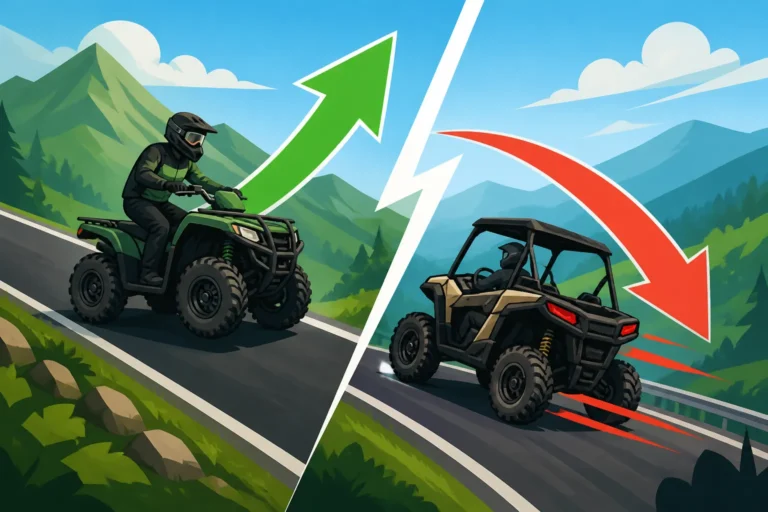
This is one of the most straightforward, yet often misunderstood, rules: if your ATV is designed by the manufacturer for a single rider, then only one person — the driver — is allowed on it when you're on a public road in West Virginia. Period. No exceptions for short distances, no "just this once" for your kid, and no trying to squeeze an extra person on the cargo rack.
The design of a single-rider ATV speaks volumes. It has one seat, one set of footpegs, and is balanced for one operator. Adding a passenger completely throws off the machine's weight distribution, affecting its steering, braking, and overall stability, particularly at road speeds or during turns. The passenger has no proper place to sit or brace themselves, making them incredibly vulnerable. Trying to force a second person onto a machine not built for it is not only illegal but extremely dangerous. Imagine trying to make an emergency maneuver with someone precariously perched behind you; it’s a recipe for disaster. This rule is firm for a good reason: it’s about preventing serious accidents. For example, a sport quad like a Honda TRX450R or a Yamaha Raptor 700, while powerful and fun on the trails, is absolutely not suitable for carrying a passenger on a public road, even if you’re just trying to get from your cabin to the general store. You'll definitely want to read up on [Passengers on a Single-Rider Quad in West Virginia].
UTVs and Multiple Passengers Capacity Is Key
Utility Terrain Vehicles (UTVs) are a different beast entirely, and their design often includes multiple seats, making them suitable for carrying passengers. However, even with UTVs, there's a critical rule: you cannot exceed the manufacturer's designated seating capacity. If your side-by-side has two seats, it's for two people. If it has four seats, it's for four. This might seem obvious, but it's often overlooked. Trying to cram five people into a four-seat UTV, even if it feels like a tight but possible squeeze, is against the rules and compromises safety.
Each designated seat comes with its own seatbelt and is engineered to safely hold a certain amount of weight and provide proper bracing. Overloading a UTV impacts its handling, braking distance, and suspension, just like overloading a car. It also means someone isn't properly secured, increasing their risk of injury. When considering aftermarket seats or modifications, such as those from brands like SuperATV, it's vital to ensure they are installed correctly and that you still adhere to the original manufacturer's capacity and safety standards. Always ensure every passenger has a dedicated, manufacturer-intended seating position with a working seatbelt.
Age Restrictions and Supervision for Young Passengers
Taking your kids or younger family members along for a road ride on your UTV might seem like a fun way to share your passion, but West Virginia has specific rules for minors on public roads that are often different from those on private land or designated trail systems. Understanding these age and supervision requirements is non-negotiable for their safety and your legal compliance.
Minimum Age for Passengers on Public Roads
While designated off-road trail systems like the Hatfield-McCoy Trails often have specific minimum age requirements for riders (sometimes as young as six years old for passengers, with proper supervision), the rules for public roads can be more restrictive. Generally, West Virginia law does not explicitly state a minimum age for a passenger in a UTV on a public road, provided they are properly secured in a manufacturer-designated seat with a seatbelt and are wearing appropriate safety gear.
However, the spirit of the law, and certainly common sense, dictates that any passenger must be mature enough to follow instructions, maintain their position, and benefit from the provided safety equipment. If a child is too small to properly fit a seatbelt or if their feet don't reach the floorboard, they may not be adequately secured or able to brace themselves. Drivers are always responsible for the safety of their passengers, and this includes making a responsible judgment call about whether a child is truly capable of riding safely on a public road, which presents different hazards than a controlled trail environment. Always check the machine's manufacturer recommendations for passenger size and age, as well as specific local ordinances in ATV-friendly towns. You can also review [West Virginia Road Riding Age Minimum] for more clarity.
Supervising Young Riders on Road Sections
When a young person is riding as a passenger, direct supervision from the driver is always implied, but the definition of "supervision" subtly shifts when you're on a public road. Unlike on a trail where a supervising adult might be riding a separate machine nearby, on a public road, the adult operating the UTV is directly responsible for the child in their vehicle. This means maintaining constant awareness of the child's behavior, ensuring they remain seated and secured, and being prepared to react to any situation that might compromise their safety.
The driver must ensure the child understands the rules for riding: keep hands and feet inside the vehicle, do not distract the driver, and remain seated at all times. This is especially critical on roads where unexpected traffic, sudden turns, or emergency braking can occur. For more details on the general rules for minors, consult [West Virginia Rules for Riders Under 18 on Roads]. It's not enough for a child to simply be present; they must be actively and safely participating as a passenger under the direct control and guidance of the driver.
Child Restraints and Safety Gear for Passengers
This is an area where specific state laws about child car seats in ATVs/UTVs on public roads can be a bit murky, largely because these vehicles aren't conventional automobiles. However, the guiding principle is always safety. If a child is too small for the UTV's standard seatbelt system to provide adequate restraint, then a booster or car seat, if it can be safely and securely installed in a designated seating position, should be considered. The critical part is "safely and securely installed" – a loose car seat is more of a hazard than a help. Always prioritize the child's ability to be properly secured by the vehicle's safety system.
Regardless of age or size, all passengers on a West Virginia public road ride must wear a DOT or Snell-approved helmet and appropriate eye protection. This isn't optional. Children, even if they are just passengers, are exposed to the same risks of head injury and flying debris as the driver. Ensuring they have a properly fitting helmet and goggles or a face shield is paramount. Fortunately, reputable brands like SuperATV offer a wide range of youth helmets and goggles that meet these safety standards, designed to fit smaller heads and faces securely. This dual layer of protection—proper seating restraint and essential head/eye gear—is vital for the safety of your youngest co-pilots. For further specifics on protective gear, check out [Carrying a Child as a Passenger].
Safety Equipment and Best Practices for Passengers
Beyond the legal requirements, there are crucial safety practices and equipment considerations that extend to passengers. It’s not just about what the law says you must do, but what common sense and a commitment to safety dictate you should do to ensure everyone has a safe and enjoyable journey on West Virginia’s roads.
Mandatory Helmets and Eye Protection for All
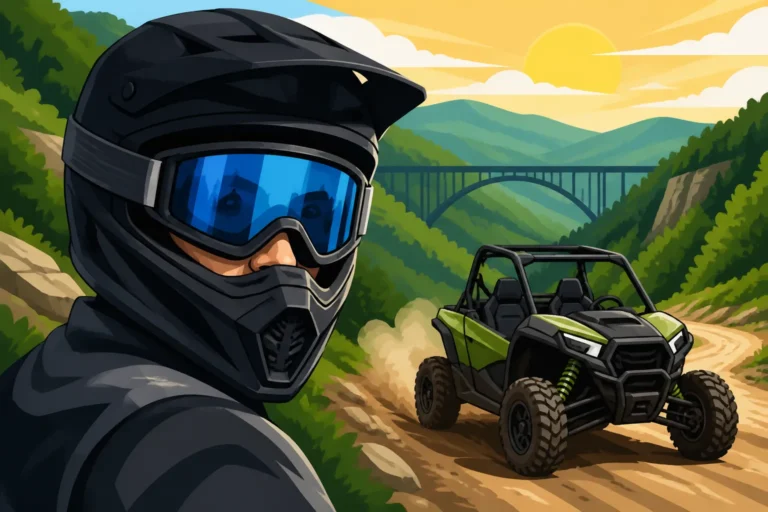
Let's make this crystal clear: in West Virginia, if you're riding an ATV or UTV on a public road, every single person in or on that machine, driver and passenger alike, must wear a DOT or Snell-approved helmet. This isn't just a recommendation; it's the law. The helmet needs to fit properly—snug, but not uncomfortable, with the chin strap securely fastened. A helmet that's too loose can shift during an impact and offer little protection, while one that's too tight can be distracting. Inspect the helmet for any cracks, dents, or signs of wear that could compromise its integrity.
In addition to helmets, all occupants must wear eye protection. This could be goggles, a face shield integrated into the helmet, or even impact-resistant glasses. The goal is to shield your eyes from dust, debris, insects, and wind, which can impair vision and cause discomfort or injury. Imagine hitting a patch of gravel or having a bug fly into your eye at 30 mph; the results could be catastrophic. Make sure your passengers, especially children, understand why this gear is so important and that it must be worn at all times while the machine is in motion on the road. For more on helmet and eye protection specifics, refer to [Helmet Rules for a 17-Year-Old in West Virginia] and [Eye Protection on a West Virginia Road Ride]. You can also see [West Virginia Helmet Standards: DOT, Snell and ANSI] for official standards.
Seatbelts and Secure Seating in UTVs
For UTVs, which are designed to carry multiple passengers, the seatbelts are your first line of defense. Every passenger must use the provided seatbelts, securely fastened before the UTV starts moving and remaining fastened until the machine is safely stopped. The dangers of not using seatbelts in a UTV, particularly on paved roads, are immense. A sudden stop, an evasive maneuver, or even hitting an unexpected bump can throw an unbelted passenger around the cab, leading to serious injury. Unlike a car, UTVs often have higher centers of gravity and less forgiving suspensions, making sudden movements feel more aggressive inside the cab.
If your UTV has aftermarket harness systems, perhaps from a company like SuperATV, ensure they are installed correctly and that passengers know how to use them. These often provide superior restraint compared to standard automotive-style seatbelts, especially in off-road conditions, but their effectiveness on pavement is equally critical. Ensure that passengers understand that their feet and hands must remain inside the vehicle at all times, preventing them from being caught by passing objects or from being injured if the vehicle should roll. Beyond the legal mandate, it's about making sure your passengers are genuinely secured against the unexpected.
Passenger Behavior and Communication
As the driver, you are ultimately responsible for the safety of everyone in your machine. Part of that responsibility involves briefing your passengers, especially those who might be new to UTV riding, on proper behavior. Before you even pull out of the driveway or trailhead parking lot, have a quick chat about expectations. Explain the importance of keeping their hands and feet inside the vehicle, not leaning out, and avoiding sudden movements that could upset the UTV's balance.
Encourage your passengers to be an extra set of eyes, scanning for potential hazards, but emphasize that they should communicate these observations clearly without shouting or distracting you at critical moments. A simple hand signal or a calm verbal alert can be incredibly helpful. Conversely, if a passenger is feeling uncomfortable, cold, or needs to stop, they should have an easy way to communicate that to you. Clear, concise communication fosters a safer and more enjoyable experience for everyone, turning your passengers into valuable co-pilots rather than potential liabilities. Remember, a smooth ride often starts with a clear conversation.
Legal Implications and Penalties for Violating Passenger Rules
Ignoring West Virginia's rules for passengers on ATVs and UTVs on public roads isn't just a matter of "bad form." It carries real legal consequences, from citations and fines to potentially devastating impacts on your insurance and liability in the event of an accident. Understanding these implications is critical to protecting yourself and your passengers.
Citations for Overloaded or Improperly Carried Passengers
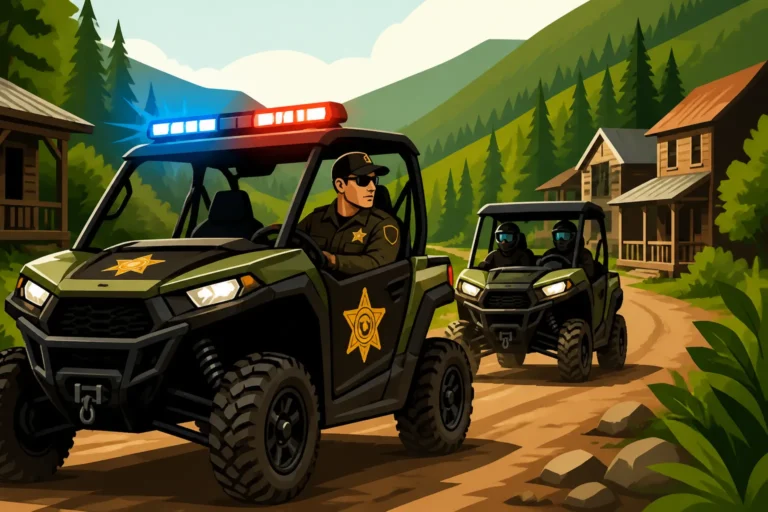
Law enforcement in West Virginia, particularly in ATV-friendly areas, is well-versed in the specific regulations governing off-highway vehicles on public roads. If you're caught carrying more passengers than your UTV is designed for, or, perhaps more severely, if you have a passenger on a single-rider ATV, you can expect to receive a citation. These aren't minor traffic tickets; they reflect a serious safety violation. The fines can be substantial, and accumulating multiple violations could lead to more severe penalties.
Deputies and state police take these rules seriously because they directly correlate with accident rates and injuries. They know that an improperly loaded or operated machine is a hazard not only to its occupants but also to other drivers and pedestrians on the road. It's not uncommon for officers to be specifically watching for these types of infractions, especially during busy riding weekends. Knowing the rules and adhering to them is the easiest way to avoid a costly and frustrating encounter with law enforcement. For details on potential penalties, refer to [Tickets West Virginia Deputies Write for Road Riding].
Insurance and Liability Concerns
This is where ignoring passenger rules can become incredibly expensive and emotionally taxing. If you're involved in an accident while carrying passengers improperly—for instance, too many people in a UTV or any passenger on a single-rider ATV—your insurance company may deny coverage for injuries sustained by those passengers. Most insurance policies have clauses that exclude coverage for illegal acts or for operating a vehicle outside its intended design or capacity.
Without insurance coverage, you could be held personally liable for a passenger's medical bills, lost wages, and pain and suffering. These costs can quickly escalate into hundreds of thousands, if not millions, of dollars, potentially bankrupting you. This personal liability extends beyond just the passengers in your vehicle; if your improperly operated machine causes damage or injury to other vehicles or people, your financial exposure can be immense. Before you even consider bending the rules, think about the potentially life-altering financial repercussions. Always carry adequate coverage, and understand its limits, by checking [West Virginia ATV Liability Coverage Limits].
Road Riding Privileges and Enforcement
Consistent violations of passenger rules, or any other road riding regulations, can lead to more than just fines. In West Virginia, your privilege to operate an ATV or UTV on public roads is often conditional, granted under specific circumstances (e.g., in ATV-friendly towns, for a limited distance, or with a special purpose vehicle plate). Abusing these privileges by flouting safety rules could result in their revocation.
Law enforcement agencies and local municipalities are invested in maintaining safety on their roads. If they see a pattern of disregard for regulations, they may tighten restrictions, increase patrols, or even reconsider the allowances for ATVs and UTVs on their roads. The actions of a few irresponsible riders can negatively impact the entire riding community, potentially leading to reduced access or stricter future rules for everyone. By adhering to passenger rules, you're not just protecting yourself and your friends; you're helping to preserve the unique road riding opportunities that West Virginia offers. [Equipment West Virginia Requires on a Road Ride] also explains what is expected of your vehicle.
Comparing Trail Riding vs. Road Riding Passenger Rules
It’s easy to get the rules mixed up, especially in West Virginia where you can transition from trail to road and back again in many areas. However, it's absolutely crucial to understand that the rules for passengers on designated off-road trails are often different—and generally more permissive—than those for public roads. This distinction is vital for both safety and legal compliance.
Differences in Age and Supervision on Trails
On managed trail systems like the Hatfield-McCoy Trails, the rules for young riders, including passengers, are typically clearly defined and often less restrictive than general public road laws. For instance, the Hatfield-McCoy system generally allows passengers as young as six years old in UTVs, provided they are properly supervised by an adult. The rationale here is that trails are a more controlled environment: speeds are generally lower, there's less mixed traffic (no cars, trucks, or tractor-trailers), and the terrain itself often enforces a slower, more deliberate pace.
"Direct supervision" on trails can also be interpreted a bit more broadly. While the adult driver of a UTV is always responsible for a child passenger, in a group setting on the trails, a supervising adult might be riding a separate machine in close proximity. On public roads, however, the concept of supervision for a passenger is almost always focused on the immediate control and responsibility of the driver of that specific vehicle. The hazards of a public road, such as higher speeds and interactions with traditional road traffic, necessitate a more stringent approach to age appropriateness and supervision. For specific trail rules, you'll want to review [Age Rules for Passengers at Hatfield-McCoy].
Capacity and Seating Differences on Designated Trails
While manufacturer seating capacity is a universal safety guideline that should always be respected, the enforcement context can feel different on a private trail system versus a public road. On trails, the focus is heavily on preventing accidents through proper machine operation and gear. If a UTV is designed for four people, that's still the maximum number allowed on the trails. Overloading still puts undue stress on the machine and compromises safety, regardless of the terrain.
However, the specific "public road" designation means you're under the broader umbrella of state vehicle code, which often has different liability and safety provisions for motor vehicles operating among cars and trucks. On trails, while an overloaded machine is unsafe, the risk matrix changes significantly when you introduce highway speeds and heavy vehicles. Some older ATVs might have an "extra" seat that was never really meant for public road use but might be tolerated on a very casual, private trail ride (though still not recommended). On a public road, any "extra" or improvised seating is an immediate red flag for law enforcement. Always stick to the manufacturer's intended seating for all environments.
The Importance of Knowing Your Location
The golden rule for ATV/UTV riding in West Virginia, especially when considering passengers, is to always know exactly where you are and what rules apply to that specific location. Are you on a private trail that's part of a managed system? Are you on a designated "ATV-friendly" municipal street in a town like Gilbert or Man? Or are you on a regular state route or county road that allows limited ATV/UTV access? Each scenario comes with its own set of regulations regarding who can ride with you, what gear they need, and how the machine must be equipped.
What's perfectly legal on a dedicated trail might be illegal five feet over on a public road. The transition from a muddy trail to a paved road is often seamless in West Virginia's trail towns, but the legal framework changes instantly. Always look for signage, consult local ordinances for specific towns, and pay attention to road markings. Educate your passengers about these transitions too, so they understand why one moment they might be allowed to ride a certain way, and the next, strict road rules apply. Staying informed about your location's specific rules, especially concerning passenger transport, is the best way to ensure a safe and penalty-free ride for everyone. Check out [West Virginia's ATV-Friendly Towns and What You Can Ride] for more location-specific information.
| Feature / Rule | Single-Rider ATV on WV Road | Multi-Passenger UTV on WV Road |
|---|---|---|
| Max Passengers Allowed | 0 (Driver only) | Manufacturer's designated capacity |
| Mandatory Helmet | Yes (Driver) | Yes (All occupants) |
| Mandatory Eye Protection | Yes (Driver) | Yes (All occupants) |
| Seatbelts Required | N/A (Single seat) | Yes (All designated seats) |
| Minimum Passenger Age | N/A (No passengers allowed) | Generally no explicit state law, but common sense and proper fit are crucial; Manufacturer's age recommendations apply. |
| Foot Rests/Floorboards | N/A (Driver has pegs) | Required for all passengers (properly seated) |
| Liability Impact | High for any passenger | High for overloaded/unrestrained passengers |
Disclaimer
This article is for general informational purposes only and does not constitute professional advice. Laws, prices and regulations vary by location and change over time. Consult a qualified professional for guidance on your specific situation.