Mountain Grades and Braking on Pavement
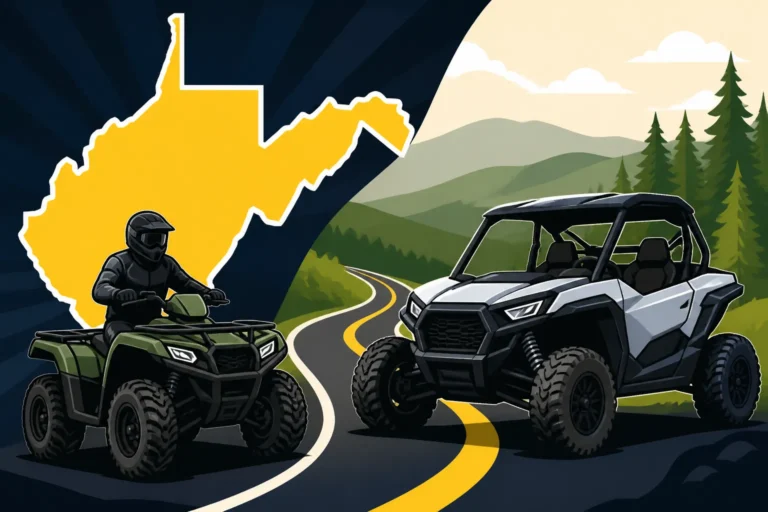
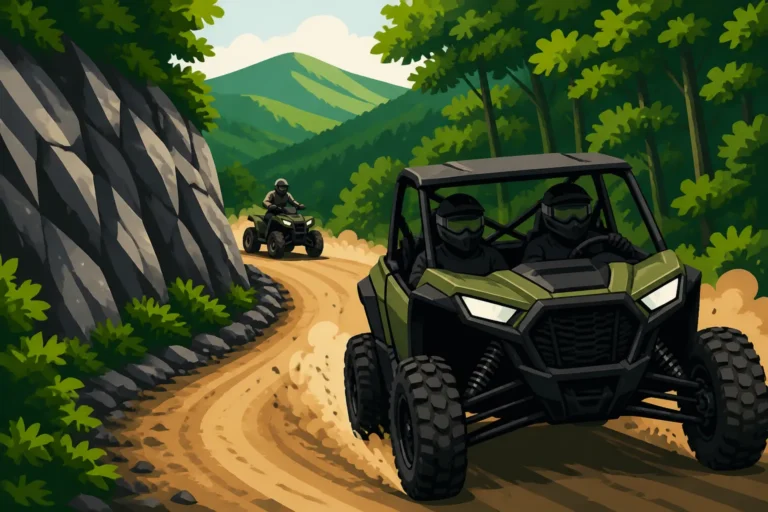
Cruising the backroads and even some main thoroughfares of West Virginia on your ATV or UTV is an incredible experience, but it comes with its own set of challenges, especially when you encounter those infamous mountain grades. Many riders, used to the forgiving dirt of the trails, are caught off guard by how differently their machine handles on pavement, particularly when it comes to stopping on a steep downhill. This guide is here to walk you through the nuances of braking on pavement while navigating West Virginia’s beautiful, yet often demanding, mountainous roads, ensuring you ride safer and with more confidence.
Understanding the Unique Challenges of Mountain Grades for ATVs/UTVs
Riding an ATV or UTV on a paved mountain road is a completely different beast than tackling a winding dirt trail. The same machine you confidently navigate through mud and rocks suddenly feels a bit foreign when you’re facing a steep downhill grade with asphalt under your tires. This isn't just about speed; it's about physics, traction, and the very design of your machine.
The Physics of Downhill Braking on Pavement
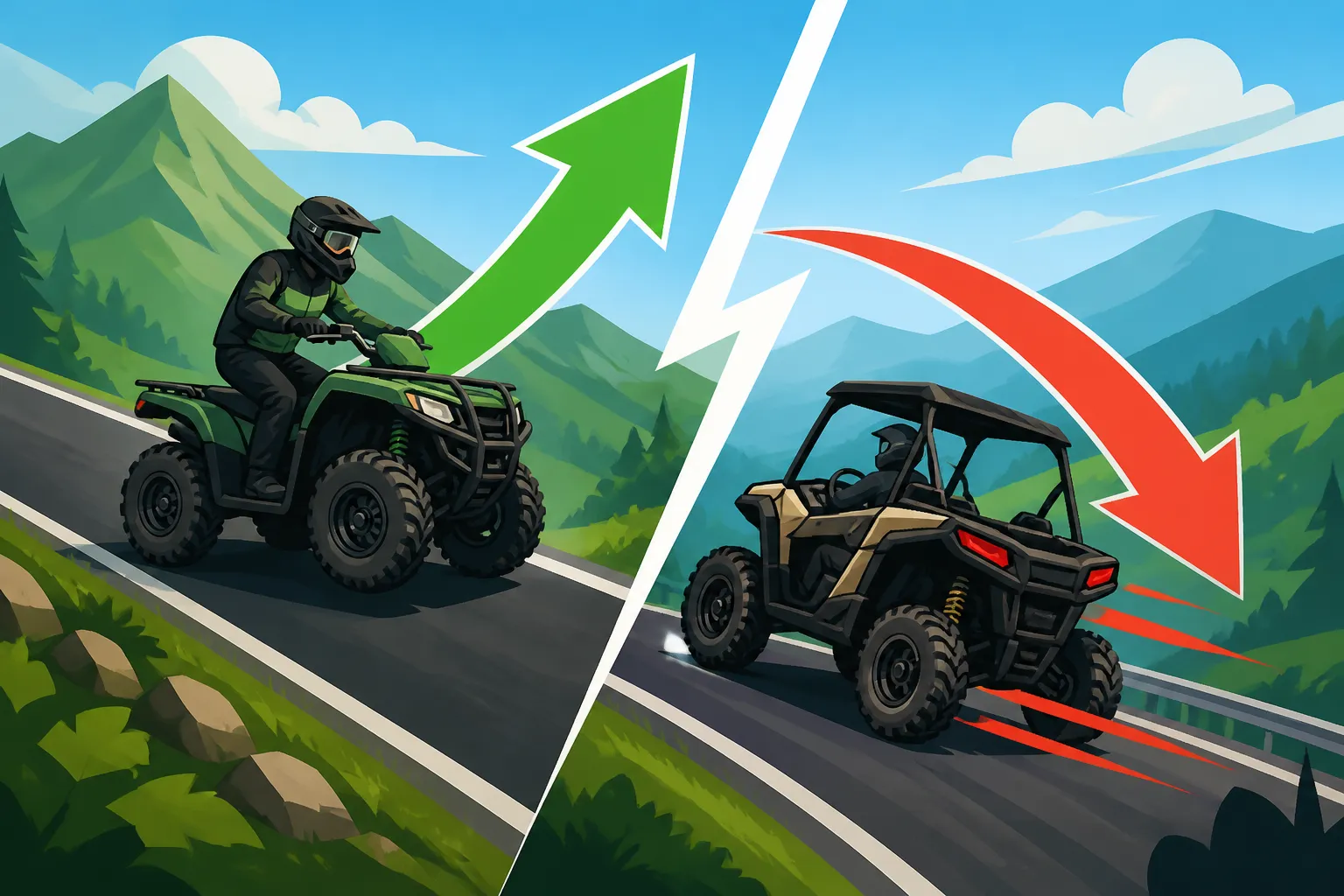
When you’re descending a steep grade on pavement, gravity is constantly working against you, trying to accelerate your machine. On dirt, your tires dig in, and engine braking is incredibly effective, slowing you down significantly. But on smooth asphalt, your tires have less mechanical grip – they rely entirely on friction, which can be easily overwhelmed. This means your brakes have to work much harder to counteract gravity and maintain your desired speed. The weight of your machine, plus any passengers or cargo, is amplified by the downhill angle, putting immense stress on your braking system. Think of it like trying to stop a sled on a polished floor versus a carpeted one; the sled wants to keep going, and your effort to stop it needs to be far greater on the slicker surface.
Adding to this challenge is the fact that many ATVs and UTVs are primarily designed for off-road use. Their braking systems are engineered for intermittent, aggressive stopping on varied surfaces, not sustained, high-friction braking on pavement. Heat buildup in the brake pads and rotors can become a serious issue, leading to brake fade – a terrifying reduction in braking power when the components get too hot. This is a critical concern, especially on those long descents you find winding through places like the Coalfield region or heading down into a river valley.
How Pavement Changes Traction and Vehicle Dynamics
Pavement, unlike dirt, offers a consistent but often unforgiving surface. While it generally provides more overall grip than loose gravel, it offers less forgiveness when that grip is exceeded. On a trail, if your tires lose traction briefly, they often regain it quickly as they find new purchase in the uneven terrain. On pavement, a skid often means a sustained loss of control, and recovery can be much harder and more dangerous. The specific tire type on your ATV or UTV also plays a huge role. Knobby, aggressive off-road tires, while fantastic for mud and rocks, have a smaller contact patch on pavement and can behave unpredictably, especially under hard braking or cornering. They might "squirm" or hydroplane more easily in wet conditions compared to a tire designed for road use.
Furthermore, the suspension on many off-road machines is tuned for absorbing bumps and impacts, not for the flatter, higher-speed demands of pavement. This can lead to more body roll and dive under braking, potentially unsettling the machine and making it harder to control. When you slam on the brakes on a steep downhill, the weight transfer to the front can be dramatic, potentially locking up the rear wheels too easily or causing the front to dive excessively, which impacts steering and stability. Understanding these dynamic shifts is crucial for any rider making their machine [Street-Legal Conversion Kit Prices] and venturing onto public roads.
Mastering Braking Techniques on Pavement
Once you understand the fundamental differences between trail and road riding, you can start to master the techniques needed for safe downhill braking on pavement. It's not just about squeezing the lever or stomping the pedal; it's about a controlled, strategic approach that leverages all your machine's capabilities.
Utilizing Engine Braking and Gear Selection
Engine braking is your best friend when descending mountain grades on pavement. It works by using the engine's compression to resist the rotation of the wheels, slowing your machine down without relying solely on your friction brakes. Most modern ATVs and UTVs, especially those with automatic or CVT transmissions, have some form of engine braking built-in. However, you can significantly enhance its effectiveness through proper gear selection.
For machines with manual or semi-automatic transmissions, downshifting to a lower gear before you start a long descent is paramount. If you're in too high a gear, the engine will simply free-wheel, offering little resistance. Dropping to a lower gear (e.g., from third to second, or even first on very steep grades) will keep the engine RPMs higher, maximizing the engine braking effect. You want to choose a gear that allows your machine to maintain a safe, controlled speed without constantly needing to apply the friction brakes. This technique not only reduces wear on your brake pads and rotors but also prevents brake fade. For CVT-equipped machines, many have a "low" range or specific modes designed for downhill control. Engage these modes well before the descent begins. It's a proactive measure that gives you a much greater margin of safety. Think of it like this: if you're riding a bicycle down a steep hill, you'd downshift to help you control your speed, right? It's the same principle here. This proactive approach is far safer than waiting until you’re already picking up too much speed.
Progressive and Controlled Friction Braking
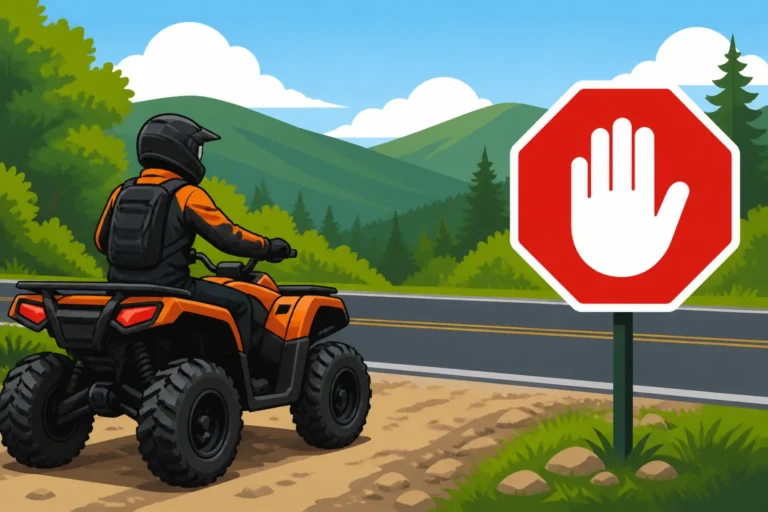
While engine braking is crucial for speed management, your friction brakes (disc brakes, typically) are there for fine-tuning speed, bringing you to a complete stop, and handling unexpected situations. The key on pavement, especially downhill, is progressive and controlled application, rather than sudden, hard grabs.
Imagine you're approaching a switchback on a steep road; you'll want to gently and smoothly apply both front and rear brakes simultaneously. Start with light pressure, gradually increasing it until you feel the machine slowing down at the rate you desire. Avoid locking up the wheels, as this instantly reduces traction and can lead to a skid, which is incredibly difficult to recover from on pavement, particularly if there’s gravel or sand on the road. Many UTVs have a combined braking system, making this easier, but on ATVs, you typically have separate levers/pedals for front and rear. Learn how your machine distributes braking power. If you apply too much front brake, you risk diving or even flipping, especially if your front suspension is soft. Too much rear brake can cause the back end to slide out. The goal is a smooth, balanced application that keeps the machine stable and allows the tires to maintain maximum grip. Regularly checking your [West Virginia Inspection Rules for a Street-Legal Machine] will ensure your brakes are always up to snuff.
Alternating and Resting Your Brakes
On very long or exceptionally steep descents, even with excellent engine braking, your friction brakes might still be working overtime. If you feel your brakes starting to get spongy or notice a burning smell (signs of brake fade), it's crucial to give them a break. This is where alternating your braking, combined with proper gear selection, becomes vital.
Instead of dragging your brakes continuously, try a technique where you apply firm, progressive braking for a few seconds to scrub off a significant amount of speed, then release them completely for a few seconds to allow them to cool down, all while letting engine braking maintain a base level of control. Repeat this cycle as needed. This "pump" or "staggered" braking helps dissipate heat. If the grade is truly relentless, consider pulling over safely for a few minutes to let your entire braking system cool. This might seem inconvenient, but it’s far better than losing your brakes entirely on a winding mountain road. Always be aware of your surroundings and choose a safe spot to pull off, well out of the flow of traffic. Remember, even the best aftermarket brakes, like those offered by SuperATV, can succumb to fade if abused.
Maintaining Your Machine for Peak Braking Performance
Your riding technique is only half the battle; the other half is ensuring your machine is in top shape. Neglecting maintenance, especially concerning your brakes, is a recipe for disaster on any road, let alone a steep mountain grade.
Regular Brake System Inspections
A pre-ride inspection should be a habit before every ride, but it's non-negotiable before hitting paved roads and mountain grades. Your brake system needs keen attention. Check your brake fluid level and condition – it should be clear, not dark and murky, and always at the proper fill line. If it looks off, it's time for a flush. Inspect your brake lines for any cracks, leaks, or chafing. A compromised line can lead to sudden brake failure.
Visually inspect your brake pads. Are they worn down past their minimum thickness? Are they wearing evenly? Uneven wear can indicate a caliper issue. Check your rotors for excessive grooves, warping, or scoring. Discoloration, like blue spots, can be a sign of extreme heat, indicating previous brake fade. Listen for any unusual squealing or grinding noises when you apply the brakes, as these are often early warning signs of problems. Don't forget your parking brake; ensure it engages firmly and holds your machine securely, especially if you need to stop on an incline. For machines that get road time, a good look at your [DOT Tires for a Street-Legal Side-by-Side] is also important to confirm they're in good condition.
| Component | Inspection Point | Action if Faulty |
|---|---|---|
| Brake Fluid | Level, color (should be clear), leaks | Top off, bleed, flush, inspect lines for leaks |
| Brake Pads | Thickness, even wear, glazing, foreign material | Replace if worn, deglaze, clean calipers |
| Brake Rotors | Warping, scoring, grooves, blue spots | Replace if warped/scored, investigate heat issues |
| Brake Lines | Cracks, chafing, leaks, corrosion | Replace immediately |
| Calipers | Seizing, sticky pistons, leaks | Rebuild or replace caliper, lubricate pins |
| Master Cylinder | Leaks, proper lever/pedal feel | Rebuild or replace master cylinder |
| Parking Brake | Engagement, holding power | Adjust cable, inspect pads/shoes |
Replacing Worn Components Proactively
Waiting until a brake component completely fails is not only dangerous but can lead to more expensive repairs down the line. If your pads are thin, replace them before they wear down to the metal backing plate and start damaging your rotors. Rotors with significant grooves or warping should be replaced, as they can cause vibration, reduce braking efficiency, and accelerate pad wear.
Consider upgrading your brake components, especially if you frequently ride on paved mountain roads. Aftermarket pads designed for better heat dissipation and improved friction can make a noticeable difference. Steel-braided brake lines, for example, offer a firmer, more consistent brake feel compared to rubber lines that can expand under pressure. Companies like SuperATV offer a range of performance brake components that can enhance your machine's stopping power and durability, which is a smart investment for street-legal machines. Remember, the cost of proactive maintenance pales in comparison to the cost of an accident caused by brake failure. Knowing [What a West Virginia SPV Registration Card Shows] doesn't guarantee safety, but a well-maintained machine certainly helps.
Tire Choice and Condition
While not strictly part of the "brake system," your tires are the crucial link between your brakes and the road. The best brakes in the world are useless if your tires can't grip the pavement. For street-legal ATVs and UTVs that spend significant time on roads, especially those with steep grades, having tires with a suitable tread pattern and in good condition is vital.
Aggressive, widely spaced knobbies, while great for digging into dirt, can feel squirrelly on pavement, wear out quickly, and offer less consistent braking grip. Consider a more "all-terrain" or even a "street legal" specific tire if you're frequently on the asphalt. These tires typically have a denser tread pattern, shallower lugs, and a compound designed for road use, offering a larger, more consistent contact patch. Always ensure your tire pressure is correct – too low or too high can negatively impact handling and braking performance. Inspect your tires regularly for signs of excessive wear, cuts, or punctures. A tire nearing the end of its life will have significantly reduced grip, making braking on a downhill grade much more perilous. Riding the [West Virginia's 10-Mile, 25 mph Road Rule] requires your machine to be in top operating condition.
Choosing the Right Gear and Modifications for Hill Riding
Beyond maintenance and technique, equipping your machine with the right gear and making strategic modifications can significantly improve your confidence and safety when tackling West Virginia's challenging mountain grades on pavement.
Essential Safety Gear for Paved Road Riding
First and foremost, your personal safety gear needs to be appropriate for road riding. While helmets and eye protection are always a good idea off-road, they are absolute necessities, and often legally required, when operating on public roads. A DOT-approved full-face helmet offers the best protection against road rash and impacts, especially at higher speeds. Eye protection, whether it's goggles or a helmet face shield, is critical to protect against debris, wind, and insects.
Beyond the head, consider durable riding jackets, pants, gloves, and sturdy over-the-ankle boots. Road rash is a nasty injury, and pavement offers no mercy. While this gear might feel warm on a hot summer day, the protection it offers in a slide or fall is invaluable. Investing in good quality, purpose-built riding gear is just as important as investing in your machine's mechanical components. Always review [West Virginia Helmet Rules for Riders Under 18] and [West Virginia Rules for Riders Under 18 on Roads] to ensure you and any passengers are compliant and safe.
Performance Upgrades for Braking and Stability
If you frequently find yourself on steep paved roads, certain upgrades can make a world of difference. As mentioned, SuperATV is a brand that offers performance brake kits, including upgraded calipers, larger rotors, and specialized brake pads that are designed to handle more heat and provide stronger, more consistent stopping power. This can be a game-changer for a heavier UTV on a long descent.
Beyond brakes, consider suspension adjustments or upgrades. Stiffer springs or adjustable shocks can reduce brake dive and body roll, leading to more stable and predictable handling under braking. A quality set of sway bars can also help keep your machine flatter through corners, which indirectly aids in maintaining traction during combined braking and turning maneuvers. For UTVs, a proper full windshield made from safety glass, rather than a flip-up poly one, can improve aerodynamics and driver comfort at road speeds, reducing fatigue on longer stretches. Ensure any modifications still comply with [Equipment a West Virginia SPV Must Carry] if you're riding a street-legal machine.
Leveraging Technology and Accessories
Modern ATVs and UTVs often come with advanced features, or you can add accessories that enhance safety on the road. Many UTVs, for instance, now have electronic power steering (EPS), which can make steering inputs smoother and reduce fatigue, giving you better control. Some also include anti-lock braking systems (ABS), which are a huge advantage on pavement, preventing wheel lock-up during hard braking and helping you maintain steering control. If your machine doesn't have ABS, aftermarket systems are sometimes available, though they can be complex to install.
Visibility is also key on public roads. Ensuring you have bright LED headlights, taillights, turn signals, and a horn (all required for [West Virginia's Street-Legal Special Purpose Vehicle Plate]) means other drivers can see you, especially on winding mountain roads where visibility can be limited by curves and terrain. Adding reflective tape to your machine and wearing reflective gear, especially if you ride near dawn or dusk, further improves your presence on the road. A sturdy set of mirrors, again, a requirement for street-legal machines, ensures you can monitor traffic behind you, allowing you to anticipate potential hazards and make safer decisions when slowing down or stopping. Don't forget to regularly check your [Lights Required After Dark in West Virginia].
Disclaimer
This article is for general informational purposes only and does not constitute professional advice. Laws, prices and regulations vary by location and change over time. Consult a qualified professional for guidance on your specific situation.