Riding a Street-Legal Machine to Work in West Virginia
Commuting to work in West Virginia often means facing congested roads, climbing gas prices, and the general drudgery of a typical vehicle. It’s no wonder many ATV and UTV owners dream of skipping the mundane and making their daily trek on their side-by-side or quad. The thought of starting your workday with a dose of fresh air and a connection to the wild spirit of our state is incredibly appealing, but making that leap requires careful consideration of West Virginia's unique street-legal rules, practical challenges, and local ordinances. This guide will walk you through everything you need to know about legally and safely riding your street-legal machine to your workplace.
The Dream and the Reality: Is Your ATV/UTV Truly Ready for the Commute?
The idea of riding your UTV to the office or quad to the job site definitely sounds like a blast, a way to inject a little adventure into the everyday. But before you swap your car keys for your ATV's, it's crucial to understand the legal and practical hurdles you'll face. West Virginia has specific rules for making off-road vehicles street-legal, and these rules are designed with safety and road conditions in mind, not necessarily the convenience of a daily commute. Ignoring these details can lead to fines, citations, and even losing your ability to ride on public roads.
Understanding West Virginia's Special Purpose Vehicle (SPV) Status
In West Virginia, you can't just slap a license plate on any ATV or UTV and call it street-legal. Our state has a distinct category for these machines: the Special Purpose Vehicle, or SPV. This designation is what allows properly equipped off-road vehicles to operate on certain public roads. It's a game-changer for accessing trailheads, getting to local businesses, or even short jaunts down a county route. However, the SPV status comes with a detailed list of requirements that transform your trail machine into something that can safely interact with regular traffic. It's a process that ensures these vehicles meet certain safety standards, making them more visible and controllable in a road environment. Understanding the nuances of [West Virginia's Street-Legal Special Purpose Vehicle Law] is the very first step in making your commuting dream a reality, as it outlines the fundamental framework for what's permissible. Obtaining the [West Virginia's Street-Legal Special Purpose Vehicle Plate] signifies that your machine has met these rigorous state-mandated conditions.
Equipping Your Machine for the Pavement Journey
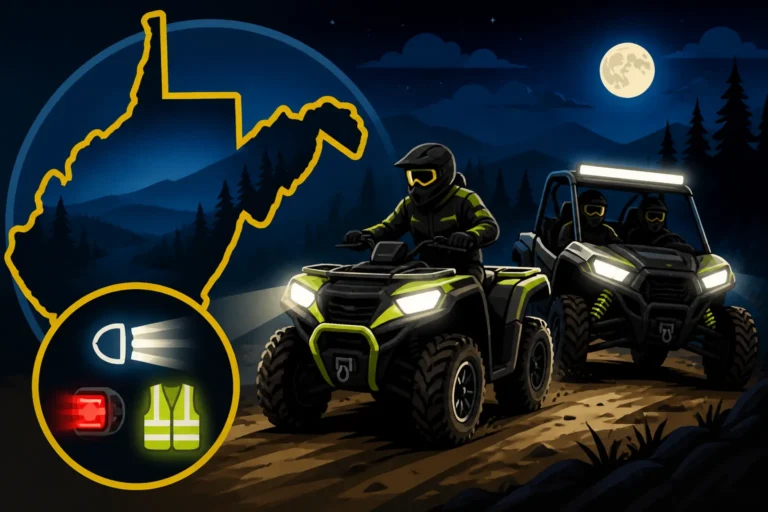
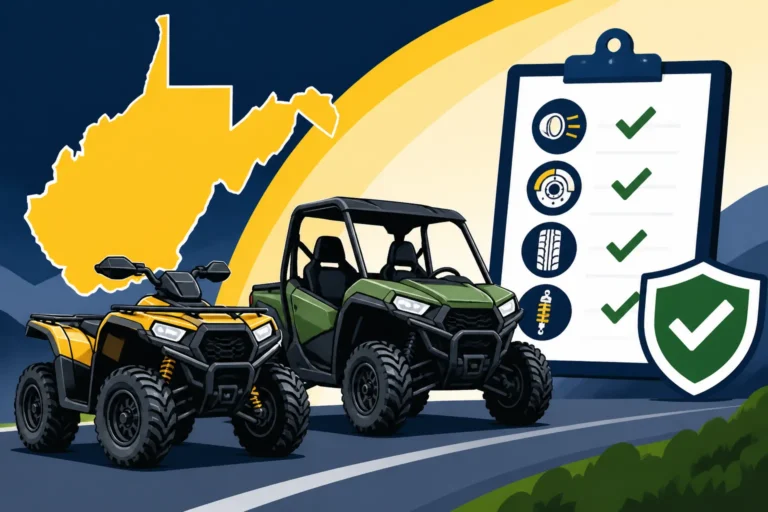
Making your ATV or UTV road-ready for an SPV plate isn't just about getting a plate; it's about a complete transformation of its capabilities. This isn't a suggestion; it's a legal requirement that your machine must meet before it can ever touch asphalt. First and foremost, you'll need proper lighting: headlights, taillights, brake lights, and turn signals for both front and rear. These are non-negotiable for visibility, especially if your commute involves early mornings or late evenings. You also need a horn to alert other drivers and pedestrians, something many off-road machines lack as standard. Mirrors are also critical, providing the rearward visibility necessary to safely change lanes or merge into traffic. Many riders turn to aftermarket suppliers like SuperATV for comprehensive conversion kits that bundle these essential components, including wiring harnesses and switches, to ensure everything integrates smoothly and is up to spec.
Beyond the visible components, your tires are a huge factor. Off-road knobbies are fantastic for mud and rocks, but they wear out incredibly fast and offer poor traction on pavement, especially in wet conditions. You'll need DOT-approved tires, designed specifically for road use, which provide better grip, longer lifespan, and a smoother, quieter ride. A windshield is another item on the list, protecting you from road debris and bugs – a surprisingly big deal when you're not wearing a full-face helmet. For a full breakdown, check out [Equipment a West Virginia SPV Must Carry]. Thinking about your tire upgrade? Consider specialized [DOT Tires for a Street-Legal Side-by-Side] that are specifically designed to handle the wear and tear of pavement. Likewise, ensuring you have robust and compliant [Mirror Requirements on a West Virginia Street-Legal Machine] is essential for safe operation, and when the sun sets, understanding [Lights Required After Dark in West Virginia] will keep you out of trouble.
Driver Licensing, Insurance, and Age Requirements
Just because you're riding a smaller, more open vehicle doesn't mean the rules for operating it on public roads are relaxed. Far from it. When you're driving an SPV on a West Virginia public road, you are considered a motor vehicle operator, subject to the same licensing and insurance requirements as someone driving a car or truck. This means you absolutely need a valid, standard driver's license. A learner's permit or an off-road safety certificate won't cut it for legal road use. Don't risk getting caught without the proper credentials; the penalties can be severe.
Insurance is another critical piece of the puzzle. Just like your car, your street-legal ATV or UTV must carry adequate liability insurance. This protects you and others in case of an accident. While minimum liability coverage is often all that's legally required, many riders opt for more comprehensive policies, especially given the increased risk of road riding and the often-higher cost of UTVs. It’s always smart to check with several insurance providers to ensure you’re getting the right coverage for your specific machine and usage. [Insurance a West Virginia Street-Legal Machine Needs] will detail the minimums you must carry.
Finally, age restrictions apply not just to who can ride on trails but also to who can operate a street-legal machine on public roads. Generally, you need to be old enough to hold a valid driver's license, which in West Virginia means at least 16 years old. Passengers also have rules, especially for minors. It's essential to be clear on [West Virginia ATV Road Riding Age Minimum] and [Driver's License Rules for West Virginia Road Riding] before anyone gets behind the wheel or hops in as a passenger for your commute.
| SPV Requirement | Description | Why It's Crucial for Commuting |
|---|---|---|
| SPV Plate | State registration and plate | Legal authorization to use public roads. |
| DOT Tires | Road-rated tires | Safety, traction, and durability on pavement. |
| Headlights/Taillights | Visible lighting (Hi/Lo beam) | See and be seen, especially at dawn/dusk. |
| Brake Lights | Activates when braking | Alerts drivers behind you to slow down. |
| Turn Signals | Front and rear indicators | Clear communication of lane changes/turns. |
| Horn | Audible warning device | Alert pedestrians and other drivers. |
| Mirrors | Rearview visibility | Essential for safe merging and lane changes. |
| Windshield | Protection from debris | Safety and comfort from road hazards. |
| Valid Driver's License | State-issued license | Legal right to operate a motor vehicle on roads. |
| Insurance | Liability coverage | Financial protection in case of an accident. |
Navigating the Daily Grind: Practicalities of Commuting on Four Wheels
So, your machine is street-legal, and you've got your license and insurance. Great! Now, let's talk about what actually riding to work on an ATV or UTV looks like. It's not just about getting from point A to point B; it's about safety, comfort, and navigating the unique challenges these machines present on regular roads. The open-air experience might be exhilarating, but it also comes with practical considerations that your daily driver typically handles without a second thought.
Route Selection and Avoiding Restricted Roads
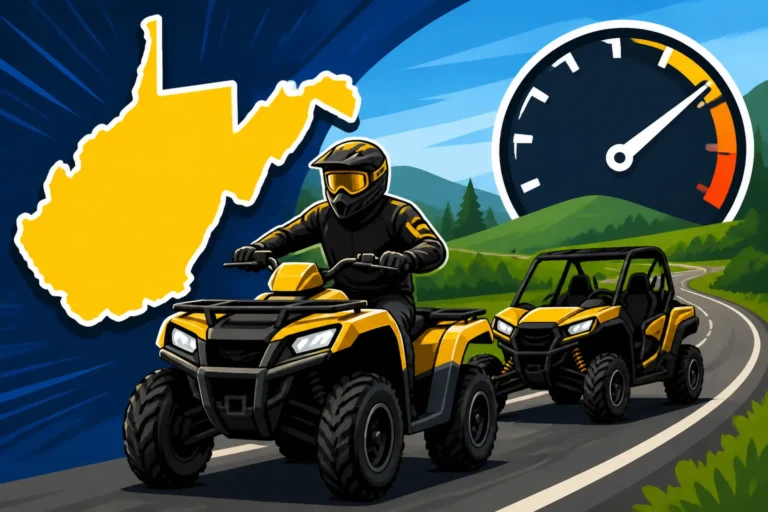
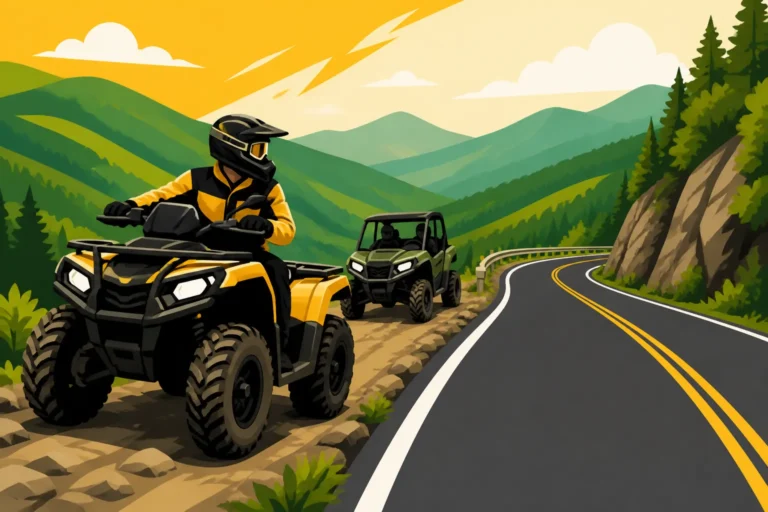
One of the biggest practical considerations for commuting on an SPV in West Virginia is choosing your route wisely. Our state laws for SPVs come with specific restrictions on where you can ride. You're typically limited to roads with a posted speed limit of 50 mph or less, and many routes have a strict 25 mph speed cap for SPVs. This means busy highways, interstates, and divided multi-lane roads are generally off-limits. You'll need to meticulously plan your commute to stick to secondary roads, county routes, and town streets.
Furthermore, West Virginia law includes what's known as the "20-mile centerline rule" for SPVs on secondary roads, meaning you can generally only ride on roads that don't exceed 20 miles in total length without a centerline. While this primarily applies to how roads are designated, it reinforces the idea that extensive highway travel is not intended for these vehicles. The common "10-mile, 25 mph road rule" is also crucial to understand. This often means your road sections for connecting trails or getting into town are limited in distance and speed. For detailed rules on this, consult [West Virginia's 10-Mile, 25 mph Road Rule] and [West Virginia's 20-Mile Centerline Limit for an SPV]. It's crucial to understand [West Virginia Rules for Divided Highways] to avoid penalties, as these are often strictly forbidden for SPVs. Your commute will likely be slower, potentially taking longer than in a car, so factor that into your schedule. Be aware that the [West Virginia ATV Speed Limit on a Public Road] is strictly enforced, and you should always adhere to it.
Comfort, Cargo, and Weather Challenges
Think about your typical car commute: climate control, comfortable seats, a trunk for your briefcase, and protection from the elements. An ATV or UTV, even a street-legal one, offers a vastly different experience. Most off-road machines have open cabs, meaning you're fully exposed to the weather. Rain, wind, cold temperatures, or even scorching summer sun can make a daily commute genuinely unpleasant. While you can add enclosures, heaters, or even aftermarket air conditioning to some UTVs, these upgrades add significant cost and still might not provide the same level of comfort as a passenger vehicle.
Then there's the cargo. If your job requires carrying a laptop, important documents, or a change of clothes, you'll need secure, weatherproof storage. Many ATVs have small racks, and UTVs might have a small bed, but these are often open to the elements and not designed for securing delicate items. You might need to invest in durable, waterproof storage boxes or bags. Consider how you'll keep your lunch from getting squashed or your work essentials dry. Some companies like SuperATV offer robust storage solutions, ranging from cargo boxes for the bed of your UTV to under-seat storage that can keep your items secure and out of sight. Remember, it's not just about getting your machine to work, but getting you and your belongings there comfortably and intact.
Enhanced Safety Measures for Road Commuting
Even with all the required safety equipment, riding an SPV on public roads demands a heightened level of awareness and additional safety practices. You are on a smaller, lighter, and often slower vehicle, sharing the road with much larger, faster cars and trucks. Visibility is your best friend. Always wear bright, reflective clothing, even during the day, to stand out. Consider adding reflective tape to your machine or helmet for extra conspicuity, especially if you're commuting in low-light conditions.
While West Virginia law might not mandate helmets for adults operating SPVs on all roads, wearing one is unequivocally the smartest decision you can make. A DOT-approved full-face helmet offers superior protection in a crash and protects you from wind, bugs, and road debris. Eye protection is also non-negotiable, whether it's a helmet visor or goggles, to shield your eyes from dust, wind, and projectiles. Always practice defensive driving: anticipate the actions of other drivers, maintain safe following distances, and be prepared for sudden stops. Your agility is an asset, but it shouldn't be relied upon to compensate for the inattention of others. Even if not legally required for your age, reviewing [West Virginia Helmet Rules for Riders Under 18] can remind you of best practices. Furthermore, selecting the right [Eye Protection on a West Virginia Road Ride] is crucial for clear vision and safety from debris.
Local Rules, Enforcement, and Machine Longevity
Beyond state-level regulations, you also need to factor in local rules, the realities of law enforcement, and how daily road use will affect your machine. West Virginia's towns and counties have a degree of autonomy, and what's permissible in one area might be restricted in another. Understanding these layers of regulation and the practical impact on your machine will ensure your street-legal commute remains a sustainable and enjoyable option.
Town-Specific Ordinances and Parking
While West Virginia state law outlines the broad parameters for SPVs, individual municipalities can enact their own ordinances regarding ATV and UTV use within their town limits. Some communities, particularly those in trail-friendly regions, have embraced these vehicles and have clear rules for street access, parking, and speed limits. Others may be less accommodating or have specific restrictions, even if your machine is fully street-legal under state law. It's absolutely crucial to research the specific ordinances of your hometown and your workplace's town. Don't assume that just because you have an SPV plate, you can ride anywhere. Some towns might restrict ATVs/UTVs to certain streets or have specific parking requirements that differ from regular vehicles. Knowing [How a West Virginia Town Becomes ATV-Friendly] can give you an idea of the varying approaches. You might find parking spots specifically designated for larger trucks with trailers, but perhaps not for SPVs, making your arrival at work a bit of a puzzle.
What to Expect from Law Enforcement and Staying Compliant
Law enforcement in West Virginia, particularly in areas where off-road riding is popular, is generally familiar with SPVs. However, their primary goal is ensuring public safety and compliance with all laws. This means you should expect to be held to the same standards as any other motorist. Deputies will be looking for proper licensing, current registration (your SPV plate), proof of insurance, and all required safety equipment in working order. They also pay close attention to the 25 mph speed limits on specific roads and the general rule against riding on prohibited routes.
Always carry your driver's license, proof of insurance, and vehicle registration (title or a copy is usually sufficient) with you. Make sure your SPV plate is clearly visible and clean. If you're pulled over, be polite, cooperative, and provide all requested documentation. Trying to argue about the nuances of SPV law on the side of the road is rarely productive. Regular checks of your machine, including your lights, horn, and mirrors, will ensure you pass any impromptu inspection. Knowing the common [Tickets West Virginia Deputies Write for Road Riding] can help you avoid simple mistakes. Your machine also needs to pass [West Virginia Inspection Rules for a Street-Legal Machine] periodically, so keep it in top condition.
Maintaining Your Machine for the Unique Demands of Road Use
Your ATV or UTV was likely designed for rugged off-road conditions, not the continuous, high-speed (relatively speaking) grind of pavement. Commuting on asphalt puts different stresses on your machine than trail riding. Road tires, while DOT-approved, will still wear faster than car tires due to the lighter weight and specific tire compounds. Your engine and drivetrain, often tuned for lower speeds and higher torque, will experience different loads and heat cycles during sustained road travel. Regularly inspect your tires for wear, and maintain proper pressure for road conditions, which might be higher than for the trail.
Your suspension, while robust for bumps and jumps, might feel stiffer or less comfortable on pavement, transmitting more road imperfections directly to you. Pay close attention to your brakes; they’ll get more use and heat on the road, so ensure pads and fluid are in excellent condition. Furthermore, parts like ball joints, tie rods, and wheel bearings that take a beating off-road will still need regular inspection and maintenance, perhaps even more frequently if your commute is long or involves rougher secondary roads. Companies like SuperATV offer heavy-duty replacement parts that can withstand the rigors of both trail and road, offering enhanced durability. Regular oil changes, air filter checks (especially if your commute involves dusty roads), and general preventative maintenance become even more critical to ensure reliability and longevity when your off-road machine becomes your daily driver.
Disclaimer
This article is for general informational purposes only and does not constitute professional advice. Laws, prices and regulations vary by location and change over time. Consult a qualified professional for guidance on your specific situation.