Crossing a West Virginia Highway on an ATV
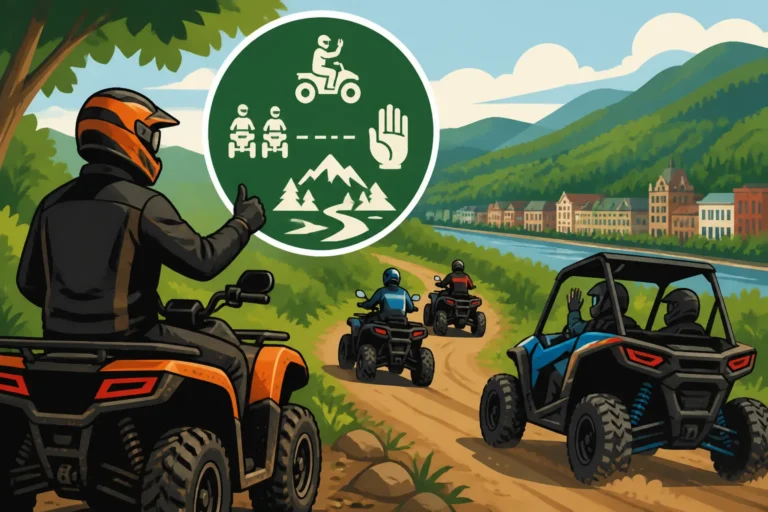
It's incredibly frustrating when you're out enjoying West Virginia's amazing ATV trails, only to find a major highway acting like an uncrossable wall, forcing you to turn back or take a huge detour. You just want to get from one section of trail to another, or maybe grab a bite to eat in a nearby trail town, but the thought of navigating high-speed traffic on your machine can be daunting and confusing. This guide is here to demystify the rules and best practices for legally and safely crossing a West Virginia highway on your ATV or UTV, so you can connect those rides with confidence and avoid trouble.
Understanding West Virginia's ATV Highway Crossing Laws
West Virginia has carved out some specific allowances for ATV and UTV riders, recognizing the importance of these machines to recreation and local economies. However, these aren't free passes to ride wherever you please. When it comes to crossing major highways, there are clear, strict rules you absolutely need to know and follow to stay safe and legal. It’s not about finding loopholes, but understanding the boundaries.
What Constitutes a Legal Crossing?
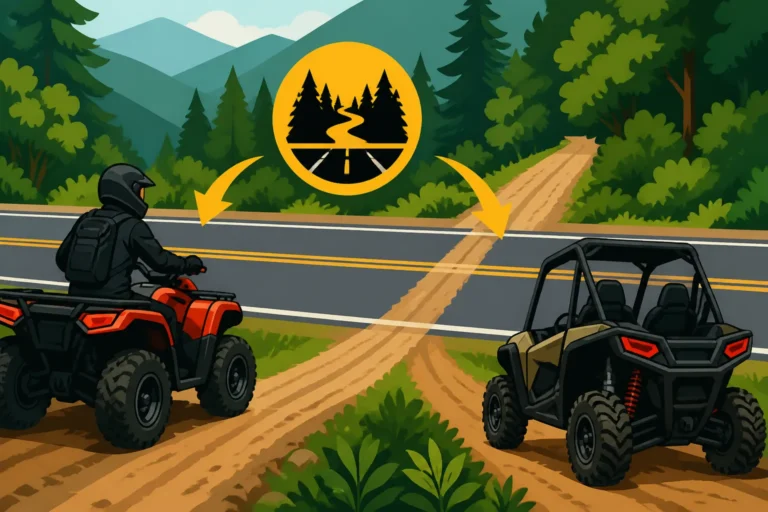
The heart of West Virginia's law regarding ATV highway crossings is centered on necessity and efficiency. You can’t just cruise along a highway for miles because it’s a shortcut. The law generally permits the operation of an ATV or UTV across a public street or highway, but only under very specific circumstances: you must cross at an angle of approximately 90 degrees to the roadway, and at a place where your view of approaching traffic is unobstructed. Crucially, this must be the most direct route to continue your ride or reach an authorized destination. This isn't permission for a joyride on the asphalt; it's about connecting the dots in your trail system. If you're trying to figure out how to get from one section of the Hatfield-McCoy Trails to another, and a state highway stands in your way, you'll need to identify the safest, most direct point to cross. Keep in mind that these rules are often aimed at minimizing the time you spend on paved, high-traffic roads, prioritizing your safety and that of other motorists.
Another critical piece of this puzzle is that you can only cross a highway if it's necessary to access another approved riding area or an authorized ATV-friendly community. It’s not for casual travel. This means if you're riding a [West Virginia's 10-Mile, 25 mph Road Rule] section of county road, you might be allowed to cross a larger highway if it links two parts of a trail system, but not to simply drive across town. The intent is always to facilitate access to off-highway riding, not to integrate ATVs into general road traffic. For example, if you're on a trail that suddenly ends at a state route and picks up again on the other side, that's a prime candidate for a legal crossing. Always think: "Am I getting to another trail or authorized riding spot?" If the answer is no, then crossing a highway might not be legal in your specific situation.
Highways Versus Other Public Roads
It's vital to differentiate between a major highway, like a four-lane divided highway, and smaller public roads, such as county routes or paved roads within designated trail towns. West Virginia's rules for ATVs on public roads are not a one-size-fits-all situation. While crossing a major highway is tightly restricted, some trail towns explicitly allow ATVs and UTVs on their municipal streets, often with speed limits and specific hours of operation. These are often the places where you can ride directly to a gas station or restaurant.
For instance, the rules for [West Virginia's 10-Mile, 25 mph Road Rule] apply to many unmarked county roads or secondary state routes that don't have a centerline, allowing for limited travel. However, a multi-lane, divided highway is an entirely different beast. [West Virginia Rules for Divided Highways] generally prohibit any sustained riding. Your interaction with these roads should be minimal – a swift, direct crossing, then you're back off the pavement. It's crucial to understand that even if a town is ATV-friendly, it doesn't automatically mean all roads within its limits are fair game, especially larger state or federal highways that pass through it. Always check local ordinances and signs. The distinction is about risk and traffic volume; the higher the speed limit and the more lanes of traffic, the more restrictive the rules become for ATV operators, and for good reason—safety.
Safety First: Preparing for a Highway Crossing
Even with legal permission, crossing a busy highway on an ATV is inherently risky. You're on a much smaller, slower vehicle than the cars and trucks zipping by. Preparation isn't just a good idea; it's absolutely essential to minimize that risk for yourself and everyone else on the road. Don't just wing it; have a plan.
Essential Equipment and Machine Checks
Before you even think about putting tires on pavement, your machine needs to be in top condition and equipped for road use, even if it's just for a quick dash across. First and foremost, check your brakes. Are they working perfectly? You'll need every bit of stopping power if a situation arises. Your tires should be properly inflated and in good condition; you don't want a flat or a blowout while navigating traffic. Ensure all your lights are working—headlights, taillights, and brake lights. Visibility is paramount, especially if conditions are anything less than bright sunshine.
Consider adding reflective tape or decals to your machine, especially if it's a darker color. Think about what a company like SuperATV offers in terms of lighting upgrades or safety flags that can make you more noticeable. Even during the day, anything that makes you stand out to fast-moving traffic is a bonus. Your exhaust system should have a spark arrester, and your muffler should be in good working order to keep noise down and adhere to regulations. Some riders even carry a small, portable safety flag to enhance their visibility, especially if they are cresting a hill or emerging from a wooded area. The goal is to be seen and heard in a controlled manner, not to surprise anyone.
Personal Protective Gear and Visibility
Your personal safety gear is just as important as your machine's readiness. A DOT-approved helmet is non-negotiable. Not only is it legally required for certain riders, but it's your primary defense in case of an accident. [West Virginia Helmet Rules for Riders Under 18] clearly outline requirements, but adults should wear them too, especially when venturing near roads. Eye protection, whether it's goggles or a face shield, is also critical to protect against debris, wind, and glare, ensuring you maintain clear vision throughout your crossing.
Beyond the helmet and eye protection, think about what you're wearing. Bright, high-visibility clothing can make a huge difference. Neon colors, reflective vests, or even a simple bright jacket can help motorists spot you much sooner. Remember, you're relatively small compared to a car, and you blend in easily with natural surroundings. When you're about to pop out onto a highway, you need to scream "I'm here!" to approaching drivers. It's not about fashion; it's about survival. Every second a driver has to react to your presence is a second that could prevent a serious incident.
Executing the Crossing Safely and Legally
This is where the rubber meets the road—literally. Crossing a highway demands your full attention, a clear head, and strict adherence to the rules. This isn't the time for casual chatter or distractions; it's a precision maneuver.
Assessing Traffic and Conditions
Before you even approach the edge of the pavement, you need to conduct a thorough assessment of the traffic. Find a spot where you have a clear, unobstructed view of the highway in both directions. This means no blind curves, no crests of hills, and no heavy foliage blocking your line of sight. Wait for a significant gap in traffic, one that allows you ample time to cross safely without feeling rushed or forcing another vehicle to slow down or swerve. Remember, you might not accelerate as quickly as a car, so give yourself extra space.
Consider the road conditions as well. Is it raining? Is the pavement wet or icy? These factors significantly increase braking distances for cars and reduce your machine's traction. Is it dusk or dawn? Visibility is often compromised during these times. If conditions are poor, or if the traffic is too heavy, the safest decision might be to find an alternative route, wait for better conditions, or even turn back. No crossing is worth risking your life. This careful assessment is paramount, and it's a skill you develop with experience, but it starts with patience and a commitment to safety.
The 90-Degree Rule and Right-of-Way
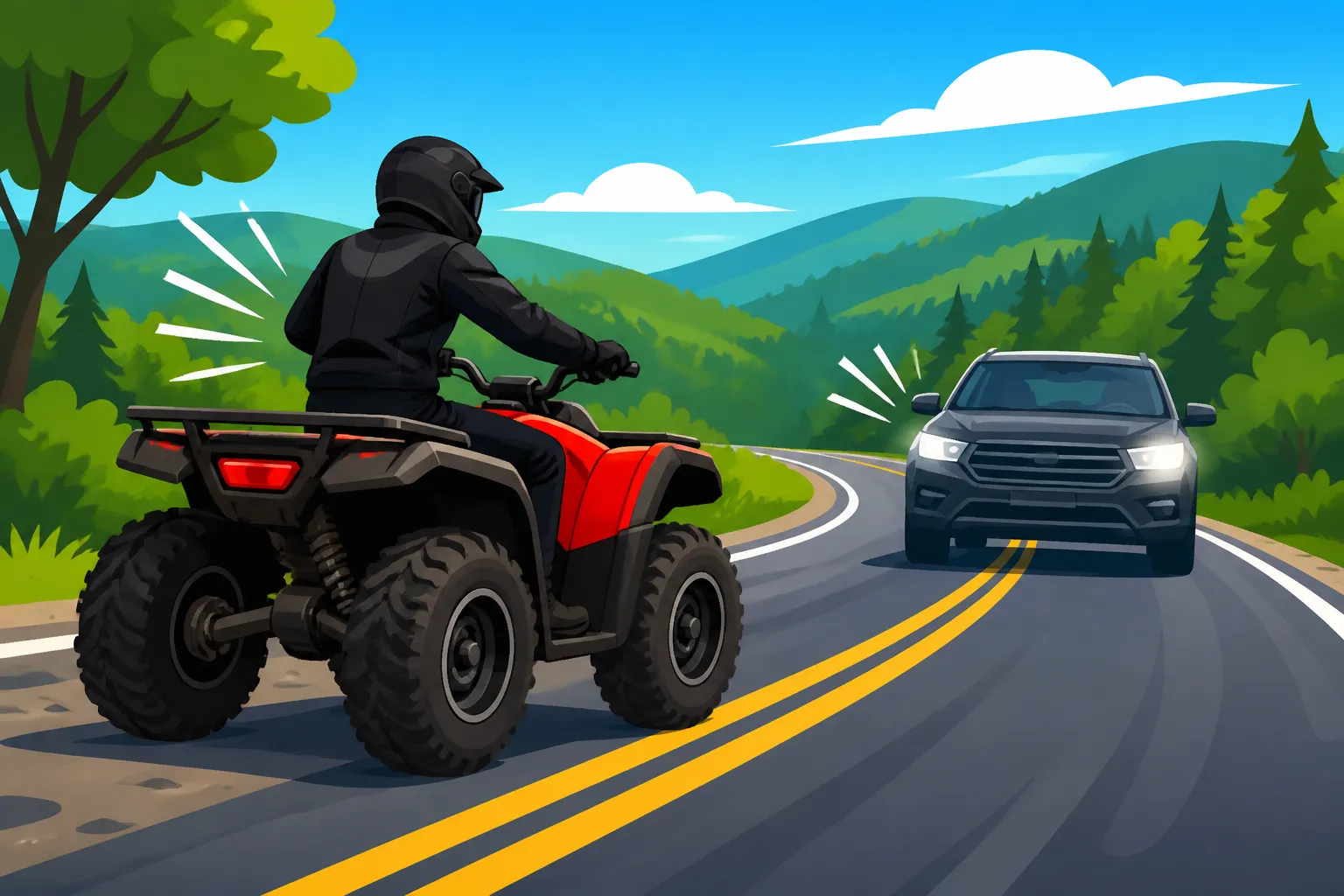
When you finally decide to make your move, execute the crossing swiftly and directly, at an approximate 90-degree angle to the roadway. This minimizes the distance and time you spend in the travel lanes. Do not attempt to ride along the highway for any distance before or after your crossing, unless you are on a specifically designated [West Virginia's Street-Legal Special Purpose Vehicle Plate] or within an approved ATV-friendly town. The intent is to get across the danger zone as quickly as possible.
You must also yield the right-of-way to all oncoming traffic. This means you wait until it is absolutely clear. Do not assume drivers see you or will slow down for you. Even if you think you have time, if a vehicle is approaching at highway speeds, they close distances incredibly fast. A driver might not see you until the last second, especially if they're distracted. Make eye contact with drivers if possible, and ensure they acknowledge your presence before you proceed. Remember, an ATV operator always has the greater responsibility to ensure a safe crossing when entering a highway, as you are the one entering the flow of high-speed traffic. Being cautious and defensive is key to a safe crossing.
What Happens If You Don't Follow the Rules?
Ignoring West Virginia's ATV highway rules can have serious consequences, ranging from costly fines to severe personal injury or worse. It’s not just about getting a ticket; it’s about putting yourself and others in harm’s way.
Fines and Legal Penalties
If you're caught operating an ATV illegally on a West Virginia highway, whether it's riding along it or crossing it improperly, you can expect to face significant fines. These aren't just minor parking tickets; they can add up quickly. Law enforcement takes these violations seriously because of the inherent danger involved. Beyond the immediate financial penalty, repeated offenses or particularly egregious violations could lead to more severe consequences, potentially including the impoundment of your ATV. Imagine having your machine towed away in the middle of a ride – not only is it an inconvenience, but the retrieval costs can be substantial.
Furthermore, if your illegal operation contributes to an accident, you could be held liable for damages, injuries, and even face criminal charges depending on the severity of the incident. This is why understanding the rules, like those for [Driver's License Rules for West Virginia Road Riding] and [West Virginia ATV Accident Reporting Rules], is so vital. It's not just about protecting your wallet; it's about protecting your freedom and your future. Don't let a moment of impatience or ignorance cost you far more than you bargained for.
The Risk of Accidents and Injuries
The most severe consequence of not adhering to highway crossing rules is the increased risk of an accident. ATVs and UTVs are designed for off-road use, not for highway speeds or navigating alongside heavy traffic. They have different handling characteristics, less protection, and are far less visible than standard vehicles. When you mix these machines with cars and trucks traveling at 55 mph or more, the results can be catastrophic. Even a minor collision at high speeds can lead to severe injuries or fatalities for ATV riders.
Think about the vulnerability: there's no steel cage, no airbags, no crumple zones. You are exposed. [Equipment West Virginia Requires on a Road Ride] is minimal compared to what a car provides. Hospital bills, long-term recovery, and the emotional toll on you and your loved ones are far more devastating than any fine. Beyond your own well-being, you also put other motorists at risk. A sudden, unexpected ATV on a highway can cause other drivers to swerve, leading to multi-vehicle accidents. Riding responsibly and safely is not just a personal choice; it's a public safety imperative.
Beyond the Crossing: Limited Road Riding Options
While highway crossings are generally brief and restricted, West Virginia offers more flexibility for ATVs and UTVs on certain other types of public roads. Understanding these options can greatly enhance your riding experience, allowing you to connect trails and access amenities in various communities.
ATV-Friendly Towns and Designated Routes
One of the greatest advancements for ATV enthusiasts in West Virginia has been the rise of "trail towns" that welcome off-road vehicles on their streets. These towns, often nestled close to the Hatfield-McCoy Trail Systems, have specific ordinances allowing ATVs and UTVs to operate on designated municipal roads, typically with posted speed limits (often 20-25 mph) and specific hours. This means you can ride directly from a trailhead, down a town street, to a gas station, restaurant, or even your lodging. This access is a game-changer, eliminating the need to trailer your machine for every short trip.
It's essential to understand that even within these ATV-friendly towns, certain roads might still be off-limits, particularly larger state or federal highways that pass through the community. Always look for signage and adhere to local rules. These designations are why places like Gilbert, Man, and Matewan have become so popular with riders – they truly embrace the ATV culture. These are not places where you'd be [Crossing a Four-Lane West Virginia Highway on a Quad] for long distances, but rather where you can enjoy the convenience of accessing town amenities on your machine. Always check the specific town's ordinances, as rules can vary slightly from one community to another.
Special Purpose Vehicles (SPV) and Registration
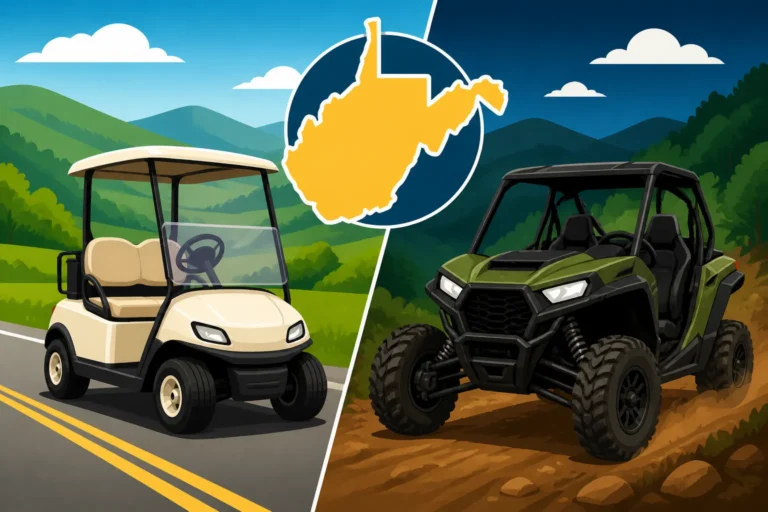
For those who want more extensive road-riding capabilities, West Virginia offers the Special Purpose Vehicle (SPV) designation. This allows a UTV or side-by-side to become "street-legal" by meeting specific equipment requirements and undergoing a registration process. An SPV can then be operated on any public road where the speed limit is 55 mph or less, provided it adheres to all traffic laws, including those for [West Virginia's 20-Mile Centerline Limit for an SPV] on roads without a centerline.
Converting your UTV to an SPV involves installing DOT-approved tires, a windshield, horn, mirrors, turn signals, and sometimes even a parking brake. Companies like SuperATV offer a range of conversion kits and individual components designed to help UTV owners meet these requirements. While this opens up many more miles of public roads for travel, it's a significant commitment and comes with its own set of responsibilities, including [Insurance Required for a West Virginia SPV Plate] and potentially inspections. This option is generally for serious enthusiasts who regularly need to traverse public roads to access remote trail systems or for those who use their machines for utility purposes that require road travel. It's a different category altogether than a quick highway crossing for an off-road only machine.
Comparing Road Access Options in West Virginia
Here's a quick overview of the different ways ATVs and UTVs can interact with West Virginia's roads:
| Feature | Standard ATV/UTV (Off-Road Only) | ATV-Friendly Town Roads | Special Purpose Vehicle (SPV) |
|---|---|---|---|
| Highway Crossing | Limited to direct, 90-degree crossings for trail access. | Limited to direct, 90-degree crossings, generally. | Allowed for travel where speed limit is 55 mph or less. |
| Riding Along Roads | Generally prohibited. | Allowed on designated municipal streets with limits (e.g., 25 mph). | Allowed on public roads 55 mph or less. Must follow all traffic laws. |
| Equipment Needs | Basic safety gear. | Basic safety gear, sometimes local town requirements. | Extensive street-legal conversion (lights, horn, mirrors, DOT tires, etc.). |
| Registration/License | ATV title required. | ATV title required. | Full vehicle registration and driver's license required. |
| Insurance | Not typically mandated for trails, but recommended. | Not typically mandated for trails, but recommended. | Mandatory for road use. |
| Primary Use Case | Connecting trail sections, emergency. | Accessing town amenities, linking trails. | Extended road travel, utility use, trail access. |
Understanding these distinctions is key to a safe and legal riding experience across the Mountain State. Whether you're making a quick dash across a highway or planning a longer road section, always prioritize safety and compliance with the law.
Disclaimer
This article is for general informational purposes only and does not constitute professional advice. Laws, prices and regulations vary by location and change over time. Consult a qualified professional for guidance on your specific situation.