Riding the Right Edge of a West Virginia Road
Navigating the winding roads of West Virginia on your ATV or UTV can be an absolute blast, connecting you to trails and trail towns. But let's be real, mixing off-road machines with public roads comes with its own set of rules, and sometimes, those rules feel a little fuzzy, especially when it comes to exactly where you're supposed to be on the pavement. Many riders get frustrated trying to understand precisely what "ride the right edge" means in practice, and how to do it safely without causing issues or getting a ticket. This guide is here to clear up that confusion, diving deep into West Virginia's requirements for riding the far right side of the road and offering practical advice to keep you legal and safe.
Understanding West Virginia's Road Riding Rules for ATVs and UTVs
West Virginia's legislature has carved out some unique pathways for ATV and UTV riders to legally access public roads, primarily to connect trails within our incredible trail systems or access local businesses in ATV-friendly towns. However, these privileges come with strict guidelines, and one of the most fundamental is the mandate to "ride the right edge" of the roadway. This isn't just a suggestion; it's a critical safety and legal requirement that all riders must understand and adhere to.
The "Right Edge" in Context: What Does It Actually Mean?
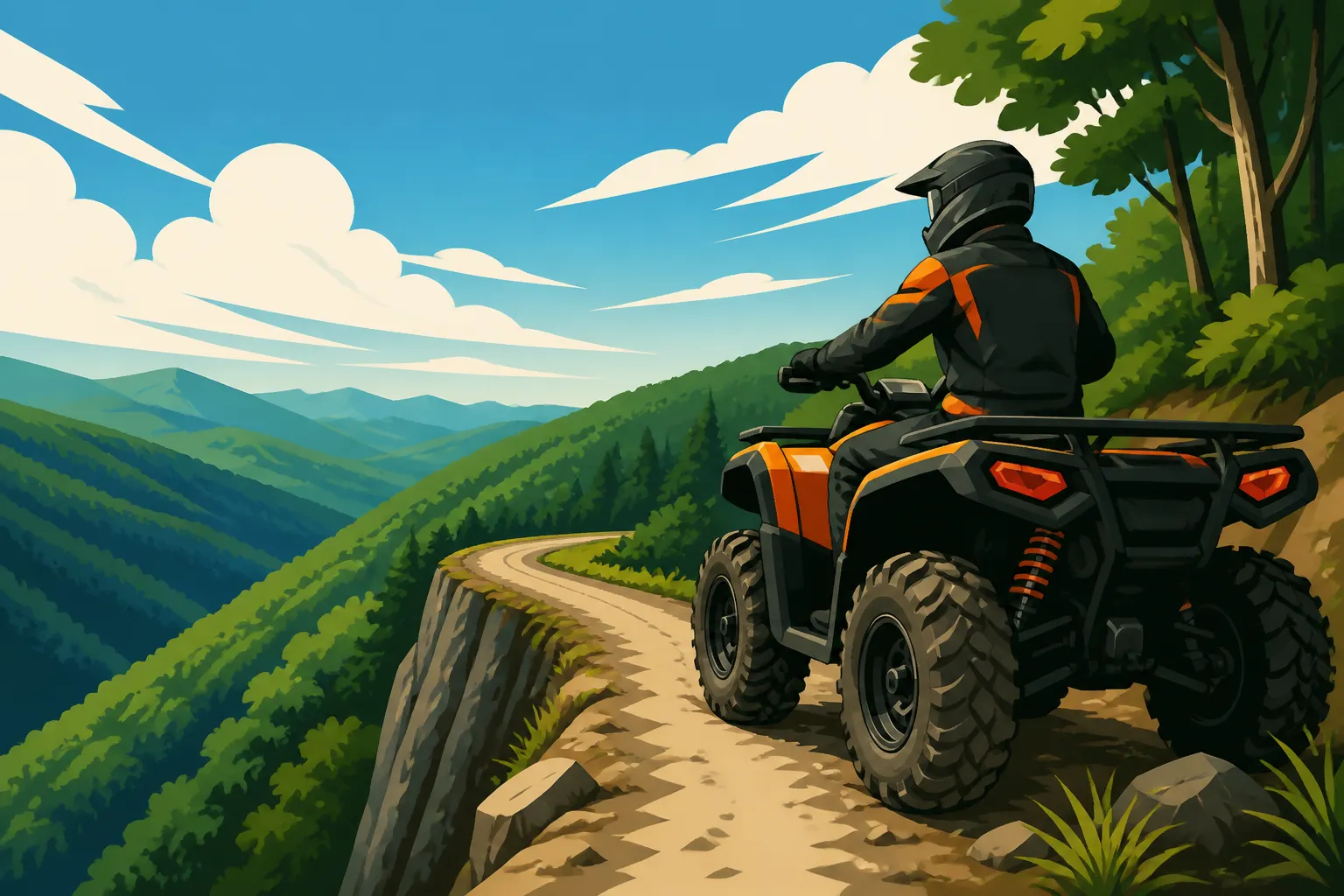
When the law states you must ride on the "right edge" of the roadway, it literally means you need to stay as far to the right as is safely possible. Imagine you're driving a car; you'd stay in your lane, but for an ATV or UTV, you're essentially using the very far right portion of that lane, often near the white fog line if one exists. This isn't about riding off the paved or graveled surface of the road, but rather occupying the outermost part of the travel lane itself.
This rule is paramount for several reasons, primarily safety. Our machines are often smaller and slower than conventional vehicles, and staying to the right maximizes the space available for cars and trucks to pass you safely. It minimizes the risk of head-on collisions and provides a clear expectation for other drivers about your position on the road. Without this clear rule, riders might weave, causing confusion and danger for everyone. You might think, "Well, I'm just going a short distance," but even a few hundred feet of improper road positioning can lead to a dangerous situation. It's about respecting the shared space and ensuring that everyone, from the trail rider to the delivery truck driver, can navigate the roads predictably. It’s also important to remember that this "right edge" rule generally applies to roads without a centerline. For roads with a visible centerline, the rules can be different. We'll delve more into that soon.
The 10-Mile, 25 mph Limit: How This Rule Impacts Your Right-Edge Riding
One of the cornerstone regulations for ATV and UTV road access in West Virginia is the [West Virginia's 10-Mile, 25 mph Road Rule]. This rule dictates that you can only operate your machine on eligible public roads for a maximum of ten consecutive miles, and your speed cannot exceed 25 miles per hour. This limitation directly impacts your strategy for riding the right edge.
Since you're capped at 25 mph, you'll naturally be traveling slower than most other traffic. This makes adherence to the "right edge" even more crucial. You're not trying to keep up with the flow; you're trying to allow the flow to pass you safely. Picture yourself on a two-lane county road, perhaps one connecting the Rockhouse Trail System to a gas station in Gilbert. You’re on the far right, well below the speed limit, giving a wide berth to any vehicle approaching from behind or coming at you. If you were to drift left, even slightly, at 25 mph, you could surprise a driver looking to pass, especially on a curve. The combination of slow speed and staying right is a foundational principle of legal and safe road riding in West Virginia. This rule emphasizes that road riding is generally for utilitarian purposes—getting from point A to point B on the trails, not for joyriding on the pavement. So, when you're making those connections, every mile counts, and every inch to the right matters.
Practical Strategies for Riding the Right Edge Safely
It's one thing to know the rule, and another to execute it perfectly, especially given the diverse conditions of West Virginia's roads. From gravel backroads to paved two-lanes, maintaining that "right edge" isn't always as simple as it sounds.
Maintaining Visibility and Control: How to Ensure You're Seen and Stable
Riding the right edge safely means being both seen and stable. First, let's talk about being seen. Our machines are smaller, and a car approaching from behind might not spot you as quickly as they would another car. This is where visibility becomes paramount. Always make sure your headlights and taillights are functioning, even during the day. Consider adding reflective tape to your machine or wearing bright, high-visibility clothing. Some riders even install additional amber or red lights, particularly useful if you're using aftermarket parts from companies like SuperATV that offer robust lighting solutions designed for off-road but suitable for road sections. The goal is to make yourself as conspicuous as possible to other motorists who might not expect to see an ATV or UTV on their local roads.
Now, for stability. While you want to stay as far right as safely possible, you also need to be mindful of road conditions. The very edge of many rural roads can be rough, crumbling, or have a soft shoulder. Riding too close to the absolute edge could lead to losing control, particularly if your tires drop off the pavement or hit a significant pothole. Your focus should be on the safest part of the far right lane. This might mean you're a foot or two from the absolute edge if the pavement there is unstable. It’s a judgment call based on conditions, prioritizing your stability while still giving ample room to other traffic. Speed management, as discussed, is also key here. You're at 25 mph, so you have more time to react to hazards at the road's edge. But remember that loose gravel or a sharp drop-off can still catch you off guard. Always be looking ahead, scanning the road for potential dangers.
Navigating Intersections and Turns: Challenges of Staying Right
Intersections and turns present unique challenges when trying to stick to the right edge. When approaching a right turn, you’ll want to hug the right side of your lane, signal clearly, and make your turn. For left turns, things get a bit more complex, especially if you're on a two-lane road. You can't just swing out into the oncoming lane. West Virginia law generally states you should approach left turns from the right side of the road, and then execute the turn when it's safe, making sure not to impede oncoming traffic. This might mean waiting for a clear break in traffic, or even pulling slightly off the road (if safe to do so) and waiting for a completely clear path.
It's critical to be exceptionally cautious, use your turn signals, and ensure oncoming and following traffic understand your intentions. If your machine isn't equipped with turn signals (which is often the case unless it's a street-legal Special Purpose Vehicle or an aftermarket conversion), clear hand signals are a must. Remember, other drivers might not anticipate an ATV making a slow left turn. Therefore, communication of your intent is critical. Some of the [Equipment West Virginia Requires on a Road Ride] for an SPV plate includes turn signals, which greatly aids in these situations.
Dealing with Traffic: Sharing the Road with Larger Vehicles
Sharing West Virginia's roads with larger vehicles, from logging trucks to family sedans, requires a heightened sense of awareness. When you're riding the right edge, you're essentially conceding the main travel lane to faster traffic. Always be aware of vehicles approaching from behind. Use your mirrors frequently, and if you hear or see a vehicle closing in, maintain your straight line on the right edge. Don't swerve or make sudden movements. Allow them to pass you safely.
If a vehicle behind you seems hesitant to pass, or if you're on a road with limited visibility (like a blind curve), you might consider pulling over entirely if there's a safe, clear shoulder. This gesture of courtesy and safety can prevent frustration for other drivers and keep you out of harm's way. On narrow, winding mountain roads, this becomes even more vital. Large trucks often need the entire lane, and sometimes even more, to navigate turns. Being predictable and as far right as possible makes you a safer road user. Remember, while you have a legal right to be on certain roads, prioritizing safety and courtesy can make everyone's experience better and prevent incidents that could lead to [West Virginia ATV Ticket Costs].
Legal and Safety Considerations Beyond the Edge
While sticking to the right edge is a core rule, there are nuances and specific situations where the application of this rule, and the consequences of ignoring it, need to be fully understood.
When You Cannot Ride the Edge: Exceptions and Hazards
There are legitimate situations where rigidly adhering to the extreme right edge of the road could actually be more dangerous. Imagine a scenario where the shoulder is crumbling, there's a deep pothole, loose gravel, or even roadkill right on the fog line. In these instances, it would be unsafe and unwise to maintain that exact position. You are expected to exercise reasonable judgment.
In such cases, you should briefly and safely move slightly left into the main travel lane to avoid the hazard, then return to the right edge as soon as it's safe to do so. This isn't an excuse to cruise in the center of the lane, but rather a practical allowance for safety. Always check your mirrors before making any lateral movement and signal your intention if possible. Another instance might be on very narrow roads, especially those without a centerline, where the "edge" might be dangerously close to a ditch or a steep drop-off. Common sense dictates that you should prioritize your safety while still doing your best to leave ample room for other vehicles. The key is that any deviation from the right edge should be temporary, necessary, and executed with extreme caution.
Penalties for Improper Road Riding: What's at Stake
Ignoring West Virginia's road riding laws, including the "right edge" rule, can lead to more than just a stern warning. Law enforcement officers are vigilant, especially in trail towns and areas where ATV/UTV road access is common. Operating your machine improperly can result in citations, fines, and even the loss of riding privileges. Violations might include:
- Failure to keep to the right: Directly violating the rule we're discussing.
- Exceeding the 25 mph speed limit: Even a little over can earn you a ticket.
- Exceeding the 10-mile limit: Difficult for officers to track in real-time but can be inferred if you're far from known trailheads without a legal reason.
- Operating on prohibited roads: Such as a [West Virginia Rules for Divided Highways] or a road that's simply not designated for ATV access.
- Lack of required equipment: Like headlights, taillights, or an approved helmet for riders under 18.
Fines can vary, but they can quickly add up, turning a fun day into an expensive headache. Beyond the immediate financial penalty, repeated violations could impact your ability to ride on West Virginia's public lands or even lead to more severe legal consequences. It's not just about the money; it's about maintaining access for all riders. Every time someone breaks the rules, it jeopardizes the hard-won privileges that allow us to connect our trail systems.
Street-Legal Conversions and the Right Edge: How Modifications Affect Your Ride
For many enthusiasts, making their UTV or even an ATV street legal is the ultimate goal, allowing greater freedom on public roads beyond the 10-mile, 25 mph limit. West Virginia's Special Purpose Vehicle (SPV) plate program exists for this very reason. While an SPV grants you more flexibility regarding road use, it does not exempt you from the fundamental rule of riding the right edge. In fact, because SPVs are permitted on more types of roads and for longer distances, adhering to proper road positioning becomes even more critical.
A street-legal machine, often outfitted with a full windshield, DOT-approved tires, turn signals, mirrors, and a horn (many of these components might come from trusted suppliers like SuperATV), is designed to blend in better with conventional traffic. However, it's still wider, often slower, and handles differently than a car. So, while you're enjoying the enhanced capabilities of your [Making a UTV Street Legal in West Virginia], you still need to be a considerate and safe road user. This means always staying as far to the right as safely possible, especially on two-lane roads without centerlines, and always signaling your intentions. The purpose of these conversions is to allow you more road access, not to make you a more aggressive driver.
Equipment and Preparation for Safe Road Sections
Preparing your machine and yourself before hitting any public road section is just as important as knowing the rules. The right gear and a properly maintained vehicle are your first lines of defense against accidents and citations.
Essential Safety Gear: What You Need to Wear
When you're riding an ATV or UTV, especially on public roads, your personal safety gear is non-negotiable. It's not just about avoiding a ticket; it's about protecting yourself from serious injury.
- Helmets: If you're under 18, a helmet is legally required on West Virginia roads, even as a passenger. For adults, it's highly recommended. A DOT-approved helmet can literally be a lifesaver. Check out [West Virginia Helmet Rules for Riders Under 18] for specifics on age requirements.
- Eye Protection: Goggles or a face shield are crucial for protecting your eyes from dust, debris, bugs, and wind. On the road, even a small pebble kicked up by a passing car can cause significant injury. This is a common requirement for road riding, regardless of age. See [Eye Protection on a West Virginia Road Ride] for more details.
- Long Sleeves/Pants: While not always legally mandated for road riding, wearing long sleeves and pants, preferably made of durable material like denim or riding-specific gear, offers protection against scrapes and sun exposure.
- Gloves: Gloves improve grip, reduce fatigue, and provide protection for your hands in case of a fall.
- Sturdy Footwear: Boots that cover your ankles are ideal, protecting your feet and ankles from impacts and keeping them securely on the footrests.
Beyond these essentials, consider wearing bright, reflective clothing. This significantly increases your visibility to other drivers, especially during dusk, dawn, or in adverse weather conditions.
Machine Maintenance and Road Readiness: Ensuring Your ATV/UTV Is Up to the Task
Before you even think about putting a wheel on pavement, ensure your ATV or UTV is in tip-top shape. Road riding puts different stresses on your machine compared to trail riding, and you need to be confident in its mechanical integrity.
- Tires: Check tire pressure. While you might run lower pressures for optimal off-road grip, you'll want to inflate them closer to the manufacturer's recommended road pressure (often found on the tire sidewall or in your owner's manual) for better handling and wear on pavement. Inspect tires for excessive wear, cracks, or punctures. If you're using a street-legal kit, you might have DOT-approved tires from a brand like SuperATV, which are specifically designed for road use.
- Brakes: Test both front and rear brakes. Ensure they are responsive and provide adequate stopping power. Check brake fluid levels and inspect pads for wear.
- Lights: Verify that your headlights, taillights, and brake lights are all fully functional. If you have turn signals (especially critical for SPVs), test those too. Running lights (headlights/taillights) are generally required even during daylight hours on public roads.
- Steering and Suspension: Check for any excessive play in the steering or suspension components. Loose tie rods or worn ball joints can make road riding dangerous and unstable.
- Mirrors: If your machine is equipped with mirrors, ensure they are clean, properly adjusted, and provide a clear view of traffic behind you. These are often a requirement for [Equipment a West Virginia SPV Must Carry].
- Horn: If your machine has a horn, test it to ensure it's working. It's a vital safety tool for alerting other drivers to your presence.
A quick pre-ride inspection of these items can prevent a breakdown on the road or, worse, an accident.
Knowing Your Route and Local Ordinances: Planning Ahead
Spontaneity is part of the fun of ATV riding, but on public roads, a little planning goes a long way. Before you embark on any road section, know exactly where you're going and if it's legal to be there.
- Consult Maps: Use physical or digital maps (like onX Offroad or Google Maps) to plan your route. Identify roads that are part of designated trail connectors or those within [West Virginia's ATV-Friendly Towns and What You Can Ride] where local ordinances permit ATV/UTV traffic.
- Identify Prohibited Roads: Be aware that not all roads are open to ATVs and UTVs. State highways, interstate highways, and certain other routes are often off-limits, regardless of whether your machine is street legal.
- Check Local Ordinances: While the state provides a general framework, individual cities, towns, and even counties can have their own specific rules regarding ATV/UTV use on their roads. For example, some trail towns might allow you to ride into the downtown area, while others might restrict you to certain connector roads. Always check the local rules for your destination.
- Estimate Distances: Keep the 10-mile limit in mind. If you need to travel further, you'll need to trail-load your machine or find an alternative route. Using a GPS or mileage tracker can help you stay within this limit.
By doing your homework beforehand, you can ride with confidence, knowing you're on a legal route and following all applicable rules, thus avoiding unnecessary trouble and helping to ensure the future of ATV access in West Virginia.
| Aspect | Requirement/Guideline | Importance |
|---|---|---|
| Road Position | Stay as far right as safely possible | Maximizes visibility, minimizes collision risk, mandatory by law |
| Speed Limit | Max 25 mph on designated roads | Safer interaction with faster traffic, legal requirement |
| Distance Limit | Max 10 consecutive miles | Designed for trail connectivity, not extensive road travel |
| Visibility Gear | Working lights (head/tail/brake), bright clothing, reflectors | Ensures other motorists see you, critical for safety |
| Safety Gear | Helmet (under 18, recommended for all), eye protection | Personal injury prevention, legal for youth, highly advised for all |
| Machine Check | Brakes, tires, lights, steering in good working order | Prevents mechanical failure, ensures control |
| Signaling | Use hand signals or turn signals (if equipped) | Clearly communicates intentions to other drivers |
| Road Type | Generally on roads without centerlines, unless specified | Not all roads are open to ATVs/UTVs; know your route |
Disclaimer
This article is for general informational purposes only and does not constitute professional advice. Laws, prices and regulations vary by location and change over time. Consult a qualified professional for guidance on your specific situation.