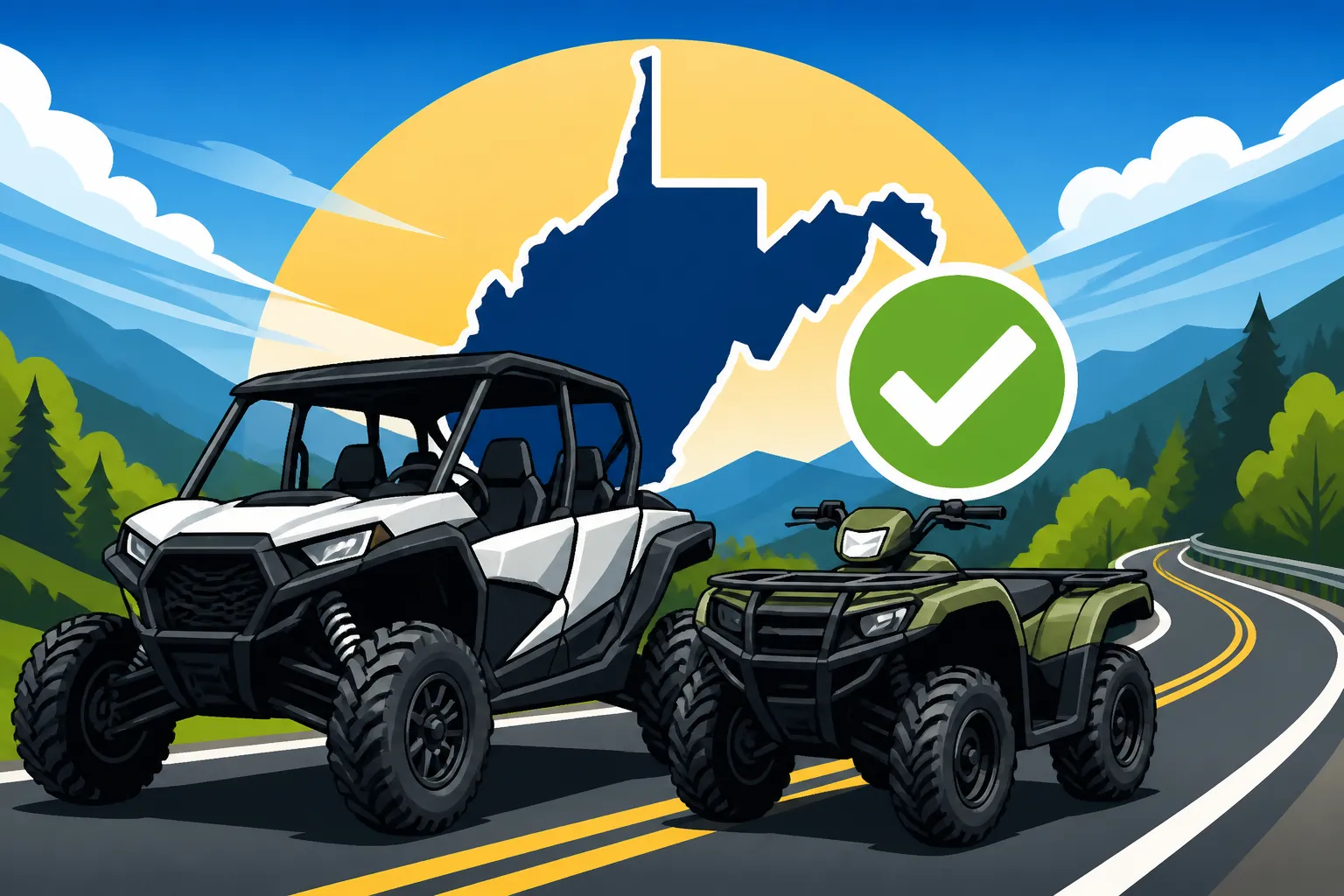
West Virginia’s Street-Legal Special Purpose Vehicle Law
Navigating the world of ATVs and UTVs in West Virginia can sometimes feel like you need a legal degree just to understand where you can and can't ride. One of the biggest headaches comes when you want to take your off-road machine onto actual public roads, even just for a short hop to the next trail system or a quick trip into a trail town. This guide will walk you through West Virginia's Special Purpose Vehicle (SPV) law, clearing up the confusion so you can get your machine street-legal with confidence.
Understanding the SPV Law in West Virginia
For years, riders in West Virginia faced a patchwork of local ordinances and state laws that made it incredibly confusing to know if their ATV or UTV could legally touch a paved road. It was a common frustration: you'd be riding a fantastic trail system, only to hit a road crossing and have to trailer your machine for a mere half-mile just to get to the next section. Or worse, you’d risk a ticket for trying to connect two trail sections by a short stint on the pavement. The Special Purpose Vehicle law was designed to bring clarity and, crucially, more freedom to riders within specific parameters.
What Exactly is a Special Purpose Vehicle (SPV)?
An SPV, in West Virginia, is essentially an ATV or UTV that has been modified and equipped to meet certain safety standards, allowing it to be legally operated on public roads under specific conditions. It's not just any quad or side-by-side; it's a machine that has gone through a process of inspection and registration with the Division of Motor Vehicles (DMV) to prove it’s ready for the pavement. Think of it as bridging the gap between a purely off-road vehicle and a traditional road-going car or truck, giving you more versatility.
This isn't about turning your mud-bogging monster into a daily commuter. It's about giving you the flexibility to move between trailheads, access amenities in trail-friendly towns, or even ride short distances on certain county roads. The designation acknowledges the growing popularity of these machines and their vital role in the recreational economy of our beautiful state, especially in areas built around trail tourism.
Why West Virginia Created the SPV Designation
The motivation behind the SPV law was multi-faceted. On one hand, it was a response to the clear demand from riders who wanted more legal access to roads without having to buy a dedicated street-legal machine. On the other hand, it was a move to bolster the economy in many of West Virginia’s rural areas, particularly those in the southern coalfields where trail systems like Hatfield-McCoy attract thousands of visitors annually. Imagine running a small business in a trail town; allowing riders to legally access your store or restaurant directly from the trail without trailering makes a huge difference.
Before the SPV law, riders often felt limited, sometimes leading to illegal road use out of necessity or ignorance. The state recognized this and sought to create a standardized, legal pathway. It offers a framework that prioritizes safety while still expanding opportunities for recreational riding and tourism. It's a pragmatic solution that aims to keep everyone safer on the roads while enhancing the overall riding experience in West Virginia.
The Difference Between an SPV and a Standard Off-Road Machine
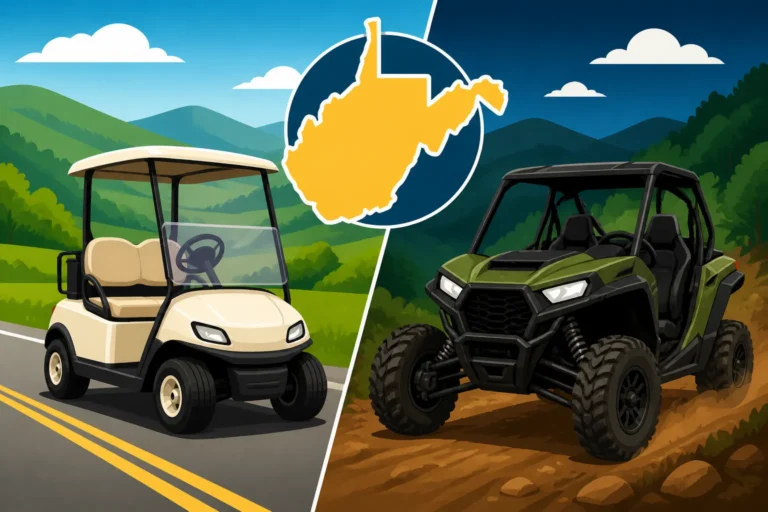
The core difference boils down to legal road access and the equipment required to achieve it. A standard ATV or UTV is designed purely for off-highway use, often lacking the lights, mirrors, and other safety features mandated for road travel. It doesn't have a license plate and isn't typically subject to road-vehicle insurance minimums. You might use it on private land, designated trails, or for farm work, but not on public roads.
An SPV, however, transforms that off-road machine into something more versatile. It retains its off-road capabilities but gains the legal right to operate on certain public roads. This transformation isn't just a matter of slapping on a license plate; it involves specific modifications, a stringent inspection, and ongoing compliance with state laws. It means your machine will look a bit different, often sporting extra lights, turn signals, and a horn, differentiating it clearly from its purely off-road brethren. Understanding this distinction is crucial before you start daydreaming about cruising down Main Street on your side-by-side. You can learn more about this by checking out [West Virginia's Street-Legal Special Purpose Vehicle Plate].
Key Requirements for an SPV Plate
Getting that coveted SPV plate for your ATV or UTV isn't just a simple trip to the DMV. It requires a commitment to safety and adherence to a specific list of modifications. The goal here is to ensure that your off-road machine, while still a blast to ride on the trails, can also safely share the road with traditional vehicles. This means adding equipment that makes you visible, allows you to signal your intentions, and helps you see what's around you. It's all about making your machine predictable and identifiable in a road environment.
Essential Safety Equipment You'll Need
This is where the rubber meets the road, quite literally. To qualify as an SPV, your machine must be outfitted with a comprehensive list of safety features. These aren't suggestions; they are mandates that will be checked during an inspection. First and foremost, you need proper headlights and taillights that function correctly. Beyond that, turn signals are essential for indicating lane changes or turns, just like a car. A horn, audible from a reasonable distance, is also a must for alerting other drivers.
Mirrors are another critical component, typically one on each side, offering a clear view of the rear. Many riders find that a full windshield made of safety glass is a good idea, though some rules allow for goggles and proper eye protection instead. Don't forget a functioning speedometer and odometer, and brake lights that illuminate when you apply the brakes. Tires must be DOT-approved, meaning they are designed and rated for road use, not just off-road terrain. If you're looking for quality aftermarket parts to meet these requirements, companies like SuperATV offer a wide range of conversion kits and individual components that are designed to bring your UTV or ATV up to street-legal standards. Getting a clear list of what your machine must carry is vital, and you can delve deeper into it by reading [Equipment a West Virginia SPV Must Carry].
Insurance Mandates for Street Legality
Just like any other vehicle operating on public roads, your West Virginia SPV needs to be properly insured. This isn't optional; it's a legal requirement that protects you and others in the event of an accident. The insurance requirements for an SPV typically mirror the minimum liability coverage mandated for passenger cars in West Virginia. This means you'll need a policy that covers bodily injury liability per person, per accident, and property damage liability.
Many standard ATV or UTV insurance policies designed purely for off-road use won't cut it for an SPV. You'll need to work with your insurance provider to ensure you have a policy specifically tailored for a street-legal special purpose vehicle. It's always a good idea to shop around and compare quotes, as rates can vary. Make sure you get proof of insurance to carry with you, as it's a document you'll need during registration and potentially if pulled over. This topic is so important that we dedicated a whole guide to it: [Insurance Required for a West Virginia SPV Plate].
What Machines Qualify for an SPV Plate
Not every off-road machine can become an SPV. The law specifically outlines what types of vehicles are eligible. Generally, this includes ATVs (all-terrain vehicles) and UTVs (utility terrain vehicles, often called side-by-sides). There are typically restrictions based on the original design and manufacturer’s intent. For example, some heavily modified or homemade vehicles might face additional scrutiny or not qualify at all. Dirt bikes, for instance, generally fall under different regulations and typically cannot be registered as SPVs.
The distinction often comes down to the number of wheels, seating position, and overall design. ATVs are typically single-rider machines, while UTVs can carry multiple passengers side-by-side. The key is that the vehicle must have been manufactured for off-road use initially, but then adapted for limited on-road use. It's not about taking a car and making it off-road; it's the reverse. Always double-check the latest regulations on the West Virginia DMV website or with a local DMV office to confirm your specific machine's eligibility before investing in conversion parts. We have a related article that dives into [Making a UTV Street Legal in West Virginia].
The Application Process for a West Virginia SPV Plate
So, you've equipped your machine with all the necessary gear and secured your insurance. What's next? The journey to getting that official West Virginia SPV plate involves a few more crucial steps, primarily dealing with the Division of Motor Vehicles (DMV). It can feel a bit like a bureaucratic maze, but by understanding the process and preparing thoroughly, you can navigate it smoothly. Don't show up unprepared, or you'll likely be sent home to gather more paperwork, wasting valuable time.
Gathering Your Documents for the DMV
Before you even think about heading to the DMV, make sure you have all your ducks in a row when it comes to paperwork. This is often where people get tripped up. You'll need proof of ownership, which usually means your existing ATV or UTV title. If you're still making payments, your lienholder might hold the title, so you'll need to coordinate with them. You'll also need proof of identity, such as your driver's license. The most critical document will be the completed application form for an SPV plate. This form requires detailed information about your machine and an affirmation that it meets all necessary safety standards.
Furthermore, you'll need to present proof of the mandatory liability insurance, often in the form of an insurance card or declaration page from your provider. Don't forget your West Virginia sales tax receipt or proof of sales tax payment, depending on when and where you purchased the machine. Having a bill of sale can also be helpful for certain situations. It’s always a good idea to call your local DMV office ahead of time to confirm their specific requirements, as sometimes local interpretations can vary slightly. You can also explore [What the West Virginia DMV Needs to Title an ATV] for general title information that might overlap.
The Inspection Process for an SPV
Unlike a regular off-road ATV, an SPV needs to pass a safety inspection to verify that all the required modifications have been properly installed and are functional. This inspection ensures that your machine truly meets the standards for road use. It’s not just a cursory glance; the inspector will methodically check your headlights, taillights, brake lights, turn signals, horn, mirrors, speedometer, odometer, and DOT-approved tires. They'll also typically check that you have a windshield or proper eye protection.
This inspection is usually performed by a certified inspection station, which can be a licensed mechanic shop or even a DMV location that offers inspection services. It's smart to do a thorough self-check before you go to avoid failing and having to return. Ensure all lights work, the horn honks loudly, and your tires are indeed DOT-stamped. Once your machine passes, you'll receive an inspection sticker or certificate that is a vital piece of your application package. It's a key hurdle in the process, and we detail it further in [Does a Street-Legal ATV Need an Inspection in West Virginia?].
Where to Apply and What to Expect
Once you've got your documents in order and your inspection passed, it's time for the final step: applying for your SPV plate at a West Virginia DMV office. You'll submit all your paperwork, including the application form, your title, proof of insurance, and the inspection certificate. Be prepared to pay the applicable fees, which include the registration fee and potentially a title fee if it's a new title. You can anticipate the cost by checking [West Virginia SPV Registration Cost].
The DMV staff will review everything, process your application, and if all checks out, you'll walk away with your new SPV license plate and registration card. This card, often called a [What a West Virginia SPV Registration Card Shows], is your official proof that your machine is legally registered as an SPV. It's crucial to keep this card with you whenever you're operating your SPV on public roads. The entire process, from gathering documents to walking out with your plate, can vary in time depending on how busy the DMV is, so patience is key.
Riding an SPV on West Virginia Roads: Rules and Limitations
Alright, you've got your SPV plate, your machine is street-legal, and you're ready to hit the pavement! But hold on just a second. Having an SPV plate doesn't mean you can ride anywhere, anytime, just like a regular car. West Virginia has specific rules and limitations for SPVs operating on public roads, and understanding these is absolutely critical to avoid tickets and ensure your safety. These rules are designed to integrate SPVs into the existing road infrastructure while acknowledging their unique characteristics and limitations compared to traditional vehicles.
Understanding the 20-Mile Centerline Rule
One of the most defining aspects of West Virginia's SPV law is the "20-mile centerline rule." This rule dictates that an SPV is generally permitted to operate on roads with a centerline, but only up to a cumulative distance of 20 miles. This isn't 20 miles one way; it’s a total of 20 miles for the entire trip, after which you're technically supposed to be off that type of road. The intent is to allow riders to connect trail systems, access businesses in towns, or traverse short road sections, not to use these roads for extended travel.
However, there's a significant exception: roads without a centerline are generally fair game for longer distances, provided they are not otherwise restricted. This often applies to smaller, rural county roads or gravel roads that serve as connectors. It's easy to get this mixed up, and confusion around "centerline roads" versus "no centerline roads" is a common source of tickets. Always be mindful of your route, keep track of your mileage on centerline roads, and know which specific roads you are allowed to travel on. This rule is so central to SPV operation that it has its own detailed explanation in [West Virginia's 20-Mile Centerline Limit for an SPV].
Speed Limits and Road Types for SPVs
In addition to the centerline mileage limit, SPVs are also subject to specific speed restrictions when operating on public roads. Generally, your SPV cannot exceed 25 miles per hour on any public road, regardless of the posted speed limit for other vehicles. This lower speed limit reflects the design and handling characteristics of ATVs and UTVs, ensuring they operate safely alongside faster-moving traffic. It also aligns with the intent of SPVs for short-distance connections rather than high-speed travel.
Moreover, SPVs are typically restricted from operating on controlled-access highways, interstates, or other high-speed multi-lane roads. These vehicles are primarily meant for secondary roads, county routes, and town streets, particularly those within designated "trail-friendly" communities. Always pay attention to signage and local ordinances, as some towns may have additional restrictions or designated SPV routes. Just because you have an SPV plate doesn't mean every road is open to you; common sense and adherence to these limitations are paramount for safe and legal riding.
Helmet, Eye Protection, and Passenger Rules
Safety gear remains paramount, even with an SPV plate. While West Virginia has varying helmet laws for ATV/UTV riders off-road depending on age, when you take your SPV onto a public road, stricter rules apply. Riders under the age of 18 are generally required to wear a DOT-approved helmet at all times when operating an SPV on public roads. For adults, while a helmet might not always be legally mandated on a street-legal UTV with a windshield, it is always highly recommended. Eye protection, such as goggles or a face shield, is also often required unless your SPV is equipped with a DOT-approved windshield.
Regarding passengers, your SPV can only carry the number of passengers for which it was designed and equipped by the manufacturer. Overloading your machine is not only illegal but extremely dangerous, especially on public roads. Furthermore, all passengers, particularly minors, must adhere to the same helmet and safety gear requirements as the operator. Always ensure that any child passengers meet the age and size requirements for the machine and are properly secured. Check out [West Virginia Helmet Rules for Riders Under 18] for specific age-related requirements.
Maintenance and Renewal of Your SPV Status
Getting your SPV plate is a fantastic achievement, but it's not a one-and-done deal. To maintain its street-legal status, your Special Purpose Vehicle requires ongoing attention to compliance and timely renewals. Just like any other registered vehicle, there are periodic requirements to ensure it continues to meet safety standards and that your registration remains current. Neglecting these steps can lead to penalties, fines, or even having your SPV privileges revoked, which is the last thing any rider wants.
Keeping Your SPV Compliant
Once your SPV passes its initial inspection, it's your responsibility to ensure it remains compliant with all safety equipment requirements. This means routinely checking that your headlights, taillights, brake lights, turn signals, and horn are all in working order. Make sure your mirrors are intact and properly adjusted, and that your DOT-approved tires aren't excessively worn. If you replace any parts, ensure the replacements also meet the necessary specifications. For instance, if you get a new set of tires, confirm they are still DOT-approved for road use.
Any modifications you make to your SPV after its initial inspection should also be in line with the law. Avoid removing safety equipment that was required for your SPV designation. Remember, law enforcement can pull you over at any time if they suspect your vehicle is non-compliant, and failure to meet the requirements can result in citations. Regular checks, perhaps before each significant road ride, can save you a lot of hassle down the line. You can find more detail on this in [West Virginia Inspection Rules for a Street-Legal Machine].
Renewing Your West Virginia SPV Registration
Just like your car or truck, your West Virginia SPV registration needs to be renewed periodically, typically annually. The DMV will usually send you a renewal notice in the mail well in advance of your expiration date, reminding you of the upcoming deadline. To renew, you'll typically need your current registration card, proof of current liability insurance, and the renewal fee. In some cases, depending on how long it's been or if there's been any change in ownership, another inspection might be required, though this is less common for routine renewals.
It's crucial not to let your registration lapse, as operating an unregistered SPV on public roads can lead to fines and other penalties. Many DMV services now offer online renewal options, which can be a convenient way to keep your registration current without having to visit an office in person. However, if you have any questions or if your information has changed (like your address), it might be best to handle the renewal in person or by phone to ensure everything is updated correctly. Knowing the process helps avoid unnecessary stress; check out [West Virginia SPV Plate Renewal] for more specifics.
Potential Pitfalls and Penalties
Operating an SPV in West Virginia comes with responsibilities, and failing to adhere to the rules can lead to unwanted consequences. The most common penalties include fines for equipment violations (like a non-functioning turn signal or non-DOT tires), exceeding the speed limit, or violating the 20-mile centerline rule. Operating an SPV without current registration or insurance can lead to more severe fines, impoundment of your vehicle, and even suspension of your driving privileges.
Beyond monetary penalties, a history of citations can also affect your insurance rates or make it harder to get coverage in the future. It's also important to remember that SPV privileges are granted for specific types of roads and under specific conditions. Riding on prohibited roads (like interstates) or riding recklessly can lead to dangerous situations and significant legal trouble. Always prioritize safety and respect the law, both for your own well-being and to help ensure these valuable SPV privileges remain available for all responsible riders in West Virginia.
| Feature | Standard ATV/UTV (Off-Road) | Special Purpose Vehicle (SPV) |
|---|---|---|
| Road Legal | Generally NO (except specific crossings) | YES (with limitations) |
| Title Required | Yes | Yes (as base vehicle) |
| Registration | Not typically for off-road use | Required for road use (SPV Plate) |
| License Plate | No | Yes (Specific SPV Plate) |
| Safety Inspection | No (for off-road use) | YES (Mandatory for street-legal status) |
| Required Equipment | Headlights, Taillights, Brake Lights | All standard + Turn Signals, Horn, Mirrors, DOT Tires, Speedometer, Odometer, Windshield (or goggles) |
| Insurance | Optional (but recommended) | Mandatory liability for road use |
| Speed Limit | N/A (off-road) | Max 25 mph on public roads |
| Road Access | Designated trails, private land | Designated trails, private land, and limited public roads (e.g., 20-mile centerline rule) |
Disclaimer
This article is for general informational purposes only and does not constitute professional advice. Laws, prices and regulations vary by location and change over time. Consult a qualified professional for guidance on your specific situation.