Riding to a Restaurant in Gilbert
There's nothing quite like the feeling of finishing an exhilarating ride on the trails, only to know you can hop on your machine and cruise right into town for a well-deserved meal. For many ATV and UTV enthusiasts, this dream often hits a snag when faced with confusing road laws and local ordinances. This guide is here to untangle the complexities of legally and safely riding your ATV or UTV directly to a restaurant in Gilbert, West Virginia, so you can enjoy the full trail town experience without a worry.
The Allure of Gilbert: Riding from Trail to Table
Imagine pulling off the dusty trail, hearing the rumble of your engine, and knowing that just a short, legal ride away, a hot meal and cold drink await. This isn't just a fantasy in places like Gilbert, West Virginia—it's a reality, but one that requires you to know and follow the rules. It's truly one of the unique joys of riding in a trail town: the convenience of seamless transition from wilderness adventure to local hospitality.
Gilbert: A True Trail Town Experience
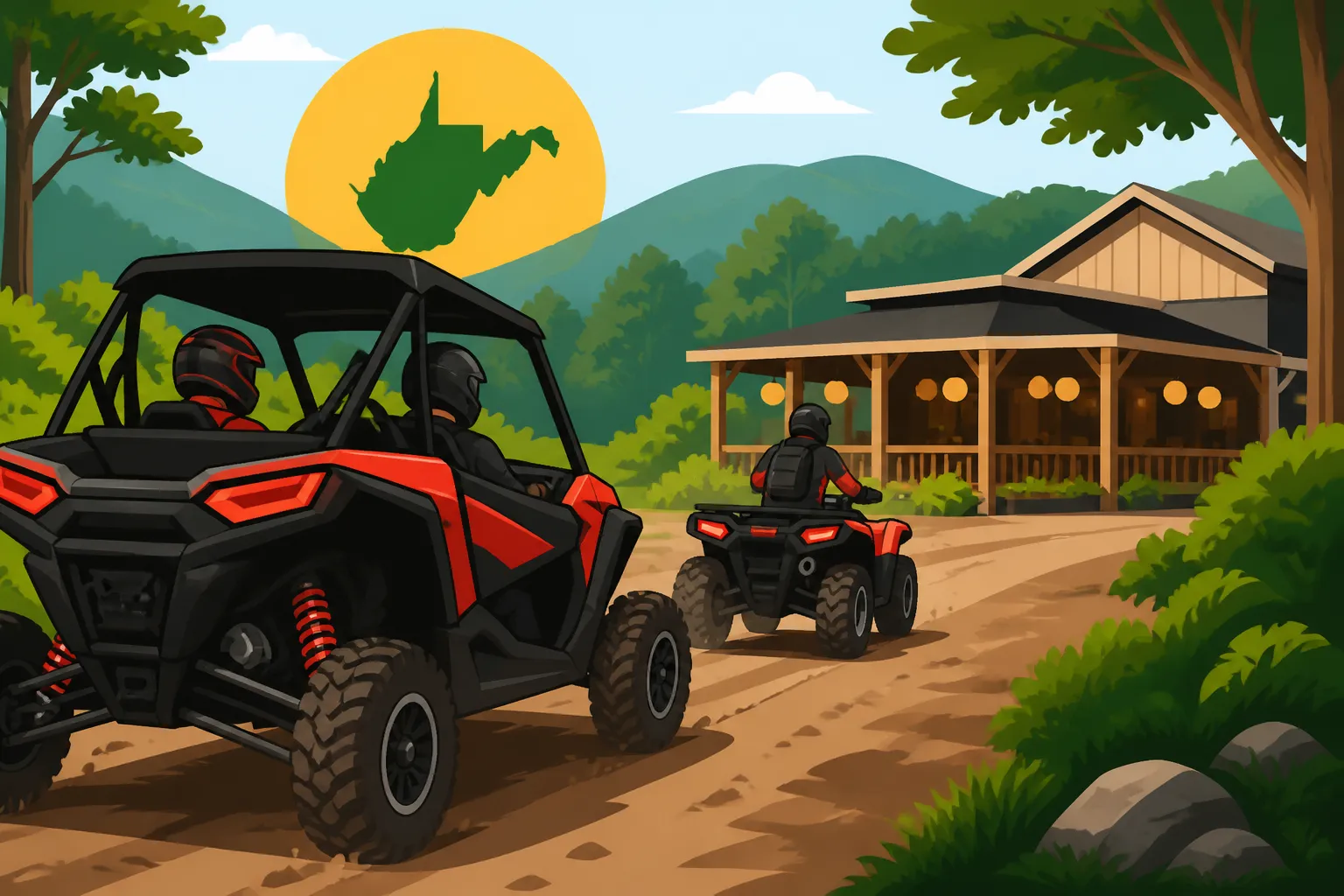
Gilbert, often proudly dubbed the "ATV Friendly Town," is one of the crown jewels of the Hatfield-McCoy Trails system. It's designed with riders in mind, providing direct access to the Rockhouse Trail System right from the edge of town. This means you can park your truck and trailer, unload your machines, and never have to load them back up until your trip is over. The town embraces the riding community, with businesses from lodging to restaurants and shops welcoming riders and their machines. This welcoming atmosphere is exactly why the idea of [Riding to a Restaurant in Gilbert] is so appealing – it embodies the spirit of a true rider's paradise. You're not just passing through; you're integrated into the fabric of the town.
However, "ATV-friendly" doesn't mean "anything goes." While many towns in southern West Virginia have embraced this model, each has specific ordinances, often built upon state legislation, that riders must adhere to. The convenience comes with a responsibility to understand and respect these local rules, which ensures continued access and a positive experience for everyone.
The Legal Framework for ATV/UTV Town Access
West Virginia has paved the way for towns like Gilbert to permit ATV and UTV use on certain public roads. This isn't a free-for-all; it's a carefully crafted system that balances recreation with public safety. Generally, the state allows municipalities to designate streets for ATV/UTV use, provided certain conditions are met by both the rider and the machine. These conditions typically include specific equipment requirements for your off-road vehicle and adherence to standard traffic laws, often with special speed limits. You'll find that these rules are put in place to ensure everyone, whether they're on a quad or in a car, can coexist safely. Understanding these underlying state rules is your first step to a hassle-free trip into town. For example, West Virginia has specific rules about how far and how fast you can ride, such as the [West Virginia's 10-Mile, 25 mph Road Rule], which applies in many areas, though trail towns may have slightly different local ordinances that still fall within the state's broader framework.
It's crucial to remember that this road access is a privilege, not a right. The local communities have worked hard to create these opportunities, and it's up to riders to maintain good conduct and compliance. This helps ensure that the future of places like Gilbert remains open and welcoming to the ATV/UTV community.
Preparing Your Machine and Yourself for Town Streets
Just because Gilbert is ATV-friendly doesn't mean you can just roll off the trail and onto Main Street without a second thought. Both your machine and you, as the operator, need to be prepared and compliant with West Virginia's specific requirements for street-legal operation in these designated areas. This isn't about making your machine fully "street legal" for highway use across the entire state, but rather ensuring it meets the local standards for town access.
Equipping Your ATV/UTV for Public Roads
To ride on the streets of Gilbert, your ATV or UTV must have a few essential pieces of equipment, ensuring it's visible and controllable. Think of it as bringing your machine up to a basic level of road safety, even if it's just for a short jaunt to a diner.
- Headlights and Taillights: You'll need functioning headlights, ideally capable of low and high beams, and bright taillights that are clearly visible from the rear. This is non-negotiable, especially if you plan on riding back to your lodging after sunset.
- Brake Lights: Your machine must have working brake lights that illuminate when you apply the brakes. This is a critical safety feature for communicating with other vehicles on the road.
- Horn: A working horn is essential for signaling and alerting pedestrians or other drivers to your presence.
- Mirrors: At least one rearview mirror is typically required, allowing you to see traffic approaching from behind. Some riders opt for two for better visibility.
- Spark Arrester: This is often overlooked, but a U.S. Forest Service-approved spark arrester on your exhaust is usually a requirement for operating on or near public lands and is a good practice for fire safety even in town.
- Tires: While knobby off-road tires are fine for the trails, ensure they are in good condition and won't shed excessive debris on paved roads.
- Muffler: Your machine must have an adequate muffler to prevent excessive noise. Respecting noise levels is a big part of being a good neighbor in a trail town.
Many riders invest in aftermarket parts to meet these requirements. Companies like SuperATV offer a wide range of accessories, from full street-legal kits that include turn signals (though often not required for specific town access, they add a layer of safety) to robust mirrors and horns, making it easier to equip your machine. While a full [West Virginia's Street-Legal Special Purpose Vehicle Law] conversion might be more than you need for just riding in town, ensuring these basic items are in place is paramount. Checking your machine's [Equipment a West Virginia SPV Must Carry] can give you a good benchmark, even if you're not going for a full SPV plate.
Rider Readiness: Licenses, Age, and Safety Gear
Beyond your machine, you, the rider, also have responsibilities. West Virginia has specific rules about who can operate an ATV or UTV on public roads, even in designated trail towns.
- Driver's License: Generally, anyone operating an ATV or UTV on a public road in West Virginia, even in a trail town like Gilbert, must possess a valid driver's license. This means a regular Class E (or equivalent) driver's license, just like you'd use to drive a car.
- Age Requirements: There are age restrictions. If you're under 18, you generally can't operate an ATV on a public road, even if you have a driver's license. For UTVs, the rules can sometimes be slightly different, but it's best to assume the strictest interpretation to avoid issues. Always consult the most current local ordinances for Gilbert, as these can sometimes offer specific exemptions or variations within the town limits for supervised youth. For example, general [West Virginia ATV Road Rules for Young Riders] might apply, and it's good to be aware of [West Virginia Helmet Rules for Riders Under 18].
- Helmets and Eye Protection: While adults over 18 are not always required to wear a helmet when operating a UTV on designated roads (depending on the specific local ordinance and if the UTV has a roof/windshield), it is always required for ATVs, and highly recommended for all riders on any machine. For UTVs, if you're not wearing a helmet, you must have a windshield and seatbelts. Eye protection is typically required for all riders when a helmet is not worn or if the machine does not have a full windshield. Don't leave your lodging without it.
Familiarizing yourself with these personal requirements is just as important as equipping your machine. A quick check of your license, helmet, and eye protection before you leave for that burger in town could save you a significant headache and a potential citation from [West Virginia Sheriff Patrols in Trail Towns].
Navigating Gilbert: From Trailhead to Tacos
Once your machine is prepped and you're ready to roll, the next step is actually navigating the town itself. Gilbert is welcoming, but it's still a town with other vehicles, pedestrians, and specific routes designated for off-road vehicle use. It's about blending in safely and respectfully, making your journey from the trail to your table a smooth one.
Choosing Your Route and Your Restaurant
Not every street in Gilbert is open to ATVs and UTVs. Trail towns typically designate specific routes, usually main thoroughfares, that connect lodging, trailheads, and local businesses. You'll often see signs indicating these routes. Stick to them. Riding off the designated path could result in a ticket or, worse, losing road access privileges for the community.
- Look for signage: Most ATV-friendly towns have clear signage indicating approved routes. Pay attention to these markers as you enter and traverse the town.
- Consult local maps: Many lodging providers or the Hatfield-McCoy Trail Authority offices can provide maps that highlight ATV-legal roads within Gilbert. Online resources or local businesses can also be helpful.
- Restaurant options: Gilbert has a variety of eateries, from casual diners serving classic Appalachian comfort food to pizza joints. When looking for a place to eat, consider spots with visible parking areas that can accommodate your machine without blocking traffic or pedestrian walkways. Many establishments catering to riders will have dedicated parking or understand the need for space. Some even have hitching posts!
One of the great things about [Riding Through Gilbert on an ATV] is the ease of access. You can find places like Country Roads Visitor Center, which often has information on local dining. Don't hesitate to ask your lodging host or other riders for their favorite spots and tips on getting there. Remember, [Fueling Up in a West Virginia ATV-Friendly Town] can also be part of your town trip, as many gas stations are easily accessible by ATV/UTV.
Etiquette and Safety While Riding in Town
Riding in a trail town is different from riding on the trails. You're now sharing the road with cars, trucks, and pedestrians. Your conduct directly impacts how the community perceives ATV/UTV riders.
- Slow Down: The speed limit for ATVs and UTVs on designated town roads is typically much lower than for cars. Often, it's 25 mph or even less, depending on the area. Adhere strictly to the posted [West Virginia ATV Speed Limit on a Public Road]. Speeding is one of the quickest ways to draw negative attention and risk a citation.
- Be Predictable: Use hand signals if your machine doesn't have turn signals. Maintain a steady course, and avoid sudden maneuvers.
- Yield to Pedestrians: Always give pedestrians the right of way. They are often enjoying the town's sidewalks and businesses, and you want to ensure their safety and comfort.
- Be Mindful of Noise: While your machine might sound awesome on the trail, keep revving and excessive engine noise to a minimum in town. Be a good neighbor.
- Follow All Traffic Laws: Stop at stop signs, obey traffic lights, and yield appropriately. You are a vehicle on the road, subject to the same rules as any car.
- Parking: When you arrive at a restaurant, park your machine responsibly. Don't block entrances, exits, or pedestrian paths. If possible, park in designated spots or areas that are clearly not infringing on others. Many businesses that welcome riders will have thought about this and offer suitable parking solutions.
By observing these simple rules of etiquette and safety, you contribute to the positive image of the riding community, ensuring that trail towns like Gilbert continue to embrace riders for years to come. This shared responsibility is key to maintaining access and a welcoming atmosphere.
Beyond Dinner: Understanding the Rules and Staying Compliant
Your delicious meal in Gilbert might be over, but your responsibilities as a rider on public roads aren't. Understanding the broader context of local rules and potential pitfalls is crucial for a continued enjoyable and incident-free experience. The authorities in these towns are generally very supportive of riders, but they are also tasked with ensuring safety and order, and they will enforce the rules when necessary.
Common Missteps and Enforcement
It's easy to get caught up in the excitement of a ride and overlook some regulations. However, enforcement is real, and deputies in trail towns are well-versed in ATV/UTV laws.
- Ignoring Signs: One of the most common mistakes is simply missing or ignoring signage that indicates designated routes, speed limits, or restricted areas. Always be alert to road signs.
- Speeding: As mentioned, speeding is a major issue. The lower speed limits are there for a reason, considering the mix of traffic, pedestrians, and the unique handling characteristics of off-road vehicles on pavement.
- Open Containers: West Virginia has strict open container laws, which apply just as much to ATVs and UTVs on public roads as they do to cars. Do not consume alcohol while operating your machine, and avoid open containers in plain sight. [Alcohol Limits for West Virginia ATV Operators] are the same as for driving a car.
- Riding Off-Route: Wandering onto non-designated streets, especially residential ones, can lead to complaints and citations. Stick to the marked paths.
- Unlicensed Operation/Underage Riding: Trying to operate a machine on town roads without a valid driver's license or allowing an underage, unsupervised rider to do so will almost certainly result in a fine and could lead to your machine being impounded.
Law enforcement, often including the West Virginia State Police and local sheriff's departments, will patrol these areas. They understand the economic benefits riders bring, but their priority is public safety. Expect deputies to be visible, especially during peak riding seasons. If you're pulled over, be polite, cooperative, and have your necessary documents ready, including your Hatfield-McCoy Trail Permit. A quick check after a [West Virginia Inspection Rules for a Street-Legal Machine] can ensure you're compliant.
| Item | Requirement for Town Riding in Gilbert (General) | Notes |
|---|---|---|
| Valid Driver's License | Yes | Required for operator. |
| Age of Operator | 18+ (for roads) | General state rule for road use. Check local ordinances for specific trail town variations for youth, but err on the side of caution. [West Virginia Road Riding Age Minimum] applies. |
| Helmet | Required for ATV, Recommended for UTV (situational) | Required for ATV operators and passengers. For UTVs, if no helmet, windshield and seatbelts typically required. Always safest to wear one. |
| Eye Protection | Yes | Required if no helmet or full windshield. |
| Headlights | Yes (functioning) | Must be working. |
| Taillights/Brake Lights | Yes (functioning) | Must be working. |
| Horn | Yes (functioning) | |
| Rearview Mirror | Yes (at least one) | |
| Spark Arrester | Yes (USFS approved) | For fire safety. |
| Muffler | Yes (adequate) | To control noise levels. |
| Trail Permit | Yes | While not a road-use requirement per se, you will need a valid [Hatfield-McCoy Trail Permit Explained] to ride the trails connecting to town, and it's good practice to have it visible. [West Virginia's Hatfield-McCoy Trail Permit Explained] are often checked by authorities. |
| Designated Routes | Yes (must stay on) | Only ride on roads explicitly marked or designated for ATV/UTV use within Gilbert. |
| Speed Limit | Yes (adhere to posted) | Typically 25 mph or lower in town. |
| Open Containers | No | No open alcoholic beverage containers allowed while operating on public roads. [Alcohol Limits for West Virginia ATV Operators] are the same as for motor vehicles. |
The Bigger Picture: Sustaining Trail Town Access
When you ride into a town like Gilbert, you're not just a single rider – you're representing the entire ATV/UTV community. Every interaction, every act of compliance or non-compliance, shapes how these towns and their residents view off-road recreation. Sustaining the unique privilege of riding your machine directly to a restaurant, or using a local gas station, depends heavily on collective adherence to the rules.
The economic impact of the Hatfield-McCoy Trails and the associated trail towns is significant, bringing much-needed tourism dollars to regions that have faced economic shifts. This symbiotic relationship thrives when riders are respectful and locals feel safe. By simply following the rules, riding courteously, and patronizing local businesses, you contribute positively to this system. It reinforces the idea that riders are a welcome part of the community, ensuring that these amazing opportunities for direct trail-to-town access continue for future generations of riders. Products that help riders maintain their machines, like various parts and accessories from SuperATV, contribute to the local economy indirectly too, by supporting continued riding.
So, the next time you're contemplating that ride to a restaurant in Gilbert, remember that it's more than just a convenience. It's an opportunity to experience West Virginia's unique trail culture, and a chance to be a responsible ambassador for our sport.
Disclaimer
This article is for general informational purposes only and does not constitute professional advice. Laws, prices and regulations vary by location and change over time. Consult a qualified professional for guidance on your specific situation.