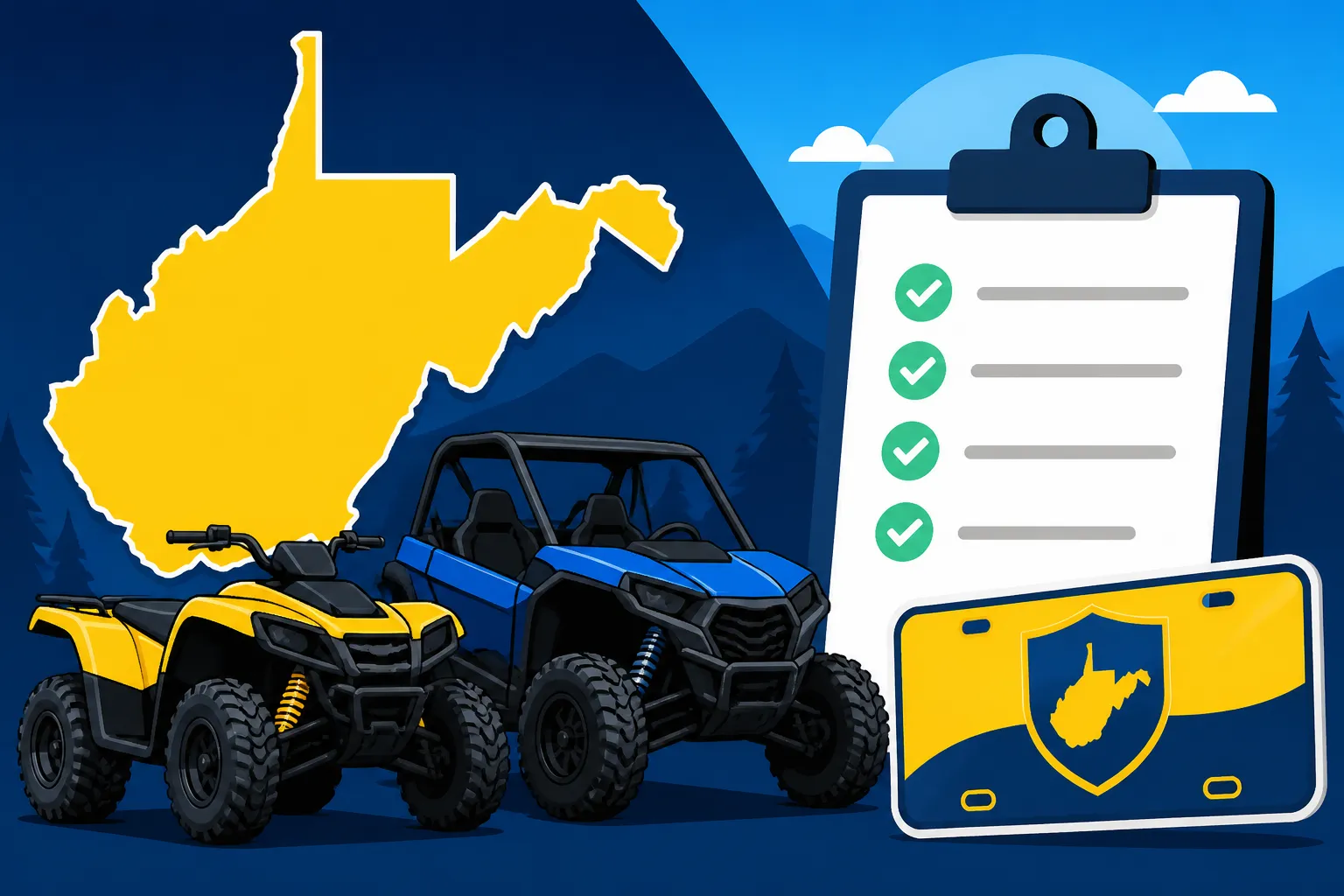
West Virginia SPV Plate Requirements List
It's a familiar scenario for many West Virginia ATV and UTV enthusiasts: you love hitting the trails, but the thought of safely and legally connecting those trail systems, or even just getting to the local gas station, feels like navigating a legal minefield. The dream of riding your side-by-side or quad on public roads without fear of a ticket often seems out of reach. This guide is here to untangle the complexities of West Virginia's Special Purpose Vehicle (SPV) plate, laying out exactly what your machine needs to be legally street-able, so you can ride with confidence and keep your focus on the road (and trail) ahead.
Demystifying the West Virginia Special Purpose Vehicle (SPV)
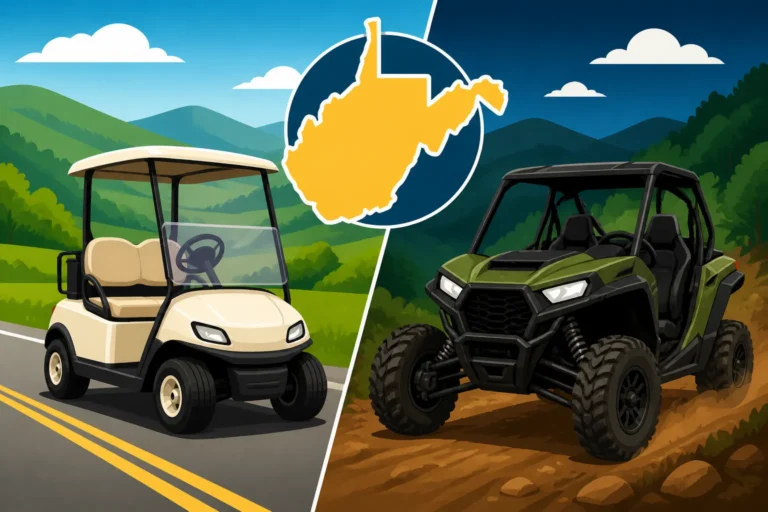
For years, many off-road riders in West Virginia felt stuck. You had this fantastic machine, perfect for tearing up the Hatfield-McCoy Trails, but getting from your cabin to the trailhead, or grabbing a bite in a trail town, meant trailering it. It was a huge hassle, especially when you saw folks in other states enjoying more freedom. West Virginia recognized this frustration, and that's precisely why the Special Purpose Vehicle (SPV) classification and plate came into being. It’s a game-changer for many riders, offering a legal pathway to take your ATV or UTV onto certain public roads. But before you get too excited, it's crucial to understand that "street legal" doesn't mean "anything goes." It comes with specific requirements that aim to make these off-road machines safer for shared roadways.
Understanding the "Special Purpose" Aspect
The "Special Purpose" in SPV is key to grasping the intent behind the law. These aren't just regular cars or trucks; they're still primarily designed for off-road use but have been modified to meet minimum safety standards for limited road use. Think of it as a conditional pass – your machine gets to use the roads, but only if it proves it can play by the rules designed for on-road vehicles. This designation acknowledges the unique nature of ATVs and UTVs, which can be lighter, more exposed, and handle differently than conventional automobiles. It's a pragmatic solution that bridges the gap between the thrill of off-road adventure and the necessity of occasional on-road travel. [West Virginia's Street-Legal Special Purpose Vehicle Plate] lays out more about this designation.
Why the SPV Plate Exists
The SPV plate was created to provide a legal framework for off-road machines to traverse public roads under specific conditions. Imagine you’re at the end of a long day on the Rockhouse Trail System, and you just want to cruise into Gilbert for dinner without loading your UTV back onto a trailer. Or maybe you need to access a different section of trail, and a short stretch of paved county road is the only way to get there. The SPV plate makes these scenarios possible, boosting tourism in our trail towns and offering unparalleled convenience for riders. It’s about enhancing the overall riding experience, making our state even more welcoming to the powersports community, while also maintaining a level of public safety that everyone can agree on.
The Essential Gear: What Your SPV Must Have
Alright, so you’re ready to get that coveted SPV plate. This is where the rubber meets the road, quite literally. You can’t just slap a license plate on your side-by-side and call it a day. West Virginia has a comprehensive list of equipment requirements designed to bring your off-road machine up to a standard that makes it visible, controllable, and predictable on public asphalt. Missing even one of these items can quickly turn your road-riding dream into a roadside headache with a deputy. It's about ensuring your machine is as safe as possible for both you and other drivers on the road. For a deeper dive into all the necessary components, check out [Equipment a West Virginia SPV Must Carry].
Lights, Signals, and Reflectors
Visibility is paramount when you're sharing the road with cars and trucks. Your SPV needs a full complement of lighting to be seen clearly, day or night, and to communicate your intentions to other drivers. This means you'll need:
- Headlights: At least two, white in color, mounted on the front, capable of illuminating the highway for a specified distance. They must function in both high and low beam settings, just like a car. You can't just have some flimsy trail lights; these need to be robust and properly aimed.
- Taillights: At least two, red in color, mounted on the rear, visible from a specific distance. These are crucial for night visibility from behind.
- Brake Lights: At least two, red in color, on the rear, which illuminate brightly when the brakes are applied. This is a non-negotiable safety feature, letting drivers behind you know you’re slowing down or stopping.
- Turn Signals: Both front and rear, amber in color, indicating your intended direction of travel. These need to be clear and operational on both sides. Many riders find that aftermarket kits, such as those offered by SuperATV, provide comprehensive, easy-to-install solutions for integrating turn signals into their UTVs without complex wiring headaches. [Turn Signal Wiring on a Polaris Ranger] is a great resource if you have a Polaris.
- Reflectors: Red reflectors on the rear, positioned to make your vehicle visible even if your taillights fail. These often come integrated into aftermarket light assemblies or can be added separately.
Ensuring all these lights are not just present but also fully functional and compliant with intensity and visibility standards is crucial. This isn't just about avoiding a ticket; it's about making sure you don't become a hazard on the road.
Brakes, Horn, and Mirrors
Beyond lighting, your ability to control your machine and be aware of your surroundings is vital.
- Brakes: Your SPV must have a braking system capable of stopping the vehicle within a specified distance and in good working order. This typically means a foot-operated brake that controls wheels on at least two axles, plus a separate parking brake. Don't overlook inspecting your brake lines, pads, and fluid levels before attempting road use.
- Horn: A working horn, audible from a minimum distance, is required. It needs to be a standard automotive-style horn, not just a bicycle bell. This allows you to alert other drivers or pedestrians to your presence in a critical situation.
- Mirrors: You’ll need a rearview mirror that provides a clear view of the highway to the rear for at least 200 feet. Additionally, at least one exterior mirror on the driver’s side is often required, allowing you to see traffic alongside and behind you. Many UTV owners opt for aftermarket side mirrors that clamp onto the cage, and SuperATV offers a variety of durable and adjustable options that meet these visibility needs. For more on what to look for, check out [Mirror Requirements on a West Virginia Street-Legal Machine].
These components are about active safety – enabling you to react to situations and communicate with other road users effectively.
Windshield and Seatbelts
While open-air riding is a huge part of the off-road experience, road riding demands certain protections.
- Windshield: Your SPV must be equipped with a windshield, often made of safety glass or a durable, clear polycarbonate material that doesn't obstruct vision. This protects you from road debris, insects, and the elements. You can't just go with any piece of plexiglass; it needs to be robust and properly installed to withstand road speeds and impacts. Many riders choose a full windshield from a reputable brand like SuperATV for their UTVs, ensuring it’s shatter-resistant and provides clear visibility.
- Seatbelts/Restraints: All occupants must be restrained by a seatbelt or harness system if the vehicle was originally manufactured with them. This is a fundamental safety requirement, protecting you and your passengers in the event of a sudden stop or collision. Ensure your existing belts are in good condition, or upgrade to a more secure harness system if desired and compatible.
These requirements are about passive safety, providing a layer of protection in case of an incident.
Tires, Exhaust, and Spark Arrestor
Finally, the components that connect you to the ground and manage your machine's emissions are also scrutinized.
- Tires: Your tires must be approved for highway use, often referred to as DOT-compliant. This means they are designed to handle the heat and forces of pavement at road speeds, unlike many aggressive off-road-only tires. They must have adequate tread depth, and no visible damage or cord showing. Swapping out your knobby trail tires for DOT-approved ones is often one of the first and most critical steps in making your machine street legal. For insights into suitable options, look into [DOT Tires for a Street-Legal Side-by-Side].
- Exhaust System: Your SPV needs a functioning exhaust system that prevents excessive noise and directs exhaust gases away from the occupants. It must also comply with state noise regulations. Loud aftermarket exhausts, while fun on the trail, might not pass muster for road use.
- Spark Arrestor: A spark arrestor, designed to prevent the emission of flammable particles from the exhaust, is required. This is a safety device primarily aimed at preventing wildfires, especially crucial in forested areas of West Virginia.
| Equipment Category | Specific Requirement | Notes |
|---|---|---|
| Lighting & Signals | Headlights (2, white, high/low beam) | Must illuminate highway for specified distance |
| Taillights (2, red, visible from distance) | ||
| Brake Lights (2, red, activated by foot brake) | Crucial for warning following vehicles | |
| Turn Signals (amber, front & rear) | Must clearly indicate turns | |
| Reflectors (red, rear) | Backup visibility | |
| Control & Awareness | Brakes (foot-operated, capable of stopping) | Must be in good working order, parking brake required |
| Horn (audible from distance) | Standard automotive-style horn | |
| Mirrors (rearview & driver's side exterior) | Clear view of highway for 200 ft. to rear | |
| Protection | Windshield (safety glass or approved material) | Must not obstruct vision, protects from debris |
| Seatbelts/Restraints (if factory equipped) | All occupants must be restrained | |
| Performance & Safety | Tires (DOT-compliant, adequate tread) | Designed for highway use, not just off-road |
| Exhaust System (prevents excessive noise) | Must meet state noise regulations | |
| Spark Arrestor (prevents flammable particles) | Important for fire prevention |
Navigating the Red Tape: Titling, Registration, and Insurance for Your SPV
Once you’ve got your machine kitted out with all the necessary gear, it’s time to tackle the paperwork. This can feel daunting, as it involves interacting with the West Virginia DMV and ensuring you meet all the administrative requirements. Many folks get frustrated at this stage, thinking the hard part is over, but getting the plate on your machine means following specific protocols for titling, registration, and insurance. It's a process, but it's a necessary one to ensure your SPV is legally recognized and ready for the road.
The Application Process at the DMV
Getting your SPV officially recognized by the state starts with a visit to the DMV. You'll need to fill out the correct application form, which essentially declares your intent to use your ATV or UTV as a Special Purpose Vehicle. This application typically requires detailed information about your machine, including its Vehicle Identification Number (VIN), make, model, and year. You'll also need to provide proof of ownership, usually your existing ATV or UTV title. If your machine wasn't previously titled in West Virginia, you might need to go through additional steps to establish ownership.
Perhaps the most crucial part of this step is the inspection. Your machine will need to undergo a safety inspection by an authorized mechanic or, in some cases, a DMV agent, to verify that it has all the required equipment. They'll meticulously check everything from your lights and turn signals to your tires and windshield. Don’t show up until you’re absolutely certain every single requirement is met, as a failed inspection means another trip back and more waiting. Be prepared for the [West Virginia SPV Plate Cost] which will also be due at this time.
Insurance and Inspection Requirements
Just like any other vehicle operating on West Virginia roads, your SPV will need to be insured. The state mandates specific minimum liability coverage to protect other drivers in case you are at fault in an accident. You’ll need to provide proof of this insurance coverage when you register your SPV. It's not enough to have just a basic off-road policy; you need a policy that specifically covers your machine for on-road use. Many insurance providers offer specific SPV or street-legal UTV/ATV policies, so it's worth shopping around to find the best fit for your needs. [Insurance Required for a West Virginia SPV Plate] can help clarify the minimums.
Beyond the initial safety inspection required for registration, your SPV might also be subject to periodic inspections, similar to cars and trucks. These ongoing inspections ensure that your machine remains in safe operating condition and that all the street-legal equipment continues to function correctly. Keeping up with these inspections is vital to maintaining the legality of your SPV plate year after year. [West Virginia Inspection Rules for a Street-Legal Machine] offers more detail on these requirements.
Who Can Legally Drive an SPV on West Virginia Roads
Simply having an SPV plate on your machine doesn't mean anyone can hop behind the wheel. There are specific age and licensing requirements that align with general driving laws. In West Virginia, to operate a Special Purpose Vehicle on public roads, you generally need to possess a valid driver's license. This means you can't rely solely on your ATV safety course certificate; you need a full, unrestricted license to drive on public asphalt.
Age restrictions also apply. While the state has different rules for off-road riding, using an SPV on the road typically follows the same age guidelines as operating any other motor vehicle. This means younger riders, even those with an ATV safety certificate, generally won't be permitted to operate an SPV on public roads unless they meet the state's minimum age for a driver's license. It’s important to clarify these rules, especially for families who ride together, to avoid any misunderstandings with law enforcement. Understanding [West Virginia ATV Road Rules for Young Riders] is essential if you have younger family members.
Road Restrictions and Usage Limits
One of the most crucial distinctions of the SPV plate is that it grants limited road access, not unlimited freedom. West Virginia law specifies exactly where and how an SPV can be operated on public roads. You won't be cruising down major interstates or heavily trafficked state highways. Generally, SPVs are permitted on:
- Roads with a speed limit of 35 mph or less: This is a common restriction, focusing SPV use on slower, local roads.
- Roads without a painted centerline: This often indicates county roads, gravel roads, and less-traveled routes where traffic volume and speeds are lower.
- Connecting trail systems: The primary intent is often to allow riders to connect segments of off-road trails or to access services in trail-friendly towns.
- A 10-mile limit for specific purposes: There's often a provision that allows an SPV to travel up to 10 miles from its primary off-road area for specific purposes like fueling, accessing lodging, or trailheads. However, this is distinct from the general 20-mile centerline rule. The specifics of [West Virginia's 20-Mile Centerline Limit for an SPV] and [The 25 mph Cap on a West Virginia Road Ride] are critical to understand.
These restrictions are designed to integrate SPVs safely into the existing road network, minimizing potential conflicts with faster-moving traffic. Always check local ordinances, as some towns may have specific rules or designated routes for SPVs, especially within ATV-friendly communities.
Common Pitfalls and How to Avoid Them
Even with the best intentions, it's easy to overlook a detail or misunderstand a rule when it comes to street-legalizing your ATV or UTV in West Virginia. Many riders get tripped up by seemingly small things, leading to failed inspections, fines, or even having their vehicle impounded. The key to a smooth process and hassle-free riding is thorough preparation and a clear understanding of the law's nuances.
Missing Documentation or Incorrect Equipment
One of the most frequent reasons for a failed SPV registration is incomplete or incorrect documentation. It’s not just about having a title; sometimes, a bill of sale might be needed, or proof of a VIN inspection if the machine is coming from out of state. Ensure you have all original titles, receipts, and proof of insurance on hand, and that all names match exactly across documents. A tiny discrepancy can cause a huge delay.
Equally common are issues with the equipment itself. Forgetting one small reflector, having a non-DOT approved tire, or a horn that isn’t loud enough are all common culprits. A loose turn signal wire, a headlight that’s not properly aimed, or a windshield with a crack that obstructs vision can also send you back to the drawing board. Before heading to the DMV for inspection, perform your own meticulous check, going through the official requirements list item by item. It’s often helpful to have another set of eyes review your machine, as they might spot something you’ve missed. Investing in quality, compliant parts from the start, like full lighting kits from SuperATV, can save you a lot of headache down the line.
Misunderstanding Road Usage Rules
Getting the SPV plate is only half the battle; knowing where and how you can legally use it is just as important. A common mistake is assuming that "street legal" means you can ride anywhere a car can. This simply isn't true for SPVs in West Virginia. Riding on a road with a speed limit over 35 mph, venturing onto an interstate, or traveling beyond the permitted distance from a trail access point are all easy ways to get a citation.
Many riders, especially those new to the SPV rules, might also misunderstand the "no centerline" rule. While many county and secondary roads fit this description, it's not a blanket permission slip for all undivided roads. Always err on the side of caution. If you're unsure about a specific road, it's safer to avoid it or double-check with local authorities. The focus of the SPV plate is safe, limited access, often for connecting trails or accessing services in designated trail towns. Violating these usage rules can lead to significant penalties, including fines and potential suspension of your SPV privileges.
Maintenance and Ongoing Compliance
The requirements for an SPV aren't a one-and-done deal. Your machine needs to remain compliant with all safety and equipment regulations for as long as it bears an SPV plate. This means ongoing maintenance is crucial. Headlights burn out, brake pads wear down, and tires eventually need replacing. When you replace a component, ensure the new part also meets the DOT or safety standards required for an SPV.
Additionally, don't forget about annual registration renewals and maintaining continuous insurance coverage. Letting your insurance lapse, or failing to renew your registration, instantly renders your SPV illegal for road use, regardless of the equipment it has. Treat your SPV with the same diligence as you would any other road-going vehicle, performing regular checks and addressing any issues promptly. Staying informed about any updates to West Virginia's SPV laws is also a good practice, as regulations can change over time.
Disclaimer
This article is for general informational purposes only and does not constitute professional advice. Laws, prices and regulations vary by location and change over time. Consult a qualified professional for guidance on your specific situation.