Seat Belts in a West Virginia Street-Legal UTV
Navigating the world of street-legal UTVs in West Virginia can feel like trying to solve a puzzle with half the pieces missing. One area that often leaves riders scratching their heads is the specific safety equipment required, particularly when it comes to seat belts. This guide aims to clear up that confusion, diving deep into what West Virginia law requires for seat belts in your street-legal side-by-side, why it matters, and how to ensure you're safely and legally equipped for the road.
Why Seat Belts Aren't Just an Option for Street-Legal UTVs in West Virginia
When you're out on the trails, especially some of the challenging ones you find here in the Mountain State, wearing your seat belt or harness is simply good practice. It keeps you planted in your seat during unexpected bumps, dips, or swerves, and it's a core component of staying safe if things go sideways. But once you start talking about taking your UTV onto public roads, those safety recommendations morph into hard-and-fast legal requirements. West Virginia takes vehicle safety seriously on its roadways, and that includes any machine permitted to operate there, even if it started life as an off-road beast.
The fundamental shift comes with the designation of your UTV as a "Street-Legal Special Purpose Vehicle" or SPV. This isn't just a fancy plate; it means your UTV is now expected to meet a host of safety standards akin to what you'd find in a regular car or truck. The idea is to ensure that while you enjoy the incredible freedom of riding your machine on designated roads and connecting trails, you're doing so with a baseline of protection for yourself and your passengers. Ignoring these requirements isn't just a risk to your well-being; it can lead to legal trouble and even void your insurance coverage if you're involved in an incident.
Think about it: the speeds are higher on pavement, there are other full-sized vehicles sharing the road, and the consequences of a collision can be far more severe than a low-speed tip-over on a muddy trail. That's why the state requires these safety measures. It’s not about stifling your fun; it’s about making sure that fun is as safe as possible for everyone. Many riders appreciate this clarity, as it removes the guesswork and helps them invest in the right safety gear from the start.
West Virginia's Specific Seat Belt Laws for Street-Legal UTVs
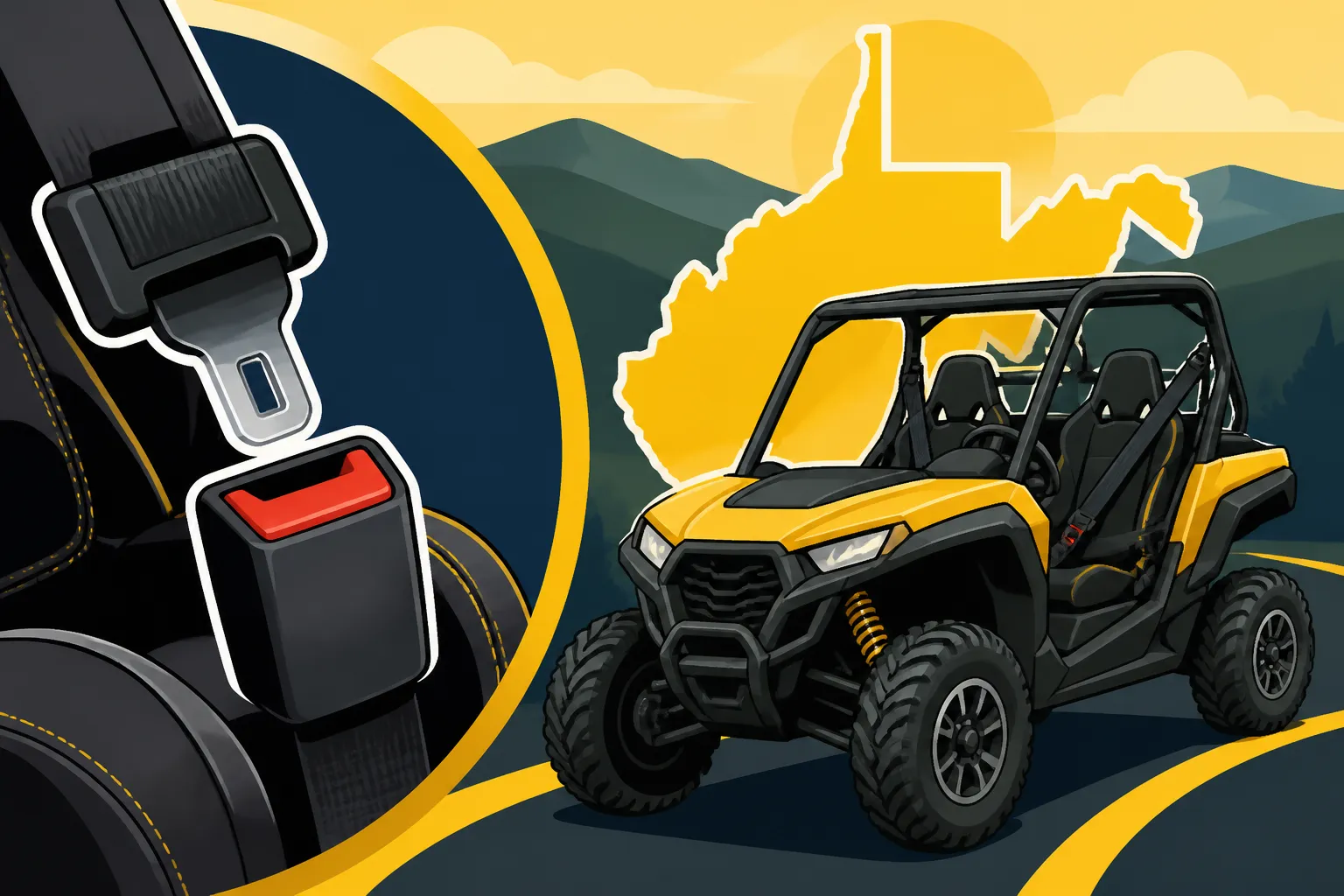
So, what does West Virginia law actually say about seat belts in your street-legal UTV? The rules are quite clear: if your UTV is designated as a Street-Legal Special Purpose Vehicle (SPV) and you're operating it on a public road, every occupant must be properly secured by a seat belt system. This isn't a suggestion; it's a legal mandate. The same rules that apply to your passenger car generally extend to your street-legal UTV when it comes to occupant restraint.
This means that if your UTV has two seats, it needs two functioning seat belts. If it’s a four-seater, it needs four, and so on. These seat belts must be in good working order, free from rips, tears, or excessive fraying, and capable of latching securely. They also need to be designed to properly restrain an occupant, which typically means a lap belt and shoulder harness combo for optimal safety, especially given the open nature of many UTV cabs. Just like in a car, you can't have more passengers than available, working seat belts. The state wants to make sure that for every person riding on a public road, there's a designated, functioning safety restraint. For more on what your machine needs to hit the road legally, check out [Equipment a West Virginia SPV Must Carry].
It's also important to remember that these laws apply to everyone in the UTV, regardless of age. While there are specific rules for youth riders, the general seat belt requirement is universal for all occupants. This means if you have children riding with you, they too must be belted in. For younger children, this might even necessitate appropriate booster seats or child restraints that can be securely fastened with the UTV's seat belt system, just as you would in a regular vehicle. Always verify the specific requirements for passengers, especially minors, to ensure you're not inadvertently putting anyone at risk or violating state law.
Upgrading or Replacing Seat Belts in Your Street-Legal UTV
Let's face it, factory seat belts can sometimes leave a bit to be desired, especially if you're a more aggressive rider or you've put a lot of miles on your machine. For a street-legal UTV, maintaining those belts in top condition is not just about comfort or performance; it's a legal necessity. If your factory seat belts are worn, damaged, or simply don't provide the level of security you want for road use, upgrading or replacing them is a smart move.
When considering replacements, you have a few options. Many riders opt for direct OEM replacements, which ensure a perfect fit and compliance with original specifications. However, the aftermarket offers a vast array of choices, from standard 3-point retractable belts to more robust 4-point or even 5-point harnesses. While 4- and 5-point harnesses offer superior restraint, particularly in off-road scenarios, ensure they are also compliant with street-legal requirements, meaning they must be properly installed and offer the same level of safety as a factory belt for road conditions. Brands like SuperATV offer a fantastic range of aftermarket seat belts and harnesses designed for various UTV models, often with enhanced comfort and durability. They also carry accessories that make installation smoother, helping you ensure a secure and legal setup.
Installation is critical. Whether you're replacing a worn belt with another 3-point retractable or upgrading to a full harness system, follow the manufacturer's instructions meticulously. Proper mounting points, hardware, and torque settings are paramount to the belt's effectiveness in a collision. Incorrect installation can render even the best seat belt useless and could be a significant liability. If you're not comfortable tackling the job yourself, it's always wise to have a professional shop handle the installation to ensure everything is up to snuff. Remember, your goal is not just to have a seat belt, but to have a safe and legally compliant seat belt for every occupant when you're cruising down a West Virginia road. For other safety components that might need an upgrade, check out [Street-Legal Conversion Kit Prices].
Consequences of Non-Compliance
Ignoring the seat belt requirements for your street-legal UTV in West Virginia can lead to a cascade of negative consequences, far beyond a simple ticket. First and foremost, there's the immediate risk to safety. In the event of an accident, an unbelted occupant is significantly more likely to suffer severe injuries or even fatalities. Seat belts are your primary defense in a collision, and without them, you're putting yourself and your passengers in a highly vulnerable position.
Then there are the legal ramifications. Operating a street-legal UTV on public roads without properly secured occupants is a moving violation. You could face fines, points on your driver's license, and potentially even more serious charges depending on the specific circumstances, such as if a minor is unbelted or if an accident occurs. Law enforcement in West Virginia, especially in popular trail towns, is well-versed in SPV regulations and will enforce them to ensure public safety. These fines can quickly add up, turning an otherwise enjoyable ride into a costly mistake. If you're looking into other potential violations, consider reading [West Virginia Penalties for Reckless Riding].
Beyond the immediate legal and safety concerns, there are financial implications that can hit hard. In the event of an accident, if it's discovered that occupants were not wearing seat belts as required by law, your insurance company may deny or limit coverage for medical expenses or vehicle damage. This could leave you on the hook for thousands of dollars in bills. Furthermore, operating an unsafe vehicle could impact your ability to register or renew your SPV plate in the future. It’s simply not worth the risk. Make sure all your passengers are buckled up every time you hit the pavement.
Key West Virginia SPV Safety Requirements
To give you a clearer picture, here's a quick look at some of the key safety requirements for a Street-Legal Special Purpose Vehicle (SPV) in West Virginia, including seat belts:
| Requirement | Description |
|---|---|
| Seat Belts | All occupants must be properly secured by a functioning seat belt system (lap and shoulder recommended). |
| Helmet (Under 18) | Riders and passengers under 18 years old must wear an approved helmet. |
| Eye Protection | All occupants must wear eye protection, or the vehicle must have a DOT-approved windshield. |
| Headlights/Taillights | Required for operation after dark, including brake lights. |
| Turn Signals | Must have working front and rear turn signals. |
| Mirrors | At least one rearview mirror is required. Some interpretations may require a driver-side mirror. |
| Horn | A working horn is mandatory. |
| Spark Arrester | An approved spark arrester is required on the exhaust system. |
| Muffler | Must be equipped with a muffler that prevents excessive or unusual noise. |
| Tires | DOT-approved tires suitable for street use. |
This table provides a general overview, but it’s always best to consult the official West Virginia DMV guidelines for the most up-to-date and complete list of requirements for your SPV. Checking these off ensures you're ready for any road, from a trail connector to a county route. You can learn more about specific requirements by looking into [West Virginia Inspection Rules for a Street-Legal Machine].
Maintaining Compliance and Staying Safe on West Virginia Roads
Staying compliant with West Virginia's seat belt laws for your street-legal UTV is an ongoing commitment, not just a one-time check. Before every ride on public roads, take a moment to visually inspect your seat belts. Look for any signs of wear, fraying, or damage to the webbing, buckles, or retractors. Even minor issues can compromise the belt's ability to protect you in an accident. If you find any problems, don't hesitate to replace the faulty component or the entire belt assembly. It's a small investment in your safety and legal standing.
Beyond just the seat belts, regularly review all aspects of your UTV's street-legal equipment. This includes checking your lights, turn signals, horn, mirrors, and tires. Think of it like a pre-flight checklist for your off-road machine transitioning to road duty. The goal is to ensure that your UTV is not only legal but also genuinely safe for the conditions you'll encounter on paved surfaces. For instance, ensuring your DOT tires are properly inflated for road use makes a big difference in handling. You might even want to check out resources from companies like SuperATV that offer pre-assembled street-legal kits, which often include many of these essential components, making it easier to maintain compliance. They often have guides on proper maintenance as well.
Finally, educate yourself and your passengers. Make it a habit to remind everyone to buckle up before you pull out onto any public road. Lead by example. Understanding the specific rules for [Making a UTV Street Legal in West Virginia] and [West Virginia's Street-Legal Special Purpose Vehicle Plate] will empower you to ride confidently and responsibly. The more informed you are, the safer and more enjoyable your adventures on West Virginia's roads and trails will be.
Disclaimer
This article is for general informational purposes only and does not constitute professional advice. Laws, prices and regulations vary by location and change over time. Consult a qualified professional for guidance on your specific situation.