Do You Need a Driver’s License to Ride in West Virginia?
It's a common question that pops up in conversations around campfires and trailheads across West Virginia: do I actually need a driver's license to ride my ATV or UTV? With our incredible trail systems and the increasing popularity of riding through our charming trail towns, it's easy to get confused about what's required and what's just a good idea. This guide is here to help clear up that confusion, laying out exactly when you'll need that little plastic card in your wallet and when you can leave it tucked away.
The Core Question: Do You Need a Driver's License for Off-Road Riding in West Virginia?
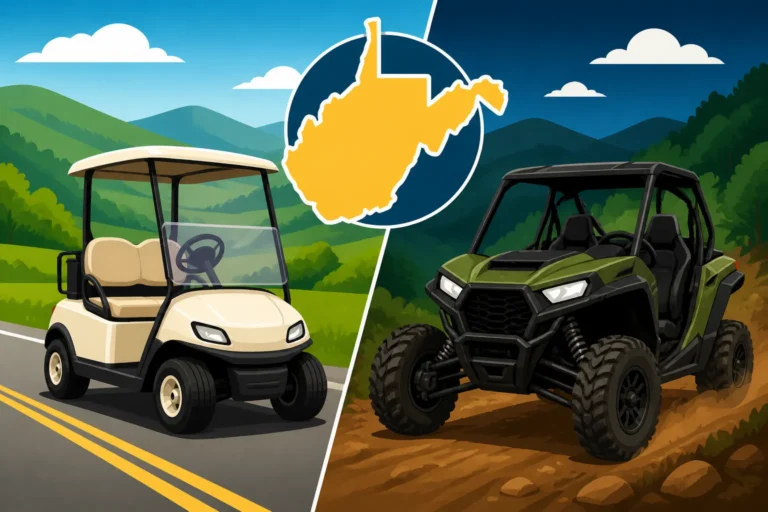
Let's cut right to the chase, because this is where most of the confusion starts. When you're thinking about tearing up the dirt, navigating a challenging trail, or just cruising around your own property, the requirements for a driver's license are quite different from when you venture onto public roads. West Virginia wisely distinguishes between off-highway vehicle (OHV) operation in designated areas and traditional motor vehicle operation.
Riding on Private Land and Designated Trail Systems
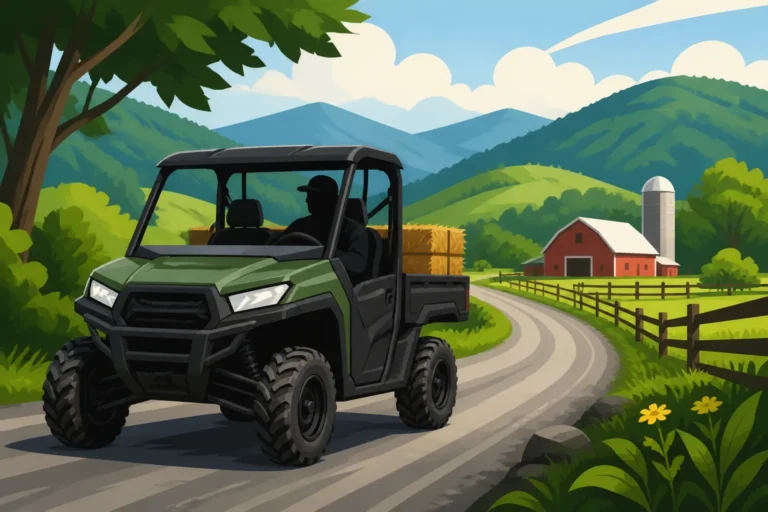
The good news for many riders is that, generally speaking, you do not need a standard motor vehicle driver's license to operate an ATV or UTV on private land you own or have permission to use, nor on West Virginia's vast network of managed trail systems like the world-famous Hatfield-McCoy Trails. This distinction is crucial. When you're on these trails, you're on land specifically designated for recreational off-road use, which operates under a different set of rules than public roads.
However, "no driver's license required" doesn't mean "no rules." Far from it! These areas have their own regulations designed for safety and sustainability. For instance, you'll still need to ensure your machine is in good working order, often carry a trail permit, and adhere to specific operating hours. The focus here is on safe off-road operation, not on your ability to handle traffic signals or parallel park. The state wants you to enjoy its natural beauty and thrilling trails, but always with safety at the forefront.
Age Restrictions and Supervision for Off-Roaders
Even without a driver's license requirement for off-road riding, West Virginia places significant emphasis on rider age and safety training, especially for younger enthusiasts. You can't just throw any kid on a quad and send them off. For riders under the age of 16, direct adult supervision is mandatory when operating an ATV or UTV. This means a responsible adult must be within a reasonable distance to monitor and assist the young rider. It's about ensuring a safe learning environment and preventing accidents before they happen.
Furthermore, if you're under 18 years old, West Virginia law requires you to successfully complete an approved ATV safety awareness course before you can legally operate an ATV on public lands, including those managed trail systems. This course teaches vital skills, safety practices, and an understanding of the rules of the trail. Think of it as your foundational education in responsible riding. While it's not a driver's license, it's a critical piece of the puzzle for young riders. You can learn more about this process and where to take it by checking out [West Virginia's ATV Safety Awareness Course]. For a more detailed breakdown of age specifics, take a look at [West Virginia Age Rules on the Trails]. These rules are in place not to hinder fun, but to foster it safely for generations to come.
When a Driver's License Is Required: Road Access in West Virginia
Now, here's where the conversation shifts, and it's perhaps the most vital distinction for West Virginia ATV and UTV owners. The moment your wheels touch a public road, the rules change significantly. What was previously an off-road machine now becomes, in the eyes of the law, a vehicle operating in the same domain as cars, trucks, and motorcycles.
Navigating Public Roads with an ATV or UTV
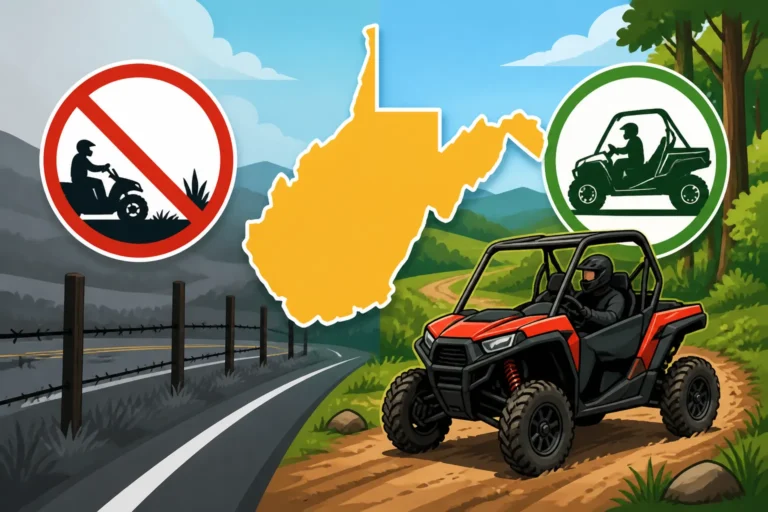
This is the big one: if you intend to operate your ATV or UTV on any public road in West Virginia where such operation is permitted, you absolutely must possess a valid driver's license. This isn't just a suggestion; it's a legal requirement. Whether you're crossing a two-lane highway to get to another trail section, riding down a specific county route, or navigating the main street of an ATV-friendly town, you are operating on a public thoroughfare, and that demands a licensed driver.
West Virginia has made strides in creating more opportunities for riders to connect trails and access services in towns, but this access comes with responsibilities. The roads that permit ATV/UTV travel are still shared with conventional traffic, and the operator must be able to demonstrate the basic competency required of any licensed driver. This includes understanding traffic laws, yielding the right of way, and safely operating the vehicle in a mixed-traffic environment. For a deeper dive into the ins and outs of road riding, check out [Riding an ATV on the Road in West Virginia]. Ignoring this requirement can lead to hefty fines and other legal troubles, not to mention safety risks for everyone on the road.
Special Purpose Vehicles (SPVs) and Driver's License Rules
For those who want to regularly use their UTV or ATV on public roads in West Virginia, the concept of a Special Purpose Vehicle (SPV) becomes paramount. An SPV is an off-road machine that has been modified and equipped to meet specific safety and equipment standards, allowing it to be titled and registered for limited road use. When you go through the process of getting an SPV plate, your machine transitions from being purely an off-road vehicle to one that can legally share certain public roads.
And guess what comes with that transition? Yep, a driver's license requirement. Operating an SPV on a public road demands that the operator holds a valid driver's license. This makes perfect sense; if you're going to share the road with other licensed drivers, you need to prove you have the skills and knowledge to do so safely. The process of making your machine street legal is quite involved, requiring additions like DOT-approved tires, turn signals, mirrors, and often a horn. Companies like SuperATV offer fantastic kits and individual components designed specifically for these types of conversions, helping riders meet West Virginia's stringent requirements. You can learn more about the plate itself by reading [West Virginia's Street-Legal Special Purpose Vehicle Plate]. Keep in mind that even with an SPV plate and a license, there are still limitations on where and how fast you can ride, like the [West Virginia's 20-Mile Centerline Limit for an SPV].
Practical Implications and Common Misconceptions
Understanding these rules is more than just about avoiding a ticket; it's about staying safe and ensuring you have a hassle-free experience while enjoying the best of West Virginia's ATV and UTV scene. It's easy to get confused, especially with friends from other states or different riding cultures.
The Importance of Knowing the Rules (and Why It's Confusing)
Let's be honest, the rules can feel like a tangled mess sometimes. You might talk to a buddy who rode in another state where the laws are totally different, or hear a story about someone "getting away with it." This is precisely why it's so important to get your information from reliable sources and truly understand West Virginia's specific regulations. The state is incredibly welcoming to ATV and UTV enthusiasts, but that welcome comes with the expectation that riders will be responsible and informed.
One of the biggest misconceptions is thinking that if a road is designated "ATV friendly," then all rules are off, including the need for a driver's license. This simply isn't true. "ATV friendly" usually means that the town or county has passed an ordinance allowing legal ATVs and UTVs (typically street-legal SPVs operated by licensed drivers) to access certain roads. It doesn't waive the core requirement for a driver's license when on pavement. Violating these rules can lead to significant consequences, including fines and even seizure of your machine. It’s important to understand the potential penalties, and while this article focuses on licenses, you can see how serious the state takes compliance by reading about [West Virginia Penalties for an Untitled Machine].
What to Carry with You While Riding
So, what should you keep on you when you head out?
If you're primarily sticking to private land or the Hatfield-McCoy Trails, you'll want your trail permit (if applicable) and a valid form of identification. While a driver's license isn't required for off-road operation itself, having a photo ID is always smart for emergencies or proving who you are. For young riders, carrying proof of their ATV safety course completion is crucial. It’s good practice to have some basic paperwork on hand, even if it's just a copy. Take a look at [Do You Need Paperwork on the Trail in West Virginia?] for more tips.
However, if your ride will involve any section of public road, even a short crossing between trailheads, your valid driver's license is absolutely non-negotiable. Along with that, if your machine is an SPV, you'll need its registration and proof of insurance. Treat it like you would driving your car—have all your legal documentation readily available.
| Riding Location | Driver's License Required? | Age Restrictions (General) | Other Key Requirements |
|---|---|---|---|
| Private Land (Owned/Permitted) | No | Varies by owner/context | Helmet recommended |
| Designated Trail Systems | No | 6+ (supervised under 16) | Safety course for under 18, Permit, Helmet |
| Public Roads (Permitted) | Yes | 16+ (with valid license) | SPV Plate, Insurance, Equipment, Helmet |
Getting Your Machine Ready for the Road (and Yourself!)
If the idea of connecting trails, riding into town for a bite, or just having the flexibility to hop on a paved road sounds appealing, then preparing your machine—and yourself—for legal road access is the next step. This isn't just about adding some parts; it's a commitment to operating a motor vehicle safely and responsibly.
Essential Equipment for Street Legality
To make your ATV or UTV street legal in West Virginia, you're going to need more than just a dream. The state mandates specific equipment to ensure your machine is visible, controllable, and safe for sharing the road with other vehicles. This typically includes:
- Headlights and Taillights: These need to be properly mounted and functional, just like on any car, ensuring you can see and be seen, especially after dark.
- Brake Lights: Essential for signaling your deceleration to vehicles behind you.
- Turn Signals: Front and rear signals are a must for indicating your intentions when changing lanes or turning. Many riders find universal kits easy to install.
- Mirrors: You'll need at least one rearview mirror, typically on the left side, to give you a clear view of traffic approaching from behind. Many UTVs can easily accommodate a wide-angle rearview mirror.
- Horn: A working horn is required to alert other drivers or pedestrians to your presence.
- DOT-Approved Tires: Your off-road tires might be great for mud and rocks, but they often aren't rated for highway speeds or conditions. You'll need tires approved by the Department of Transportation (DOT).
- Windshield: While not always strictly mandated for all OHV types, a windshield providing safety glass or similar protection is a wise addition for road riding.
- Safety Belts/Restraints: For UTVs especially, ensuring all occupants have properly functioning safety belts is paramount.
You don't have to piece all of this together from scratch. Many reputable aftermarket companies, including SuperATV, offer comprehensive street-legal conversion kits that bundle most or all of these components together, designed to meet state requirements. This makes the process much smoother. You can research more about these modifications and their costs by looking into [Street-Legal Conversion Kit Prices]. And remember, once these modifications are done, your machine will likely need an inspection to verify compliance. Detailed requirements are available in articles like [Equipment a West Virginia SPV Must Carry] and [West Virginia Inspection Rules for a Street-Legal Machine].
Understanding Insurance and Licensing Intersections
Just like with your family car, if your ATV or UTV is going to be driven on public roads in West Virginia, it needs to be insured, and that insurance is intrinsically linked to having a licensed driver. When you obtain an SPV plate for your machine, you'll also be required to carry minimum liability insurance. This insurance protects you and others in the event of an accident on a public road.
Most insurance policies for street-legal ATVs and UTVs will stipulate that the operator must be a licensed driver for the coverage to be valid. If an unlicensed driver causes an accident while operating your insured SPV on a public road, your insurance company might deny the claim, leaving you personally responsible for damages and injuries. This is a huge risk and another compelling reason why understanding the driver's license requirement is so important. Ensuring you have the proper coverage goes hand-in-hand with being properly licensed. For more on this, check out [Insurance Required for a West Virginia SPV Plate]. It all boils down to operating safely and responsibly within the framework of West Virginia's motor vehicle laws.
Disclaimer
This article is for general informational purposes only and does not constitute professional advice. Laws, prices and regulations vary by location and change over time. Consult a qualified professional for guidance on your specific situation.