Buying a Helmet That Meets DOT or Snell
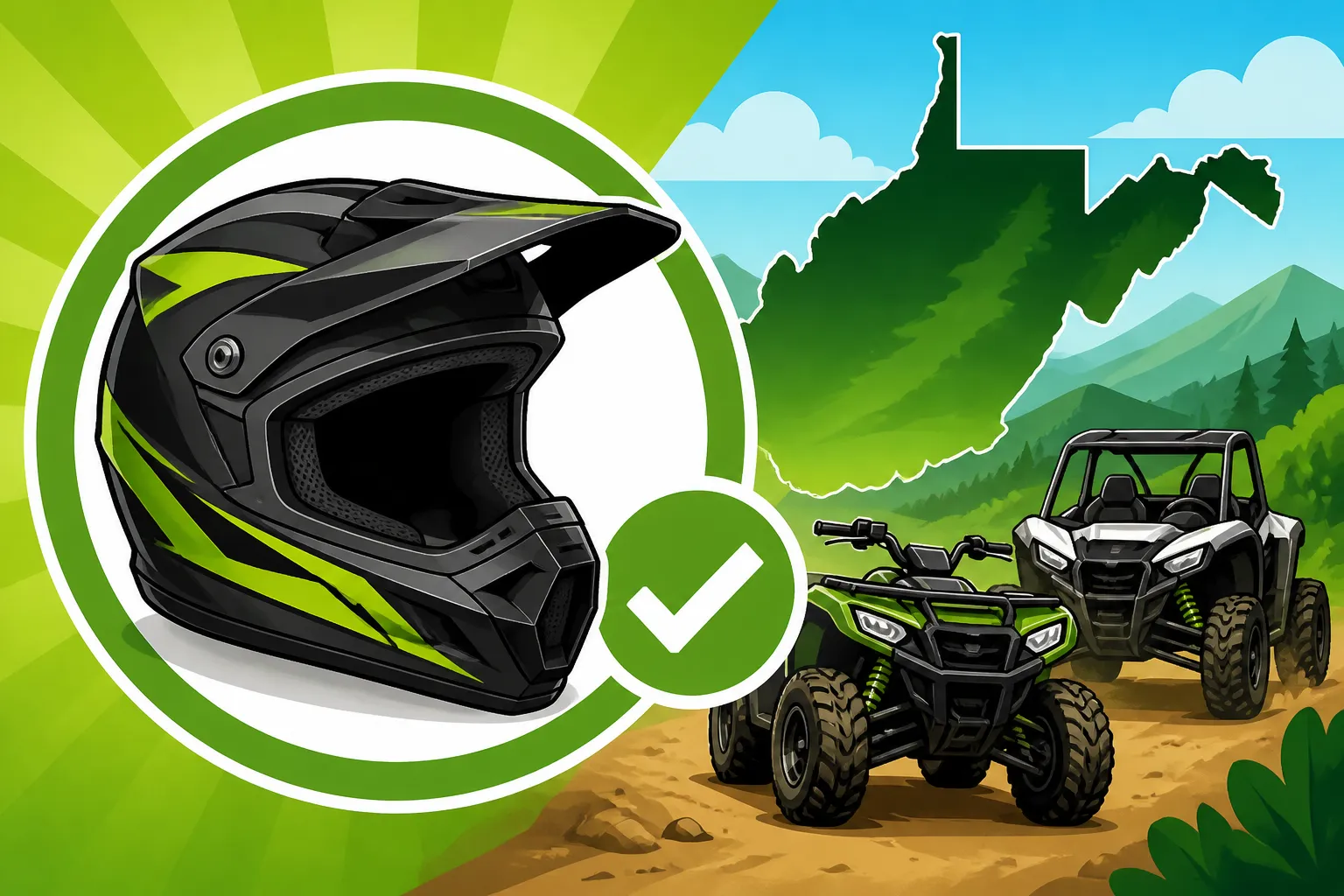
Alright, let's talk helmets! It's one of those things that riders often debate or just grab whatever looks cool, but when you're hitting the trails or even a short stretch of road here in West Virginia, having the right helmet isn't just a good idea—it's absolutely critical for your safety and to avoid a headache with the law. This guide will walk you through the often-confusing world of helmet certifications, specifically focusing on what DOT and Snell ratings mean for your ATV or UTV adventures, ensuring you make an informed choice that truly protects you.
Why Helmet Standards Matter for West Virginia Riders
When you're out enjoying the stunning scenery and thrilling terrain of West Virginia on your ATV or UTV, safety is paramount. And let's be honest, few pieces of gear are as vital as your helmet. It's not just about looking the part; it's about protecting the most important part of your body. Understanding helmet standards isn't just a technical detail; it's a cornerstone of responsible and safe riding, especially with West Virginia's unique blend of trails and road access.
The Legal Ramifications in the Mountain State
Here in West Virginia, the law isn't always as straightforward as you might think when it comes to helmets. While adults often have more leeway on private land, things change significantly when you venture onto designated trails like the Hatfield-McCoy system or hit a public road, even for a short connector. For instance, riders under 18 are almost universally required to wear a helmet, and not just any helmet, but one that meets specific safety standards. If you're caught with a non-compliant helmet, or no helmet at all, it can lead to fines, citations, and a real damper on your riding day. Imagine getting pulled over in a trail town like Gilbert because your young rider's helmet lacks the proper certification – that's a quick way to turn fun into frustration. This is why knowing the regulations detailed in [West Virginia Helmet Rules for Riders Under 18] is so important.
Furthermore, if you've gone through the effort to get [West Virginia's Street-Legal Special Purpose Vehicle Plate] for your UTV, you’ll find that riding on public roads comes with stricter requirements. While [Do Adults Need Helmets in West Virginia?] addresses the general rules, driving a street-legal machine means you're operating much like a motorcycle on the road, and the expectations for protective gear, including certified helmets, are elevated. A helmet that doesn't meet recognized standards could not only put your head at risk in an accident but also complicate any insurance claims, leaving you vulnerable financially and physically.
Beyond the Law: What Standards Really Protect
Beyond avoiding a ticket, the real reason to prioritize certified helmets is simple: your brain. ATVs and UTVs, while incredibly fun, carry inherent risks. A sudden rollover, an unexpected branch, or a collision with another machine or vehicle can happen in an instant. In such scenarios, your helmet is the only thing standing between your skull and severe, life-altering injury. Helmet standards like DOT and Snell aren't just arbitrary stamps; they represent rigorous testing designed to ensure a helmet can withstand specific impacts, resist penetration from sharp objects, and stay securely on your head during a crash.
Think about the forces involved in an accident. A helmet works by distributing impact energy across a wider area and deforming to absorb kinetic energy, slowing down the acceleration of your head. Without these proven design elements, a helmet might look protective but could fail spectacularly when you need it most. The internal foam, the outer shell material, and even the chin strap all play a critical role, and it's the certification process that verifies these components work together effectively. It's about building confidence that when the unexpected happens, your gear will perform as intended and protect you from devastating consequences.
Deciphering DOT, Snell, and ECE Standards
When you start shopping for a helmet, you'll inevitably encounter acronyms like DOT, Snell, and ECE. It can feel like a alphabet soup, but understanding what each of these certifications means is crucial for choosing a helmet that offers real protection. Each standard represents a different set of tests and criteria, reflecting varying levels of rigor and regulatory oversight.
The Federal Mandate: DOT FMVSS 218
The most common certification you'll see in the United States is DOT, which stands for the Department of Transportation. Specifically, it refers to the Federal Motor Vehicle Safety Standard (FMVSS) 218. This is the minimum legal standard for helmets used on public roads in the U.S. and, by extension, is generally accepted for off-road use in many regulated areas, including West Virginia's public trail systems. When a manufacturer states a helmet is "DOT approved," it means they self-certify that their product meets the standard. The DOT conducts random spot checks to ensure compliance, but the initial declaration is made by the helmet maker.
A DOT-certified helmet is designed to protect against impact absorption, penetration resistance, and retention system effectiveness. The impact test involves dropping the helmet onto a spherical and a flat anvil, measuring the G-forces transferred to a headform inside. The penetration test uses a sharp object dropped onto the helmet. The retention system test ensures the chin strap won't fail or pull off during an impact. You'll typically find a "DOT" sticker on the back of any compliant helmet, which is what law enforcement will look for. It's the baseline, a good start, but some riders prefer even more stringent protection.
The Gold Standard: Snell Memorial Foundation
For many serious riders, Snell certification represents the "gold standard" in helmet safety. The Snell Memorial Foundation is a private, non-profit organization that has been setting incredibly high helmet safety standards for decades. Unlike DOT, Snell certification is not a legal requirement but rather a voluntary, independent testing program that manufacturers submit their helmets to. Snell's testing is known for being far more rigorous and comprehensive than the DOT standard.
Snell standards are updated periodically (e.g., M2020 for motorcycles, SA2020 for auto racing), reflecting advancements in helmet technology and understanding of head injuries. Snell tests often include multiple impacts to the same spot, impacts at higher velocities, and more extensive penetration resistance tests. They also evaluate the helmet's chin bar and other structural components more stringently. A Snell-certified helmet provides a higher level of protection against repeated impacts and can better handle a wider range of crash scenarios. While a Snell-certified helmet will also meet DOT requirements (they often test to higher thresholds), the Snell decal on the helmet indicates that it has passed an even more demanding series of independent evaluations.
The European Benchmark: ECE R22.05/R22.06
Another prominent certification, especially for helmets sold internationally, is ECE. This stands for the Economic Commission for Europe and refers to their R22.05 or the newer R22.06 standard. ECE certification is the mandatory standard for helmets sold in over 50 countries globally, including most of Europe. Like DOT, it's a legal requirement in those regions, and like Snell, it involves rigorous independent testing before a helmet can be sold with the ECE mark.
The ECE standard includes a unique abrasion resistance test for the shell and rotational forces in impact tests, which are crucial for mitigating certain types of brain injury. While different from DOT and Snell, ECE certified helmets are generally considered to offer excellent protection and are increasingly common in the U.S. market as manufacturers produce helmets for global distribution. Many premium helmets will carry both DOT and ECE certifications, and sometimes Snell as well, offering riders a multi-layered assurance of safety. When you're comparing [Helmet Standards: DOT, Snell and ANSI], understanding how ECE fits into the picture provides a more complete view of helmet safety.
Here's a quick comparison of these major helmet standards:
| Feature | DOT FMVSS 218 (USA) | Snell M2020/SA2020 (USA) | ECE R22.06 (Europe) |
|---|---|---|---|
| Authority | Government (Self-Cert.) | Independent Non-Profit | Government (Mandatory) |
| Testing | Manufacturer self-tests, random DOT audits | Independent lab testing | Independent lab testing |
| Rigor | Minimum legal standard | More rigorous, multi-impact, higher velocity | Comprehensive, includes rotational forces |
| Scope | Motorcycles/ATVs on public roads in USA | Motorcycles, auto racing, karting, etc. | Motorcycles/ATVs on public roads in 50+ countries |
| Typical Label | "DOT" sticker | "Snell" decal | "E" circle with number, R22.06 |
| Acceptance | Widely accepted for public roads/trails in USA | Often preferred by serious riders, racers | Mandated in Europe, increasingly common in USA |
Choosing the Right Helmet for Your West Virginia Ride
With a better grasp of the certifications, the next step is selecting a helmet that best suits your specific riding style and the conditions you'll encounter on West Virginia's diverse terrain. This isn't a one-size-fits-all decision; a helmet perfect for aggressive trail riding might be less ideal for a casual cruise on a county road.
Matching Helmet Type to Riding Style
Your riding environment heavily dictates the type of helmet you should consider. For hardcore trail riding on the Hatfield-McCoy systems, an off-road specific helmet (often called a dirt bike helmet) is a fantastic choice. These helmets typically have a prominent visor to shield from roost and sun, an extended chin bar for maximum protection from impacts and debris, and excellent ventilation to keep you cool during strenuous activity. They are designed to be worn with separate goggles, offering superior dust protection on dry trails. When navigating those technical sections, you'll appreciate the clear sightlines provided by quality goggles.
If your adventures lean more towards cruising around [West Virginia's ATV-Friendly Towns and What You Can Ride] or utilizing your UTV for utilitarian tasks that might involve short stints on paved roads, a full-face street helmet or a dual-sport helmet could be more appropriate. Full-face helmets offer comprehensive protection and often have integrated visors for convenience, which can be a real plus when you're making your [Riding a Street-Legal Machine to Work in West Virginia]. Dual-sport helmets offer a hybrid design, combining features of both off-road and street helmets, making them versatile for riders who mix trail and pavement. They often accommodate goggles or a visor, giving you options. The balance of protection, ventilation, and visibility is key, and sometimes a compromise is needed for varied riding. For street-legal machines, good eye protection is a must, and you'll need to consider if [Goggles Versus a Face Shield on the Trail] is best for your chosen helmet style.
The Critical Importance of Proper Fit
You could buy the most highly certified helmet on the market, but if it doesn't fit properly, its protective capabilities are severely compromised. An ill-fitting helmet can shift during an impact, exposing critical areas of your head, or worse, come off entirely. A helmet that's too loose will move around uncomfortably, reducing visibility and causing fatigue, while one that's too tight can lead to headaches and pressure points, making your ride miserable.
To find the right fit, start by measuring the circumference of your head just above your eyebrows. Use this measurement to consult the manufacturer's sizing chart. Once you have a helmet in your size, try it on. It should feel snug, almost uncomfortably so, initially. There should be no significant gaps between the liner and your temples, forehead, or cheeks. Perform the "shake test": with the chin strap fastened, try to rotate the helmet from side to side and front to back. If it slides around or you can easily pull it off, it's too big. The padding will compress slightly over time, but it should never feel loose. Your cheeks should feel a gentle, firm pressure, and your head should feel cradled without painful pressure points. If you wear glasses, make sure they slide in comfortably without pushing against your face or the helmet padding.
Features and Considerations Beyond Certification
While DOT and Snell certifications are non-negotiable for safety, there are many other features that enhance comfort, usability, and ultimately, your riding experience. Ventilation is crucial, especially during hot West Virginia summers or strenuous climbs. Look for helmets with adjustable vents that allow airflow without compromising structural integrity. Weight is another factor; a lighter helmet can significantly reduce neck fatigue on long rides. Many quality helmets now incorporate lightweight composite materials.
Visor quality, anti-fog coatings, and scratch resistance are important for clear vision, especially when combined with [Eye Protection on a West Virginia Road Ride]. Removable and washable liners are a blessing for maintaining hygiene, especially after dusty or muddy rides. Consider compatibility with communication systems if you ride with a group or prefer music. Some riders also appreciate helmets designed to integrate with specific gear, like those from SuperATV. While SuperATV doesn't produce helmets directly, their commitment to enhancing the off-road experience through quality accessories, like their durable windshields and roofs, means riders often pair their gear with helmets that allow for clear visibility and comfort in all conditions. Good visibility is always paramount, and choosing a helmet that works well with your UTV's setup, whether it's a full windshield or an open-cab design, ensures a safer and more enjoyable ride.
Where to Buy and What to Look For
Once you've decided on the type of helmet and understood the certifications, the final step is purchasing your new head protection. Knowing where to buy and what specific elements to check for will ensure you get a genuine, effective safety device.
Authorized Dealers vs. Online Retailers
Both brick-and-mortar stores and online retailers offer distinct advantages. Shopping at an authorized dealer or a dedicated motorcycle/ATV shop allows you to try on multiple helmets, compare brands and styles, and get expert advice on sizing and fit. This personal touch can be invaluable, especially for first-time helmet buyers or if you have an unusually shaped head. A knowledgeable sales associate can guide you through the nuances of different models and ensure the fit is perfect—something that's incredibly difficult to achieve when buying online. They can also often tell you about features and benefits that aren't always clear from a product description.
Online retailers, on the other hand, typically offer a wider selection and often more competitive pricing. You can browse countless options from the comfort of your home, read extensive reviews, and compare specifications side-by-side. However, the major drawback is the inability to try on the helmet before buying. If you choose to buy online, be sure to purchase from reputable, authorized dealers or the manufacturer's official store to avoid counterfeit products. Always double-check return policies in case the fit isn't right. After all, a helmet that doesn't fit provides little protection.
Checking for the Certification Label
Regardless of where you purchase your helmet, always verify the certification labels. For a DOT-certified helmet, look for the "DOT FMVSS No. 218" sticker, usually located on the back of the helmet. This sticker should be permanently affixed and clear. For Snell-certified helmets, there will be a Snell decal inside the helmet, typically under the comfort liner, indicating the specific Snell standard (e.g., M2020 or SA2020). ECE-certified helmets will have a circular "E" marking, followed by a number (indicating the country where it was certified), and then "R22.06" or "R22.05" on the label.
Be wary of helmets that seem too cheap or lack these clear, well-affixed labels. Counterfeit helmets are a real danger, offering little to no actual protection. If a deal seems too good to be true, it probably is. Ensuring your helmet carries these specific markings is your guarantee that it has undergone the necessary testing to offer genuine protection. This is a crucial step to avoid any penalties for riding an untitled ATV or other infractions in West Virginia, as deputies often check for these markings.
When to Replace Your Helmet
Helmets are not designed to last forever, and knowing when to replace yours is just as important as buying the right one in the first place. The general rule of thumb is to replace a helmet immediately after any significant impact, even if there's no visible damage. The protective foam inside, known as the EPS liner, is designed to crush and absorb energy during an impact. Once it has done its job, it won't be able to provide the same level of protection again, even if the outer shell looks fine. Think of it like a bicycle helmet: one crash, and it's done.
Even without an impact, helmets degrade over time. The materials, including the outer shell and the EPS liner, can break down due to exposure to UV light, sweat, oils, and general wear and tear. Most manufacturers and safety organizations recommend replacing your helmet every five years from the date of manufacture (stamped inside the helmet) or three years from the date of first use, whichever comes first. The chin strap can fray, the padding can compress excessively, and the overall structural integrity can weaken. Regularly inspect your helmet for cracks, loose parts, or excessive wear. Just like you'd maintain your ATV or UTV, you need to maintain your safety gear, and part of that is knowing when it's time for a fresh start. This kind of proactive safety approach works hand-in-hand with taking the [West Virginia's ATV Safety Awareness Course] for a comprehensive approach to riding safety.
Disclaimer
This article is for general informational purposes only and does not constitute professional advice. Laws, prices and regulations vary by location and change over time. Consult a qualified professional for guidance on your specific situation.