Spark Arrester Inspection on a Used West Virginia Machine
Buying a used ATV or UTV in West Virginia can be an exciting journey, especially with our incredible trail systems calling your name. But one crucial, often overlooked detail that can cause major headaches down the road is the spark arrester. Many folks don't even think about it until they're stopped by a trail ranger or worse, accidentally cause a wildfire. This guide will walk you through why this little device is so important and how to properly inspect it when you're checking out a potential new-to-you machine.
Why a Spark Arrester Matters So Much in West Virginia
Let's be real, West Virginia is known for its breathtaking natural beauty, especially our forests and mountains. When you're out riding, whether it's on the Hatfield-McCoy Trails or a more secluded forest road, preventing wildfires isn't just a good idea; it's a critical responsibility. This is exactly where the spark arrester comes into play, and why it's a mandatory component on almost all off-road vehicles operated in our state.
Understanding the Risk
Imagine tearing down a dry trail in late summer or early fall. Your ATV's engine is running hot, and its exhaust gases are scorching. Without a properly functioning spark arrester, tiny, superheated carbon particles can exit your muffler along with those hot gases. If these incandescent particles land on dry leaves, grass, or any other flammable material, they can instantly ignite a fire. We've all seen the devastating impact wildfires can have on communities and our precious natural resources. A missing or damaged spark arrester turns your fun machine into a significant fire hazard, and that's a risk none of us should be willing to take. It's not just a rule for rules' sake; it's about protecting our wild and wonderful landscape and the homes within it.
Trail System Rules and Penalties
Our state's managed trail systems, like the expansive Hatfield-McCoy Trails, take fire prevention incredibly seriously. When you purchase your [Hatfield-McCoy Trail Permit Explained], you're agreeing to abide by a set of rules designed to keep everyone safe and preserve the trails. A functioning, approved spark arrester is typically a non-negotiable requirement. Trail rangers regularly conduct spot checks, and if your machine is found to be non-compliant, you could face immediate removal from the trail system, significant fines, or even more severe penalties if your machine is deemed to be a significant hazard. It's much more than just a slap on the wrist. If you want to ride legally and responsibly on public lands or organized trail systems, ensuring your spark arrester is in place and in good working order is paramount. Ignoring this can quickly turn a fun day of riding into a very costly and frustrating experience. It's part of the broader [Hatfield-McCoy Trail Rules Every West Virginia Rider Signs Up To].
How to Inspect a Spark Arrester on a Used Machine
When you're looking at a used ATV or UTV, you're probably focused on the engine's sound, the tires, and whether it starts easily. But take a few extra minutes to perform a spark arrester inspection. It could save you a lot of trouble and expense later. This isn't usually a complicated process, but it does require a bit of hands-on attention.
Locating and Accessing the Arrester
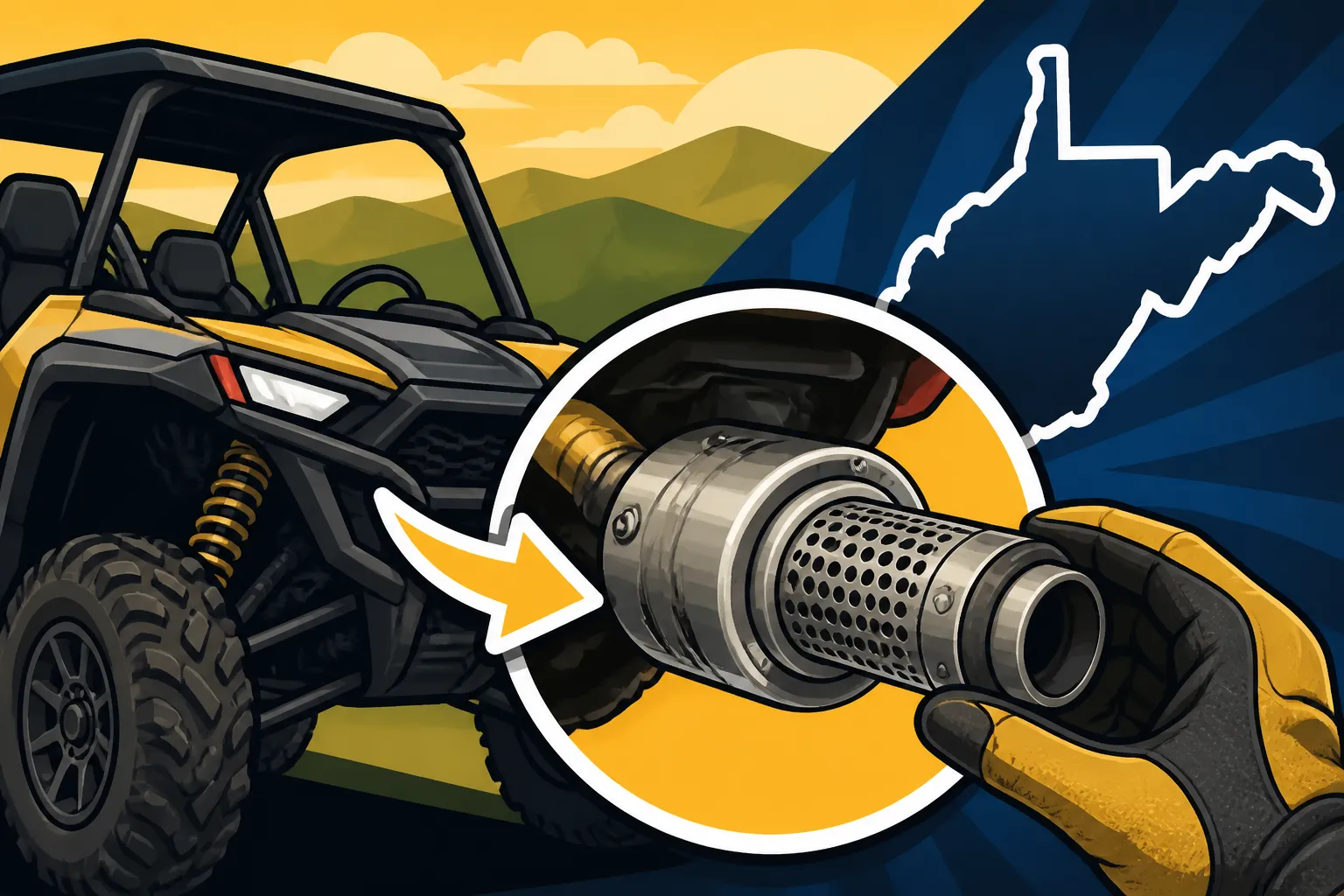
The first step is figuring out where the spark arrester actually is. On most ATVs and UTVs, the spark arrester is integrated into the muffler or located at the very end of the exhaust pipe. It's often held in place by a small screw, bolt, or a series of fasteners, allowing it to be removed for cleaning. For some machines, especially older models, it might be a fixed part of the muffler that isn't easily removable, requiring a more thorough inspection from the outside.
Here’s what to look for based on common setups:
- End Cap Style: Many machines, particularly those with a cylindrical muffler, will have a removable end cap held by a single bolt or screw. Once this is removed, the spark arrester screen is usually visible just inside.
- Internal Arrester: Some mufflers have the arrester screen built internally, meaning you can't easily pull it out. In these cases, you'll need to visually inspect as much as possible through the exhaust outlet.
- Aftermarket Exhausts: If the machine has an aftermarket exhaust, the spark arrester might be a separate insert or a different design entirely. Reputable aftermarket manufacturers like SuperATV typically ensure their systems are spark-arrested and clearly marked. Always confirm this.
You'll generally want to make sure the machine is cool to the touch before you start poking around the exhaust. A good flashlight can be invaluable for peering into dark corners.
What to Look For During Inspection
Once you've located the spark arrester, it's time for a thorough check. What you're looking for falls into a few key categories:
- Presence: Is it even there? Sometimes, previous owners remove them for perceived performance gains or simply because they were damaged and never replaced. A missing spark arrester is an immediate red flag and makes the machine illegal to operate on many West Virginia trails and public lands.
- Physical Damage: Inspect the screen or baffles for holes, tears, or significant dents. The arrester's job is to trap hot particles, and any compromise in its structure means those particles can escape. Look for signs of impact or corrosion that might have weakened the material.
- Carbon Buildup: This is perhaps the most common issue. Over time, carbon deposits from combustion can build up on the spark arrester screen, restricting exhaust flow. While this might not make it non-compliant for fire safety, it can certainly hinder your machine's performance and is a sign of neglect. A heavily clogged arrester can also get hotter, potentially increasing fire risk. If you can remove the arrester, a good cleaning with a wire brush is usually all it needs. This is often an easy fix, but it tells you something about how the previous owner maintained the machine.
- Evidence of Tampering: Look for signs that someone has tried to modify or bypass the spark arrester. This could include cut screens, drilled holes, or unusual welds. Any evidence of tampering suggests the machine may not be compliant and could be unsafe.
- Certification Stamp: Many spark arresters, especially those that come stock or from certified aftermarket manufacturers, will have a "USFS approved" (U.S. Forest Service) stamp or similar marking. While not always strictly mandatory in all areas, it's a good indicator that the component meets recognized fire safety standards. This stamp is typically small and located near the exhaust outlet or on the arrester itself.
It's a simple process, but checking these points can give you peace of mind and help avoid future headaches. If you find issues, it's a bargaining chip in your negotiation or a reason to walk away from a potentially problematic machine. It's also worth researching [Spark Arrester and Muffler Requirements in West Virginia] more broadly.
| Inspection Item | What to Check For | Implication |
|---|---|---|
| Presence | Is the arrester installed? | Missing = immediate compliance issue, fire hazard, potential fines. |
| Physical Damage | Holes, tears, dents in the screen or baffles. | Compromised effectiveness, particles can escape, non-compliant. |
| Carbon Buildup | Heavy black deposits blocking the screen. | Reduced performance, increased heat, needs cleaning. |
| Tampering | Cut screens, drilled holes, unusual modifications. | Non-compliant, fire risk, possible legal trouble. |
| Certification Stamp | "USFS Approved" or similar marking. | Indicates adherence to fire safety standards, good sign of compliance. |
Aftermarket Exhausts and West Virginia Legality
It's super common for riders to upgrade their exhaust systems, often chasing a different sound or perceived performance boost. However, when it comes to riding in West Virginia, especially on regulated trails or public lands, an aftermarket exhaust isn't always a straightforward swap. You need to be extra vigilant about legality and compliance.
The Dangers of Modified or Missing Arresters
Let's not mince words: riding with a modified or missing spark arrester is not only irresponsible, but it's also genuinely dangerous. Beyond the severe fire risk we discussed earlier, operating a non-compliant machine can lead to steep financial penalties and even legal action if your ATV or UTV causes a fire. Imagine the guilt and financial ruin if your machine sparked a blaze that destroyed acres of forest or, God forbid, someone's property.
Beyond fire, there are also noise regulations to consider. Many aftermarket exhausts are significantly louder than stock systems, and while not directly related to spark arresters, excessive noise can also lead to citations, especially in or near trail towns or residential areas. [West Virginia Noise Complaints About ATVs] are a real thing, and local authorities do respond to them. The intent of these rules is to allow everyone to enjoy our beautiful state responsibly. When an arrester is removed or altered, the machine is essentially an uncontrolled fire hazard, completely undermining that responsible enjoyment.
Ensuring Compliance with Aftermarket Parts
If you're considering a used machine with an aftermarket exhaust, or if you plan to upgrade one yourself, it's absolutely crucial to verify that the system is spark-arrested and compliant with West Virginia regulations. Don't just take the seller's word for it; ask for proof or inspect it yourself using the steps above.
Here's how to ensure compliance:
- Look for USFS Approval: As mentioned, a U.S. Forest Service (USFS) approved stamp is the gold standard for spark arresters. If an aftermarket exhaust has this marking, you can generally be confident it meets fire safety standards.
- Reputable Brands: Stick to well-known, reputable aftermarket manufacturers like SuperATV. These companies understand the need for compliance and design their products to meet various regulations. Their product descriptions and packaging should clearly state if a system includes a spark arrester and if it's USFS approved. If you're looking to purchase a new muffler or a specific component like a spark arrestor insert, it's always best to check with these established brands first.
- Documentation: If possible, ask for any documentation that came with the aftermarket exhaust, such as installation guides or warranty cards, which might also include compliance information.
- Consult Local Experts: If you're unsure, visit a local ATV or UTV dealer or a specialized mechanic in West Virginia. They often have firsthand knowledge of what systems pass muster and what doesn't. They can also advise on [Aftermarket Exhaust and West Virginia Road Legality], as the rules can be similar for road-legal use and trail riding.
Ultimately, ensuring your used machine has a proper spark arrester isn't just about following rules; it's about being a responsible rider and protecting the stunning environment that makes West Virginia such a fantastic place to ride. Don't let a small detail turn your adventure into a regret.
Disclaimer
This article is for general informational purposes only and does not constitute professional advice. Laws, prices and regulations vary by location and change over time. Consult a qualified professional for guidance on your specific situation.