Parking an ATV on a West Virginia Main Street
You've just ridden your ATV or UTV into a bustling West Virginia trail town, the engine cooling down, dust settling around your tires, and that familiar rumble echoing in your chest. Now you're facing a common but often confusing challenge: where do you park this magnificent machine so you can grab a bite, pick up supplies, or just stretch your legs without worry? This guide will walk you through the ins and outs of parking your ATV or UTV on a West Virginia main street, helping you understand the rules, avoid headaches, and make the most of your adventure.
The Allure of Main Street: Why Riders Park Their ATVs in West Virginia Towns
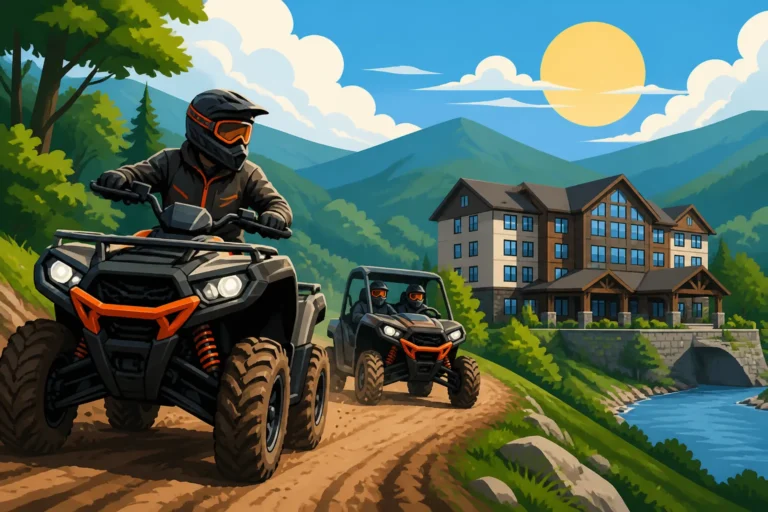
There’s a unique charm to riding your ATV right into the heart of a West Virginia trail town. These communities have embraced the off-road culture, transforming themselves into welcoming hubs where riders are not just tolerated, but celebrated. Parking on Main Street isn't just about convenience; it's part of the experience, offering a direct connection to the local flavor and amenities.
Connecting to the Heart of Trail Towns
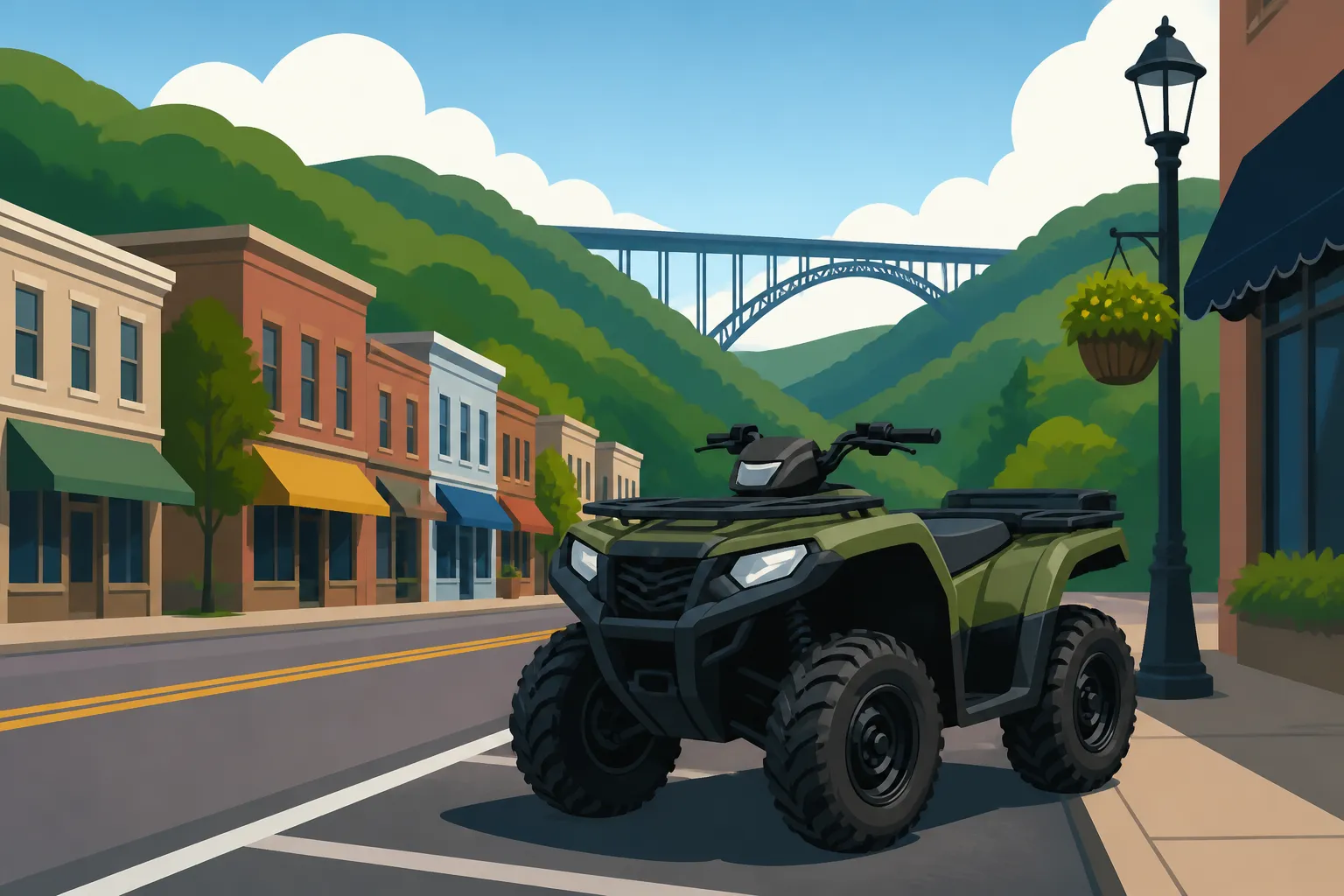
Imagine cruising off the [Rockhouse Trail System] after a day of exhilarating riding, your stomach rumbling. The thought of a hot meal and a cold drink is paramount. Trail towns like Gilbert, Man, or Williamson have designed their downtown areas to be accessible by ATV and UTV, understanding that riders want to transition seamlessly from trail dust to local comfort. Being able to park directly on Main Street means you're just steps away from a delicious burger, a unique souvenir, or even your cabin for the night.
It’s about more than just food and lodging; it’s about immersion. You’re not just a visitor passing through; you're part of the vibrant scene, adding to the energy that makes these towns so special. Seeing rows of mud-splattered side-by-sides lined up alongside pickup trucks is a common sight, reflecting the community's dedication to supporting the off-road tourism that has revitalized so many areas.
Convenience for Essentials and Leisure
Beyond the social aspect, parking on Main Street offers unparalleled practicality. Need to fill up your tank? Many Main Street gas stations are set up to accommodate ATVs, and you can pull right up to the pump. Forgot something crucial for your ride, like a spare belt or a first-aid kit? Local shops often cater specifically to riders, stocking everything from [DOT Tires for a Street-Legal Side-by-Side] to trail snacks.
This direct access also means less fuss. Instead of having to trailer your machine to a parking lot on the outskirts of town and then walk or shuttle in, you can simply pull into an available spot, lock up, and enjoy the town. This convenience is a huge draw for riders, especially after a long day on the trails when tired legs appreciate a shorter walk to their destination. For many, the ability to effortlessly access all a town has to offer is a key part of the West Virginia trail town experience.
Navigating the Law: Is Parking on Main Street Even Legal for ATVs?
This is where things can get a little tricky, and it's perhaps the most common question riders have. West Virginia has made great strides in creating ATV-friendly communities, but "ATV-friendly" doesn't always mean "anything goes." Understanding the legal nuances between state laws and local ordinances, as well as the distinction between a standard ATV and a Street-Legal Special Purpose Vehicle (SPV), is crucial to avoid tickets or other issues.
State Laws Versus Local Ordinances: A Complex Web
West Virginia state law generally prohibits ATVs and UTVs from public roads, with some specific exceptions like crossing a highway or riding on secondary roads under certain conditions, such as [West Virginia's 10-Mile, 25 mph Road Rule]. However, many West Virginia towns, especially those designated as "trail towns" in the Hatfield-McCoy network, have passed their own local ordinances that grant ATVs and UTVs access to municipal roads, including Main Streets. This is why you see so many machines cruising through places like Gilbert, Man, or Mullens.
The critical takeaway here is that you absolutely must know the specific rules for the town you're in. What's perfectly legal in Gilbert might lead to a citation in a neighboring town that hasn't enacted similar ordinances. These local laws dictate not only if you can ride on their streets but also how you can park. Some towns might have specific zones, while others treat ATVs like any other vehicle in a standard parking spot. Always look for signage or check with local businesses or visitor centers if you're unsure.
Street-Legal SPVs and Standard ATVs: Different Rules, Different Risks
The type of machine you're riding can also significantly impact where and how you can park on a main street. If you've gone through the process of [Making a UTV Street Legal in West Virginia], you've likely obtained a [West Virginia's Street-Legal Special Purpose Vehicle Plate]. These SPVs are outfitted with specific safety equipment like turn signals, mirrors, and DOT-approved tires (often sourced from companies like SuperATV) to comply with road-legal requirements.
For SPV owners, parking on Main Street is generally treated much like parking a regular car or truck. You're subject to the same parking meters, time limits, and general parking regulations as any other vehicle. This offers a lot more freedom and less worry. However, if your machine is a standard off-road ATV or UTV without an SPV plate, your ability to park on a public main street is entirely dependent on those specific local trail town ordinances. In such cases, these ordinances usually allow for street access but often come with stricter rules about where you can park and for how long. The risks of parking an unplated, non-SPV machine illegally are much higher, potentially leading to immediate fines or even towing if you're outside a designated ATV-friendly zone.
Finding a Spot: Where You Can (and Should) Park Your Off-Road Machine
Once you've confirmed that parking your ATV or UTV on a particular main street is permitted, the next step is actually finding a suitable spot. Unlike cars, which have very standardized parking requirements, ATVs and UTVs can sometimes fit into smaller spaces or present unique challenges in crowded areas. Knowing where to look and understanding basic parking etiquette will make your stop much smoother.
Designated ATV/UTV Parking Zones
Many of West Virginia's progressive trail towns have recognized the need for dedicated parking for off-road machines. You'll often find these areas clearly marked with signs, sometimes even featuring specific painted stalls or chained-off sections specifically for ATVs and UTVs. These designated zones are your absolute best bet, as they signal that the town actively welcomes and accommodates riders. They might be alongside the main thoroughfare, or in a specific lot just off the main drag.
The advantage of these spots is clear: you're parking legally, safely, and in an area designed with your machine in mind. These areas are often chosen for their visibility and security, making them a smart choice. Keep an eye out for "ATV Parking" or "UTV Parking" signs as you enter or cruise through a town like Man or Logan. Sometimes, these are oversized spaces that can accommodate a larger side-by-side, or even pull-through options that prevent the need for tricky backing maneuvers in a busy street.
Utilizing Standard Parking Spaces
In towns where specific ATV/UTV parking zones aren't available, or when those zones are full, you'll often be able to use standard parking spaces, provided the local ordinances permit it. This usually applies more directly to Street-Legal SPVs, but many trail towns extend this courtesy to all permitted off-road vehicles. When using a standard spot, treat your ATV or UTV just like any other vehicle.
If it's a parallel parking space, position your machine neatly within the lines, ensuring you're not extending too far into the traffic lane or blocking a driveway. For angled or perpendicular spots, pull in completely so the front of your machine isn't protruding. Remember, you might be able to fit two smaller ATVs into a single car spot, but it's often wiser to take up one full spot per machine, especially for wider side-by-sides. If there's a parking meter, feed it! Don't assume your machine is exempt; ignorance won't save you from a ticket. When in doubt, err on the side of caution and find a spot that leaves no question about legality or obstruction.
Parking Etiquette and Common Sense
Beyond the letter of the law, a little common sense and good etiquette go a long way in ensuring a positive experience for everyone. Always strive to park in a way that doesn't inconvenience others. This means avoiding blocking business entrances, crosswalks, fire hydrants, or driveways. Never double-park, even if it's "just for a minute" – that minute can easily turn into a longer stay and block traffic or emergency vehicles.
Be mindful of the size of your machine. A wide UTV, perhaps with custom modifications from a brand like SuperATV, can take up a lot of space. Don't crowd other vehicles, and leave enough room for people to get in and out of their cars or walk by safely. If you're riding with a group, try to park together in an organized manner, rather than haphazardly scattering your machines. Maintaining a good reputation for ATV riders in these towns ensures that these street access privileges continue for years to come. Remember, you're an ambassador for the entire riding community, and your actions reflect on all of us.
Avoid the Hassle: Where Not to Park Your ATV on Main Street
Just as important as knowing where to park is understanding where you absolutely should not park. Ignoring these restrictions can lead to frustration, costly tickets, towing fees, and even potential damage to your machine. These are not just minor inconveniences; they can put a significant damper on an otherwise fantastic riding trip.
Restricted Zones and Private Property
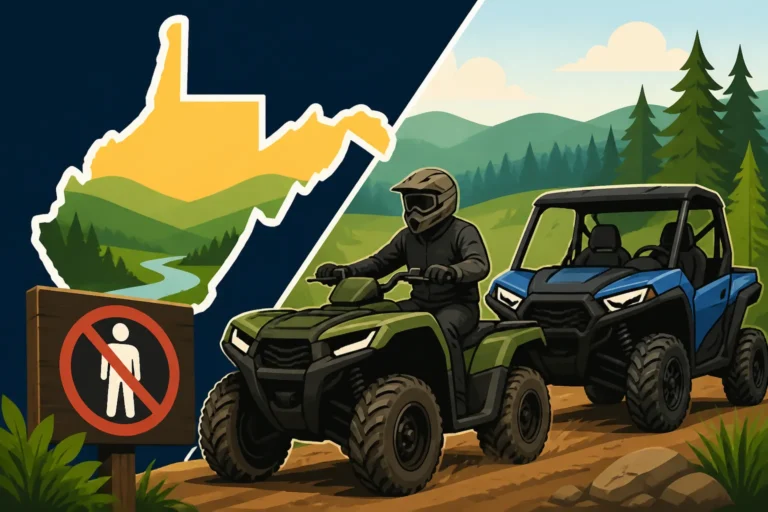
First and foremost, heed all "No Parking," "Tow Away Zone," or "Fire Lane" signs. These aren't suggestions; they are explicit prohibitions. Parking in these areas, even for a moment, is asking for trouble. Emergency services need clear access, and blocking them isn't just illegal, it could have serious consequences. Similarly, steer clear of handicap-accessible spots unless you have the proper placard and a person requiring it is with you.
Parking on private property without permission is another major no-no. This includes business parking lots that aren't specifically designated for public ATV parking, or residential driveways. Just because a lot looks empty doesn't mean it's fair game. A business owner might have specific plans for their lot, or a resident might need access at any moment. When you park on private land without consent, you're trespassing, and the property owner has every right to have your machine towed at your expense. Always look for clear signage indicating public parking or specific ATV permission. If you're staying at a lodge or cabin, make sure you understand [ATV Parking Rules at a West Virginia Trailhead Lot] or where on their property they want you to park.
Obstructing Traffic Flow or Pedestrian Paths
One of the quickest ways to draw negative attention and potentially earn a citation is by obstructing the flow of traffic or pedestrian paths. This includes:
- Double Parking: Never park alongside an already parked vehicle. This severely restricts the road for other drivers and can be a major hazard.
- Blocking Crosswalks or Intersections: Pedestrians need clear passage, and vehicles need clear sightlines at intersections. Parking too close to either is dangerous and illegal.
- Parking on Sidewalks: Unless explicitly permitted by a very rare local ordinance (which is highly unlikely in most cases), ATVs and UTVs do not belong on sidewalks. These are for people, not vehicles. While a modified machine with heavy-duty tires from SuperATV might feel at home off-road, it's out of place on a sidewalk.
- Exceeding Parking Space Boundaries: Whether you're in a parallel or perpendicular spot, make sure your machine fits entirely within the painted lines. Don't let your front or rear end stick out into the driving lane, creating an impediment for passing vehicles.
Ignoring these common-sense rules not only puts you at risk of a ticket but also creates a negative impression of ATV riders within the community. Trail towns thrive on the goodwill of locals and visitors alike, so do your part to be a courteous and responsible rider.
The Fallout of Improper Parking: Penalties and Risks
Nobody wants to come back to their ATV after a nice meal to find a bright orange ticket flapping in the wind, or worse, an empty parking spot where their machine used to be. Understanding the potential consequences of improper parking—beyond just the monetary fine—can help reinforce the importance of parking responsibly and legally.
Tickets, Fines, and Impoundment
The most immediate and common consequence of illegal parking is a parking ticket. The cost of these fines can vary widely depending on the specific ordinance and the severity of the infraction, but they are almost always more expensive than just following the rules or paying for a meter. A simple parking violation might be a minor hit to your wallet, but repeated offenses or more serious infractions can quickly escalate.
Beyond just a ticket, if your ATV or UTV is parked in a truly problematic or prohibited area (like a fire lane, blocking traffic, or on private property after a warning), it runs the risk of being impounded. This is a significantly more expensive and time-consuming ordeal. Not only will you have the initial parking fine, but you'll also be responsible for towing fees, impound lot storage fees, and potentially administrative fees from the local police department. Retrieving an impounded machine can mean hours spent navigating bureaucracy, arranging transport, and shelling out hundreds of dollars. It can absolutely ruin your riding trip and put a major dent in your vacation budget.
Theft, Vandalism, and Damage Concerns
Beyond official penalties, illegally or carelessly parked ATVs are also more vulnerable to less official but equally frustrating issues: theft, vandalism, and accidental damage. Parking your expensive machine in a poorly lit area, out of sight, or in a place known for trouble simply invites problems. A UTV, especially one with aftermarket accessories from a brand like SuperATV, is a valuable target.
- Theft: While rare in the bustling main streets of active trail towns, leaving your machine unlocked, keys in the ignition, or parked in an obscure spot increases the risk of it being stolen. [Recovering a Stolen ATV Through Its Title] is a process no one wants to go through.
- Vandalism: An improperly parked machine might annoy a local or another rider, leading to acts of vandalism, from minor scratches to slashed tires.
- Accidental Damage: Parking in a tight spot, too close to traffic, or where it might be bumped by other vehicles or even pedestrians can lead to dents, scrapes, or broken parts. This is especially true if your machine protrudes into a traffic lane where it might be clipped by a passing truck.
These risks underscore the importance of choosing a well-lit, visible, and legally sanctioned parking spot. Your peace of mind is worth the extra few minutes it might take to find the right place.
Smart Parking Strategies for a Worry-Free West Virginia Ride
Now that we've covered the whys and why-nots, let's talk about proactive strategies to ensure your parking experience on a West Virginia main street is as smooth and worry-free as your ride on the trails. A little preparation and mindful behavior can make all the difference.
Researching Your Destination Town's Specific Rules
The single best piece of advice is to do your homework before you arrive. Don't assume that what applies in one trail town will apply in another. Each community has its own specific ordinances regarding ATV access and parking.
- Check Town Websites: Many West Virginia trail towns have websites where they outline their ATV rules, including parking regulations. Look for sections on "Visitor Information" or "ATV/UTV Rules."
- Call Ahead: If you're unsure, call the local town hall, police department (non-emergency number, of course), or a local business (like your lodging or a restaurant) that caters to riders. They can usually provide current and accurate information.
- Look for Signage: Once you arrive, pay close attention to street signs. Towns that allow ATV parking will often have clear signs indicating where you can and cannot park.
- Consult Visitor Centers: Visitor centers in trail towns are fantastic resources. They can provide maps, explain local rules, and point you to designated parking areas.
By taking these steps, you eliminate guesswork and significantly reduce your chances of encountering an issue. This preparation is just as important as knowing [West Virginia's 20-Mile Centerline Limit for an SPV] if you plan to ride your machine on pavement.
Securing Your Machine While You're Away
Even in the friendliest trail towns, it's wise to take precautions to secure your ATV or UTV, especially if you're leaving it unattended on Main Street for any length of time.
- Lock It Up: Invest in quality locks. A good cable lock through the wheels or frame, or a steering wheel club, can deter opportunistic thieves. If your side-by-side has a locking storage compartment, use it for valuables.
- Remove Valuables: Don't leave wallets, phones, cameras, or other tempting items visible in your machine. Take them with you or secure them out of sight.
- Alarm Systems: Some modern UTVs come with integrated alarm systems. If yours doesn't, consider an aftermarket alarm from a company like SuperATV for added peace of mind.
- Visible Parking: Whenever possible, park in well-lit areas with plenty of foot traffic. Thieves prefer secluded, dark spots.
- Consider Insurance: Ensure your ATV or UTV is adequately insured. While it won't prevent theft or damage, it will help you recover financially if the worst happens. [Insuring an ATV in West Virginia] is a critical step for any owner.
Being a Good Neighbor: Respecting Locals and Businesses
Finally, remember that the privileges of riding and parking on Main Street in West Virginia trail towns are built on a foundation of mutual respect. To ensure these unique opportunities continue, it's essential for riders to be good neighbors and respectful visitors.
- Support Local Businesses: These towns thrive on tourism. Spend your money at their restaurants, shops, and lodging establishments. Your economic impact reinforces the value of ATV tourism.
- Keep Noise Down: While the rumble of a performance exhaust is thrilling on the trail, keep revving and excessive noise to a minimum on Main Street, especially during evening hours. Be mindful of residential areas.
- Clean Up After Yourself: Don't leave trash, mud, or debris around your parking spot. Be courteous and leave the area as clean as you found it.
- Follow Speed Limits: When riding on Main Street, adhere strictly to posted speed limits. This isn't the trail; it's a public road with pedestrians, children, and other vehicles. Respecting traffic laws is paramount, including those about [West Virginia ATV Speed Limit on a Public Road].
By being a responsible and considerate rider, you contribute positively to the symbiotic relationship between the off-road community and the welcoming trail towns of West Virginia.
| Parking Type | SPV (Street-Legal) | Standard ATV/UTV (Non-SPV) | Considerations |
|---|---|---|---|
| Designated ATV/UTV Zones | Yes | Yes | Always the best and safest option. Clearly marked in trail towns. |
| Standard Car Spaces | Yes | Depends on Local Ordinance | Treat as a regular vehicle for meters/time limits. Ensure full fit within lines. |
| No Parking Zones | No | No | Absolutely forbidden. Risk of tickets, fines, and towing. |
| Private Property | No | No | Only with explicit permission. Respect business lots and residential driveways. |
| Sidewalks/Crosswalks | No | No | Never park on sidewalks or obstruct pedestrian/vehicle traffic. |
| Fire Lanes | No | No | Critical for emergency access. Violations carry severe penalties. |
Disclaimer
This article is for general informational purposes only and does not constitute professional advice. Laws, prices and regulations vary by location and change over time. Consult a qualified professional for guidance on your specific situation.