Riding the Trails During TrailFest
TrailFest can turn a relaxed West Virginia ride into a busy weekend of full trailhead parking, crowded town streets, and last-minute changes to your plans. A little preparation makes a big difference. This guide explains how to choose a trail system, plan your ride, handle event-day logistics, and stay considerate when riding during TrailFest.
What to Expect When Riding During TrailFest
More riders, more activity, and less room for improvising
TrailFest brings extra energy to Southern West Virginia’s riding towns, but that can also mean more vehicles arriving at the same trailheads, busy lodging areas, and popular routes with heavier-than-usual traffic. The exact schedule, activities, and operating details can vary, so treat the event as a reason to plan ahead rather than assuming every year follows the same pattern.
That doesn’t mean you need to avoid riding. It means choosing your starting point and route with a little more care. A group planning to ride from Gilbert, for example, should allow time to park, unload, check in where required, and get settled before heading out. If your plan depends on a quick arrival and an immediate departure, a crowded event morning can make the day feel rushed.
Expect to share trail routes with riders of different experience levels and machine types. You may encounter a family taking a slower pace, a group stopping to consult a map, or a side-by-side waiting for room to pass. Leave extra space, be patient, and avoid assuming that a slow-moving group is ready to pull over at the first opportunity.
If you’re new to the area, start with the basics in The Hatfield-McCoy Trails, West Virginia’s 1,200-Mile Network and West Virginia’s Thirteen Hatfield-McCoy Trail Systems. Knowing which system you’re aiming for—and where its access point is—makes it easier to choose lodging, fuel stops, and a realistic ride plan.
Choose your riding area around your group
The best system for your TrailFest weekend depends on more than the event itself. Think about your group’s experience, the kind of machine you’re bringing, how long you want to ride, and whether you want to finish near a town for food or lodging. A group staying near Gilbert may make different choices from riders based around Matewan, Logan, or Pineville.
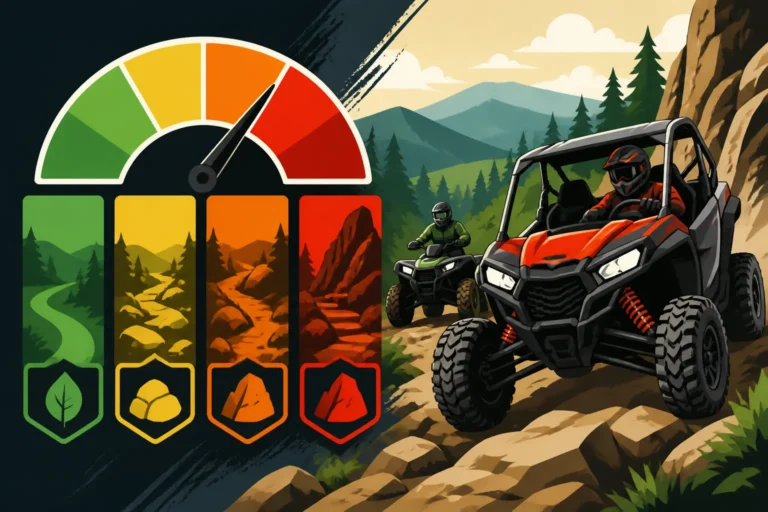
Don’t choose solely by a trail system’s reputation. A demanding route can be a poor fit for a mixed group with beginners, children, or riders who haven’t handled steep, rocky terrain. Look at the current trail maps and difficulty information, then pick routes that leave room for breaks and slower travel. West Virginia Trail Difficulty and How It Is Marked can help you think through trail ratings before you commit to a route.
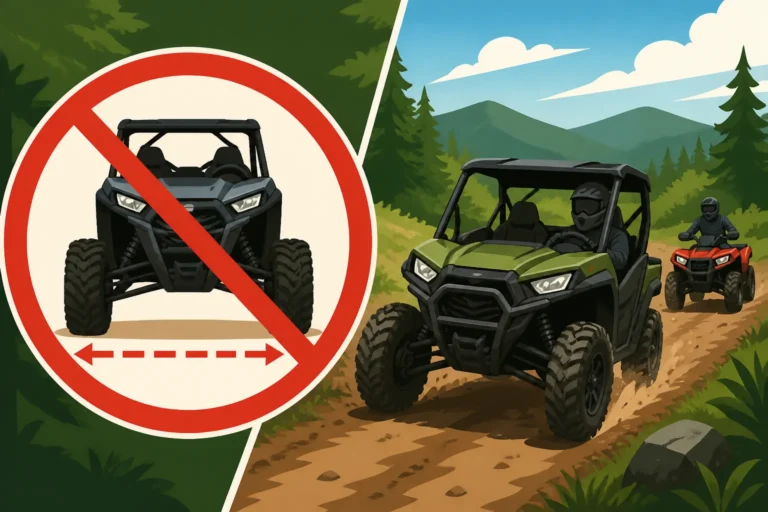
Also check machine-width restrictions before the trip. A route that works for a narrow ATV may not suit a wider side-by-side. Confirm that your machine fits the trails you intend to ride rather than discovering a restriction after you’ve unloaded. For additional planning, see West Virginia Trail Systems Best Suited to Side-by-Sides and Wide Machine Restrictions on West Virginia Trails.
| Planning question | Why it matters during TrailFest | Practical move |
|---|---|---|
| Where will we start? | Popular access points may be busy | Choose your trailhead before leaving lodging |
| What machines are in the group? | Width and capability can affect route choices | Check system restrictions and trail details |
| How experienced is everyone? | Mixed skill levels can slow a ride | Pick a route that suits the least experienced rider |
| When will we fuel and eat? | Town services and stops can be busy | Plan breaks before you leave the trailhead |
| What if plans change? | Event activities or trail conditions may affect timing | Identify a backup route and meeting point |
How to Prepare for a TrailFest Ride
Confirm permits, access, and event details before you travel
Before loading the trailer, check the official event information and the current status of the trail system you plan to visit. Look for schedule changes, trail closures, access instructions, and any event-specific registration or parking information. Don’t rely on an old social media post or last year’s itinerary; details that seem minor can affect where you need to go and when.
Make sure each rider understands which permits or other paperwork apply to their trip. A rental package, cabin reservation, or guided outing may include some arrangements, but don’t assume that every booking covers every requirement. Review West Virginia’s Hatfield-McCoy Trail Permit Explained and Permits West Virginia Riders Actually Need, then confirm any details that apply to your circumstances.
Keep your important information easy to reach. Save lodging directions, the trailhead address, emergency contacts, and the event schedule on your phone. A paper note in the glove box is useful if a phone battery dies or reception is poor. If you’re traveling with a group, send the basics to everyone rather than leaving all the details with one driver.
Build a route that leaves room for delays
A TrailFest ride is more enjoyable when the schedule has breathing room. Estimate the time for unloading, getting organized, and riding at the pace your whole group can manage. Add time for restroom breaks, trail intersections, photos, mechanical checks, and any stops where people may need to regroup. A plan that looks short on a map can take longer when the group is large or the terrain is unfamiliar.
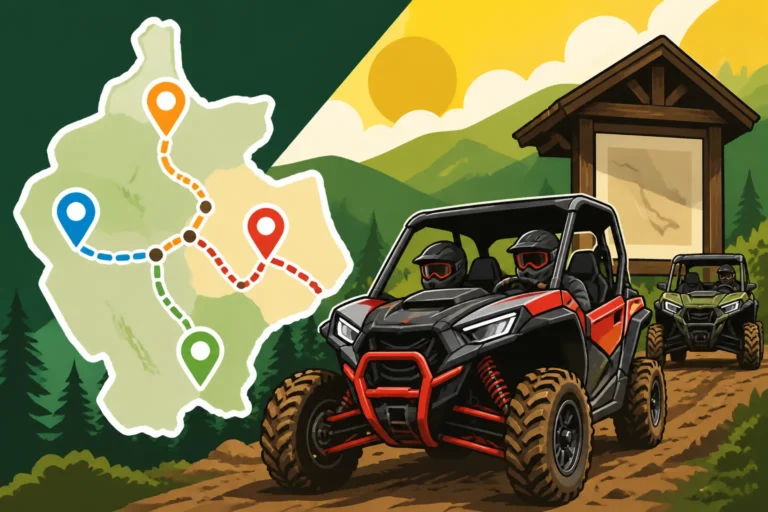
Use a current map and agree on a route before you leave the trailhead. onX Offroad can be useful for reviewing route options and keeping a map accessible on your phone, especially when you save information for offline use in areas where reception may be unreliable. Check that your selected route matches the system’s marked trails and any applicable restrictions; a digital map is a planning aid, not permission to leave an authorized route.
Choose a clear meeting point in case the group becomes separated. “We’ll meet at the next intersection” is vague when there are several junctions and people may not know which one the others mean. Name a particular trailhead, signed junction, or other unmistakable location, and make sure every rider knows what to do if someone stops or takes a wrong turn.
Riding Considerately on Busy Trails
Keep your group together without blocking the route
Before setting out, agree on a riding order. Put a confident, attentive rider at the front and a capable rider at the back. The lead rider can choose a steady pace and watch for junctions; the last rider can notice if someone falls behind. This simple arrangement is especially helpful when the group includes new riders or children.
Keep enough distance to react to dust, loose rock, sudden stops, or a rider changing direction. Don’t crowd the machine ahead just because the trail is moving slowly. At the same time, avoid letting the group stretch so far apart that riders lose sight of one another at turns. Regroup at safe locations where everyone can stop without blocking other trail users.
If another group approaches, use patience and good judgment. Find a safe, visible place to make room when practical, and avoid stopping in a blind corner or on a steep section where restarting could be difficult. A quick, friendly signal helps, but don’t assume the other riders have seen you. On busy weekends, careful communication is more useful than trying to squeeze through a tight spot.
For a refresher on shared-route behavior, read West Virginia Trail Etiquette on Shared Routes. If you’re riding with children, review Riding West Virginia Trails With Kids and discuss expectations before everyone gets on their machines.
Respect trail boundaries and changing conditions
Stay on marked, authorized routes. Shortcuts around mud, closed gates, or difficult sections can lead onto private property or areas that aren’t open to riding. A route that looks passable on a map may be closed or unsuitable on the ground, so follow posted signs and barriers even when other riders appear to be going another way.
Conditions can shift with weather and heavy use. Mud may hide ruts, rocks, or holes; a creek crossing can behave differently after rain; and loose material on a slope can change how a machine handles. Slow down when visibility is poor, keep both hands available for control, and don’t pressure a less-experienced rider into tackling an obstacle beyond their comfort level.
Before departure, check for current closure notices and trail updates. If you encounter a closure sign or damaged section, turn around and follow the designated route rather than improvising a detour. Trail Closures on West Virginia’s Trail System and West Virginia Trail Conditions After Rain offer useful context for building a safer backup plan.
Making the Weekend Work Beyond the Trail
Plan parking, fuel, and downtime in advance
TrailFest is not just a ride; it’s a weekend involving trailers, lodging, food, and other people trying to do the same things. Confirm where you’re allowed to park your truck and trailer, especially if you’re staying in a small town or at lodging with limited space. Don’t assume you can leave a trailer at a trailhead overnight unless the location’s rules allow it.
Fuel planning deserves attention. Don’t start a long ride with a tank that is nearly empty and assume you’ll find fuel exactly when you need it. Identify suitable stops before the ride, and ask lodging staff or local businesses about practical options for your route. Keep in mind that fuel availability, opening hours, and access can vary, so arrive with enough margin to handle a change of plan.
Meals and breaks also take longer with a group. Agree on where you’ll stop and whether the group wants to ride back to town together. Riders who want a more detailed preparation list can use What to Carry on a Remote West Virginia Ride and Fuel and Food Along West Virginia Trails to make a practical checklist.
Have a backup plan for people, machines, and weather
Set a realistic turnaround time. If the group is delayed, a rider feels unwell, or the weather changes, don’t let the original itinerary become more important than getting everyone back safely. Decide beforehand who can make the call to shorten the ride and how the group will communicate that decision.
Prepare for a minor mechanical issue even if your machine has been reliable. Bring basic tools that suit your machine, a tire repair option if appropriate, water, and a way to contact someone in your group. Keep essential items secured so they don’t bounce out on rough terrain. If you’re riding with a rental, understand the provider’s breakdown and recovery instructions before leaving the pickup point.
Finally, give yourself time to unwind. A busy riding day can leave everyone tired, and tired riders are more likely to make poor choices on the way back to lodging. Plan to park, clean up, and rest rather than squeezing in one last trip after the group is already worn down. When TrailFest is planned around the people riding—not just the number of trails on the map—it’s much easier to enjoy the event without turning the weekend into a race against the clock.
Disclaimer
This article is for general informational purposes only and does not constitute professional advice. Laws, prices and regulations vary by location and change over time. Consult a qualified professional for guidance on your specific situation.