West Virginia Road Riding in Heavy Rain
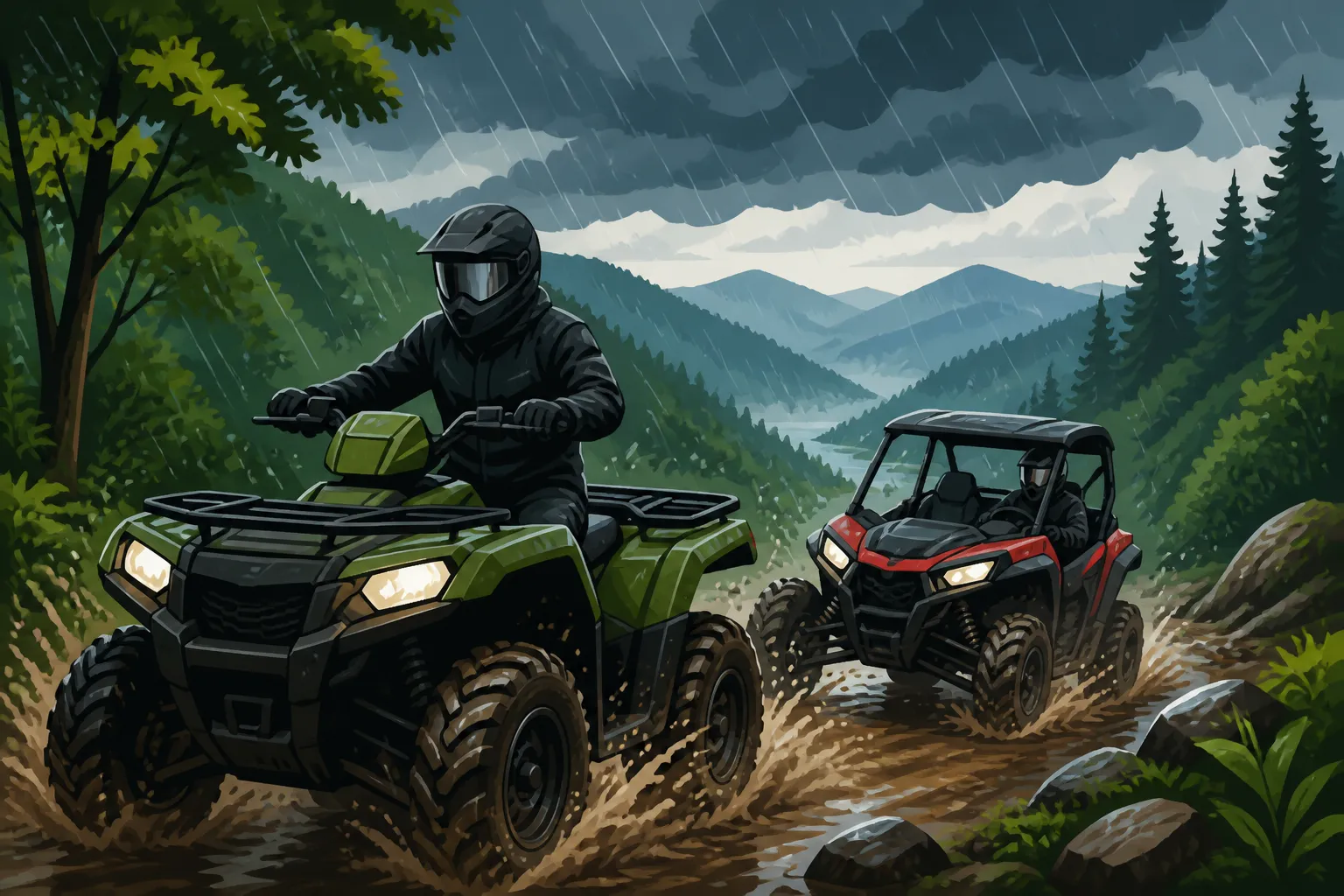
Riding your ATV or UTV on West Virginia roads is an incredible experience, offering views you just can't get anywhere else and the freedom to explore our beautiful state. But let's be real: Mother Nature doesn't always cooperate, and you'll inevitably find yourself caught in a sudden mountain downpour. This guide will walk you through the very real challenges and dangers of riding your machine on public roads in heavy rain and equip you with the knowledge to stay safe, visible, and legal when the skies open up.
The Unique Dangers of Wet West Virginia Roads for ATVs and UTVs
When the rain starts to fall in West Virginia, our roads transform, and not always for the better. What might be a minor inconvenience in a car becomes a significant safety concern on an ATV or UTV. You're more exposed, your machine handles differently, and the risks multiply. It's crucial to understand these dangers before you ever turn the key in wet conditions.
Reduced Traction and Hydroplaning Risks
One of the most immediate and critical dangers of riding on wet pavement with an ATV or UTV is the dramatic reduction in tire traction. Unlike a car, your machine often has tires designed for off-road grip—knobby treads that excel in mud and dirt but can be surprisingly slick on wet asphalt or concrete. These tires have less surface contact on smooth, wet roads, making them prone to slipping.
The phenomenon of hydroplaning is a serious concern. This happens when a layer of water builds up between your tires and the road surface, causing your machine to lose contact with the ground and essentially surf on the water. Because ATVs and UTVs are lighter than cars and often have wider, more aggressive tires, they can be particularly susceptible to hydroplaning, even at lower speeds. Imagine losing steering and braking control completely—it’s a terrifying prospect, especially on a winding mountain road. Your tires need good tread depth to channel water away effectively. If your tires are worn, their ability to shed water is severely compromised, escalating this risk.
Impaired Visibility for Riders and Other Drivers
Heavy rain doesn't just make the road slippery; it severely impacts visibility, creating a double-edged sword for ATV and UTV riders. For you, the rider, rain can quickly overwhelm your helmet visor or goggles, making it difficult to see clearly. Water droplets distort vision, and fogging becomes an instant enemy, especially when you slow down or stop. If you're wearing a full-face helmet, a good anti-fog insert or treatment is invaluable. For open-face helmets or UTVs, the relentless spray from tires—both your own and other vehicles—can quickly blind you.
Even more critically, heavy rain significantly reduces visibility for other drivers on the road. A rain-slicked windshield, coupled with spray from other vehicles, can turn your brightly colored machine into a ghostly blur for someone in a car. They might not see your headlights, taillights, or even your turn signals until it's too late. Our machines are inherently smaller than most vehicles, making them harder to spot in ideal conditions, let alone in a torrential downpour. This is a primary reason why enhancing your machine's visibility is not just a good idea, but an absolute necessity when riding in the rain.
Flash Flooding and Debris Hazards
West Virginia's mountainous terrain, steep hillsides, and countless hollows are beautiful, but they also make our roads incredibly vulnerable to flash flooding and debris. A seemingly innocent drizzle can quickly turn into a raging downpour, causing creeks to swell and overflow their banks in minutes. Roads that usually run alongside a gentle stream can become rushing rivers, turning low-water crossings into deadly traps. Never, ever attempt to cross a flooded road or creek crossing if you cannot clearly see the bottom or if the water is moving quickly. The current can easily sweep your machine away, and hidden hazards beneath the surface can stop you cold.
Beyond the water itself, heavy rain dislodges rocks, branches, mud, and other debris from hillsides and unpaved areas, washing them directly onto the paved road. You might round a blind corner only to find a rockslide or a tree branch blocking your path. Potholes, already a common annoyance, can fill with water, masking their true depth and severity. Hitting a deep pothole or a hidden piece of debris at speed, especially on a two-wheeled ATV, can lead to an immediate loss of control or severe damage to your machine. Always assume there are hidden dangers in standing water or on wet stretches of road.
Essential Gear and Machine Prep for Rainy Road Rides
Being caught unprepared in a sudden downpour can quickly turn a fun ride into a miserable—or even dangerous—ordeal. Just like you wouldn't head out on the trails without proper safety gear, riding on West Virginia's roads in heavy rain requires specific preparation for both yourself and your machine. Thinking ahead and equipping yourself properly can make all the difference in staying safe, dry, and visible.
Rider Gear for Staying Dry and Visible
Your personal gear is your first line of defense against the elements. A good set of waterproof outer layers is non-negotiable. This means a waterproof jacket and pants that are truly waterproof, not just water-resistant. Look for sealed seams and good closures around the cuffs and neck to prevent water from seeping in. Waterproof gloves are also critical, as wet, cold hands quickly lose dexterity and comfort, impairing your ability to control the machine. Don't forget waterproof boots to keep your feet dry; wet feet can become numb and uncomfortable very quickly.
Visibility is paramount. Choose bright colors for your outerwear, such as neon green, yellow, or orange. These colors stand out much better against the gray backdrop of a rainy day than dark tones. Incorporate reflective gear—either built into your jacket and pants or added as a vest or strips. Reflective material catches the headlights of other vehicles, making you much more visible from a distance, which is critical when other drivers' visibility is compromised. For your head, a quality helmet with a clear, fog-resistant visor is a must. If your visor tends to fog, invest in an anti-fog insert or a good anti-fog spray. Some riders prefer goggles with an open-face helmet, but ensuring those goggles have excellent anti-fog properties and a tear-off system can be beneficial to maintain clear vision.
Lighting and Visibility Enhancements for Your Machine
Your machine's lighting system is your second pair of eyes and your primary way of being seen by others. Before every ride, especially if rain is a possibility, check that your headlights, taillights, and brake lights are all fully functional and clean. Dirt or mud on lenses drastically reduces their effectiveness. Consider upgrading to brighter LED bulbs if your stock lights are dim.
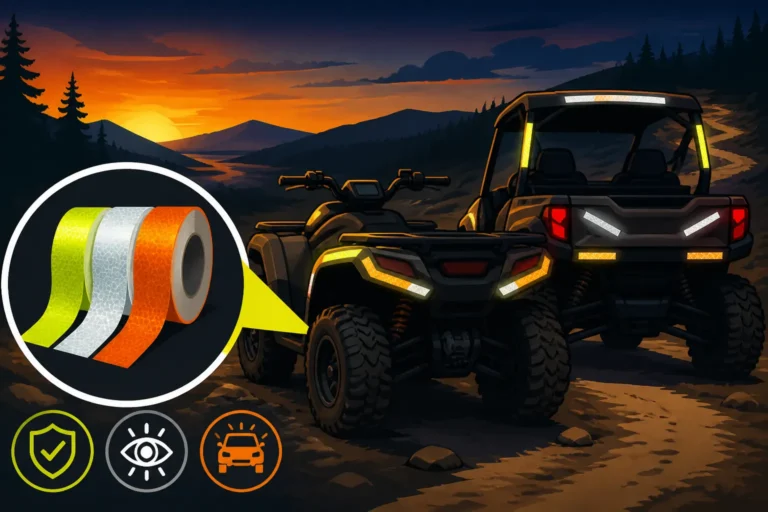
For UTVs, a windshield wiper system is a game-changer in the rain. Companies like SuperATV offer robust wiper kits that can make a huge difference in maintaining forward visibility, mimicking the functionality of a car. Auxiliary lighting, such as LED light bars or fog lights, can also significantly improve your ability to see the road ahead, especially in heavy downpours or at dusk. However, be mindful of local regulations regarding auxiliary lights on public roads; many are designed for off-road use only and can be too intense or improperly aimed for on-road driving, potentially blinding oncoming traffic. Use them responsibly and only where legal and appropriate. Adding additional reflectors or reflective tape to the sides and rear of your machine can also bolster your visibility profile, making you stand out even when your lights aren't directly facing another vehicle.
Tire and Brake Maintenance
Your tires and brakes are your machine's critical connection to the road, and their condition is amplified in wet weather. Tread depth is absolutely crucial for wet-weather performance. Tires with good, deep tread can channel water away from the contact patch, reducing the risk of hydroplaning. Worn tires, on the other hand, become almost useless on wet pavement, offering minimal grip. Regularly inspect your tires for adequate tread and signs of damage. While aggressive mud tires are fantastic off-road, some riders who do a lot of road riding, even in dry weather, consider more road-friendly ATV/UTV tires that offer better wet pavement performance without sacrificing all off-road capability.
Equally important are your brakes. In wet conditions, you'll need more distance to stop, and your brakes must be in top working order. Check your brake pads for wear and ensure your brake fluid is at the correct level and free from contamination. Test your brakes before you hit the road to confirm they are responsive and not grabbing unevenly. Water can sometimes temporarily reduce brake effectiveness, so knowing your brakes are well-maintained gives you confidence that they will perform as expected when you truly need them. This proactive maintenance is a small investment that can pay huge dividends in safety.
Safe Riding Practices When Rain Hits the Pavement
Even with the best gear and a well-prepped machine, safety on wet West Virginia roads ultimately comes down to your riding decisions. Heavy rain demands a fundamentally different approach to operating your ATV or UTV. It's about respecting the conditions, understanding your machine's limits, and prioritizing caution above all else.
Adjusting Your Speed and Following Distance
This is the golden rule, and it cannot be stressed enough: slow down significantly. The legal speed limits on West Virginia roads (like the [West Virginia's 10-Mile, 25 mph Road Rule] or the [West Virginia's 20-Mile Centerline Limit for an SPV] for SPVs) are maximums for ideal conditions. In heavy rain, they become far too fast. Reduced traction means you'll need more distance to stop, and hydroplaning risks increase with speed. Give yourself ample time to react to unexpected hazards, whether it's debris in the road or another driver's sudden movement.
Secondly, increase your following distance. The two-second rule you might use in a car should be extended to at least four or five seconds, if not more, behind other vehicles. This extra space provides a critical buffer zone, giving you more time to brake or maneuver if the vehicle in front of you stops suddenly or splashes up a wall of water, momentarily obscuring your view. Remember, your machine's stopping power is compromised in the rain, and you need all the space you can get. Gentle acceleration and braking are also key; sudden inputs can easily break traction and lead to a slide.
Navigating Puddles, Potholes, and Standing Water
Puddles are notoriously deceptive. What looks like a shallow splash might hide a deep pothole, a sharp rock, or even a washed-out section of road. Never assume a puddle's depth. If you can't see the bottom, treat it with extreme caution or, better yet, avoid it entirely. If you must cross standing water, do so slowly, maintaining a steady, low speed to minimize spray and allow you to react if you hit an unexpected obstacle. Sudden swerving to avoid puddles can be just as dangerous as hitting them, potentially causing you to lose control or veer into oncoming traffic. It's a delicate balance of careful observation and measured responses.
Keep in mind that heavily traveled roads in West Virginia often have worn spots where water tends to collect. These depressions can be especially tricky. Even seemingly minor amounts of standing water can contribute to hydroplaning, so always be on alert. After driving through any standing water, lightly pump your brakes a few times to help dry them out, restoring full braking effectiveness.
Road Conditions and When to Pull Over
Learning to read the road and the weather is a skill that comes with experience, but some signs are universal. If the rain becomes a true heavy downpour, where visibility drops significantly (to the point you can barely see the taillights of the vehicle ahead), or if there's significant standing water covering large sections of the road, it's time to consider pulling over. Your safety and the safety of others depend on it.
Finding a safe place to wait out the worst of the storm is crucial. Look for a gas station with an awning, a covered pull-off, or even a closed business with a large overhang. Avoid pulling over on the shoulder of a busy highway, as your machine will be exposed and hard to see. If you must stop on the side of the road, engage your hazard lights immediately, and if you have auxiliary lighting (used responsibly and legally), turn it on to enhance your visibility. Waiting even fifteen or twenty minutes for the heaviest rain to pass can vastly improve conditions and significantly reduce your risk. Sometimes, the safest choice is simply to pause your ride.
Legal Considerations for Wet Weather Road Riding
Even though the weather changes, the laws governing ATV and UTV use on West Virginia roads generally do not. However, riding in heavy rain can highlight the importance of adhering to these rules and can even affect how an incident might be viewed legally. It’s not just about avoiding a ticket; it’s about maintaining your legal standing and protecting yourself in adverse conditions.
West Virginia's General Road Riding Rules in Inclement Weather
West Virginia has specific laws that permit ATVs and UTVs on certain public roads, often with restrictions like the [West Virginia's 10-Mile, 25 mph Road Rule] or, for Special Purpose Vehicles, the [West Virginia's 20-Mile Centerline Limit for an SPV]. These rules remain in effect regardless of rain, but the onus is on you, the operator, to ensure your machine is operated safely under current conditions. This means if you're exceeding the speed limit (even if it's below 25 mph, but too fast for the rain), or if your machine isn't equipped with working lights and mirrors, you're not only risking an accident but also a citation.
Deputies and state police often have discretion when enforcing traffic laws, and operating a vehicle recklessly or unsafely in the rain can certainly fall under that umbrella. Make sure all your required equipment, such as headlights, taillights, brake lights, and mirrors, are functional and clean. If you have a street-legal UTV, your windshield wipers, if installed, should be working properly. The idea is that your machine should be as visible and controllable as possible given the circumstances. Don't give law enforcement or other drivers any reason to question your judgment or compliance.
Insurance and Accident Reporting in Wet Conditions
Having adequate insurance coverage for your ATV or UTV is always critical, but it becomes particularly relevant when riding in adverse conditions like heavy rain. If you're involved in an accident on a public road, your [West Virginia ATV Liability Coverage Limits] will be essential for covering damages or injuries you might cause to others. Without proper insurance, a simple fender bender in the rain can quickly escalate into a financial nightmare. Always carry proof of insurance and your trail permit if you're riding to or from the trails.
Should you be unfortunate enough to be involved in an ATV or UTV crash on a West Virginia road during heavy rain, it’s vital to follow standard accident reporting procedures. This includes checking for injuries, moving to a safe location if possible, exchanging information with other parties, and calling the police, especially if there are injuries or significant damage. The weather conditions will be a significant factor in any accident report. Providing an accurate account of the conditions, your speed, and your actions will be important for insurance claims and any potential legal proceedings. Remember, your safety is paramount, but protecting your legal standing is also a vital consideration when navigating the roads in a downpour.
| Feature | Dry Road Riding Benefit | Heavy Rain Road Riding Benefit |
|---|---|---|
| Tire Tread | Good grip, efficient power transfer | Channels water, reduces hydroplaning, crucial for stopping |
| Headlights | Illuminate path, aid visibility at night | Essential for being seen by others day or night, cuts through mist |
| Brake Lights | Signal stopping intentions | Critical warning for following vehicles with reduced visibility |
| Reflective Gear | Added visibility, especially at dawn/dusk | Significantly increases rider/machine profile in low visibility |
| Waterproof Gear | Comfort against splashes/dust | Keeps rider dry, warm, and comfortable, preventing distraction |
| Windshield Wiper | Clears dust/bugs (UTV) | Absolutely essential for clear forward vision (UTV) |
| Mirrors | Awareness of surroundings | Enhanced situational awareness when rear visibility is poor |
| Proper Speed | Efficient travel, safe cornering | Prevents hydroplaning, allows reaction time, maintains control |
Disclaimer
This article is for general informational purposes only and does not constitute professional advice. Laws, prices and regulations vary by location and change over time. Consult a qualified professional for guidance on your specific situation.