Carrying a Child as a Passenger
Few things are more rewarding than sharing the thrill of off-roading with your children. The wind in their hair, the excitement of discovery, and those precious moments exploring West Virginia's beautiful landscapes can create memories that last a lifetime. However, before you buckle up your little ones and hit the trails or backroads, it's absolutely crucial to understand the specific laws and safety guidelines that apply to carrying children as passengers on ATVs and UTVs in the Mountain State. This guide will walk you through the nuances, helping you ensure both fun and safety for your family.
The Legal Landscape: What West Virginia Says About Child Passengers
Navigating the rules and regulations around youth passengers on ATVs and UTVs can feel like trying to read a map in the dark sometimes. It’s not always as straightforward as you might think, and what feels like common sense often bumps up against specific legal requirements or manufacturer warnings. You want to do right by your kids and keep them safe, but figuring out the official stance can be a real headache.
Manufacturer's Guidelines Versus State Law
One of the biggest points of confusion for many off-road enthusiasts in West Virginia is where the line blurs between what the vehicle's manufacturer recommends and what state law actually mandates. You might have bought a brand-new side-by-side with clear stickers indicating age restrictions for passengers, only to hear conflicting information from friends or read vague local ordinances. The truth is, manufacturer guidelines are incredibly important, often forming the baseline for safety recommendations. These aren't just suggestions; they're developed through extensive testing and engineering to ensure the vehicle operates as intended with specific weight distributions and occupant sizes.
West Virginia law, particularly concerning managed trail systems like the Hatfield-McCoy Trails, often incorporates or defers to these manufacturer specifications. This means that if your UTV manufacturer states "no passengers under 12 years of age," adhering to that is not only a wise safety choice but frequently aligns with how local authorities interpret responsible riding. Ignoring these guidelines could not only put your child at risk but also potentially lead to legal issues or void your insurance coverage in the event of an incident. It's a layer of complexity that can make a family outing feel less spontaneous, but it's there for a reason.
Age and Size Restrictions for ATVs
Let's be blunt: carrying a child as a passenger on a single-rider ATV (the kind where you straddle a seat) is almost universally prohibited and incredibly dangerous. These machines are designed for one rider only, and the balance required to operate them safely is compromised significantly by a passenger, especially a child who might shift their weight unexpectedly. Many ATVs are clearly marked "NO PASSENGERS." This isn't just a suggestion; it's a critical safety warning based on the vehicle's design and stability characteristics.
Trying to squeeze a child between you and the handlebars, or having them sit behind you on the rear rack, creates a dangerously high center of gravity and severely limits your ability to control the machine, especially over rough terrain or during sudden stops. The child also lacks proper handholds and footrests, increasing the risk of them being thrown off. While it might seem like a quick, innocent way to share a short ride, the risks far outweigh any potential fun. West Virginia law, particularly on public lands and managed trail systems, mirrors this sentiment, making it illegal in most contexts. For further guidance on specific machines, you might want to review [Youth ATV Size Rules for West Virginia Families].
Age and Size Restrictions for UTVs/Side-by-Sides
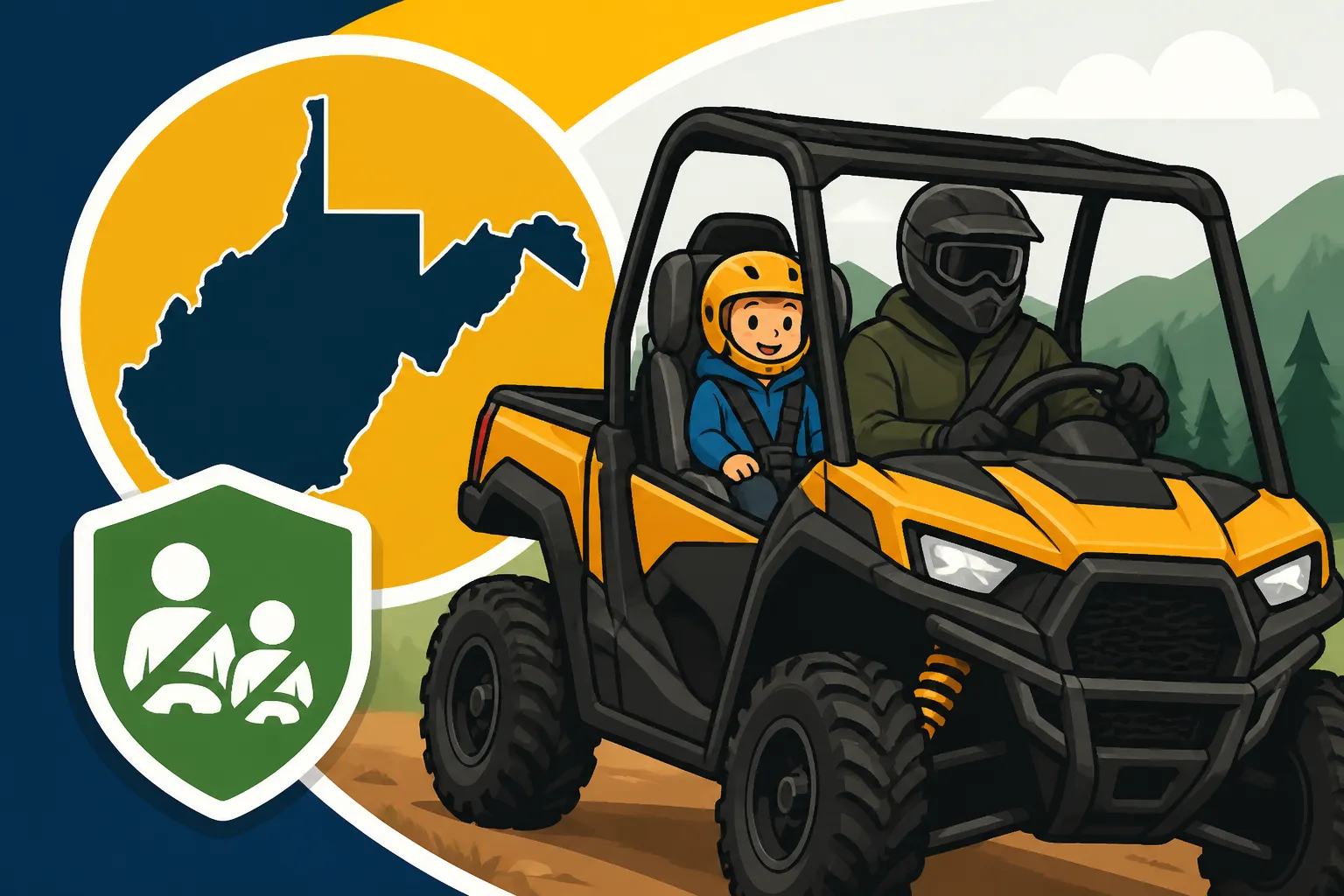
UTVs, or side-by-sides, are a different story altogether, thankfully! These vehicles are specifically designed with multiple seats and occupant restraints, making them a much safer option for carrying passengers, including children. However, this doesn't mean it's a free-for-all. Even with a UTV, you still need to pay close attention to manufacturer guidelines regarding minimum passenger age and size. Many UTVs will have a recommended minimum age, often around six years old, but this can vary. It's also critical that the child can sit properly in the seat and be secured by the vehicle's seat belt or harness system.
On managed trail systems like the Hatfield-McCoy Trails, there are very specific rules you must follow. For instance, children often need to be at least six years old to ride as a passenger, and those under 16 typically require direct adult supervision. You can find detailed information on these requirements by checking out [Hatfield-McCoy Minimum Age of Six] and [Direct Supervision Rules for West Virginia Riders Under 16]. The goal is to ensure the child is not only physically capable of riding safely but also mature enough to understand and follow instructions during the ride. Remember, even in a UTV, an off-road environment can be unpredictable, so proper seating and a secure fit are non-negotiable.
Safety First: Protecting Your Young Passenger
Once you've navigated the legalities, the absolute top priority shifts to ensuring your child's physical safety. It's easy to get caught up in the excitement of the ride, but a momentary lapse in judgment or preparedness can have serious consequences. Think of it like this: your child's well-being isn't just a rule; it's a sacred trust.
Essential Safety Gear for Children
Just like adult riders, children need appropriate safety gear, and often even more so due to their smaller size and developing bodies. This isn't just about meeting minimum requirements; it's about providing the best possible protection against the unpredictable nature of off-road riding.
Here’s a breakdown of what your young passenger absolutely needs:
- Helmet: This is non-negotiable. A properly fitted, DOT or Snell-approved helmet is crucial to protect against head injuries. It should be snug, but not uncomfortably tight, and sit level on their head. Many parents struggle with finding helmets that fit smaller heads correctly, but never compromise on this. A helmet that's too big can shift and offer little protection. For more specifics, check out [Helmet Rules for Riders Under 18].
- Eye Protection: Goggles or a full-face shield are vital to protect their eyes from dust, branches, insects, and flying debris. You'd be surprised how much stuff kicks up on the trail! Clear vision also helps them enjoy the ride more. Consider the differences explored in [Goggles Versus a Face Shield on the Trail] to make an informed choice.
- Long-Sleeved Shirt and Long Pants: Even on warm days, these provide a barrier against scratches, cuts, and sun exposure. Durable fabrics are best.
- Gloves: Gloves protect their hands from abrasions and improve grip, especially if they're holding onto a grab handle.
- Over-the-Ankle Boots: Sturdy boots protect their feet and ankles from impacts, debris, and ensure they have good footing if they need to dismount. Sneakers just don't cut it.
It's common for kids to complain about wearing all the gear, especially when it's hot, but gently explain why it's so important. Make it part of the adventure – "This is what real adventurers wear to stay safe!"
Proper Seating and Restraints in UTVs
This is where UTVs really shine for family riding, but it's also where you need to be most diligent. Simply having a seat and a belt isn't enough; you need to ensure the restraint system is effective for your child's specific size.
- Seat Belts and Harnesses: All UTVs come with seat belts, typically a three-point lap and shoulder belt. For younger, smaller children, however, these standard belts might not fit correctly, meaning the shoulder strap could ride too high on their neck, or the lap belt might not sit snugly across their hips. This is a significant safety concern. Many parents look to aftermarket solutions for enhanced child safety. Companies like SuperATV offer various harness options or inserts designed to better secure smaller passengers in a UTV seat, ensuring the straps cross the child's body in the correct places.
- Booster Seats/Child Seats: While not as common as in cars, some UTV-specific booster seats or inserts are available. If you use one, ensure it is securely mounted and compatible with the UTV's restraint system. Never use a standard car seat unless it is explicitly designed and rated for off-road vehicle use and can be properly secured to the UTV's frame.
- Staying Seated: Emphasize to your child from the very beginning that they must remain seated with their hands and feet inside the vehicle at all times. No standing up to get a better view, no leaning out to point at something, and certainly no reaching for branches! Reinforce this rule consistently throughout the ride.
Making sure your child is properly restrained isn't just about compliance; it's about protecting them from being jostled around, impacting interior surfaces, or, in a worst-case scenario, being ejected from the vehicle during a sudden stop or turn.
Riding Techniques with Young Passengers
When you have precious cargo on board, your riding style needs to shift dramatically. This isn't the time for aggressive cornering, high speeds, or conquering the gnarliest obstacles.
- Slower Speeds and Smoother Terrain: Prioritize smooth, controlled riding. Stick to trails that are well within your and your vehicle's capabilities. Avoid challenging terrain, steep inclines, deep ruts, or anything that could cause abrupt movements or potential rollovers. The goal is a comfortable and enjoyable experience for your child, not an adrenaline rush.
- Anticipate and Communicate: Continuously scan the trail ahead for bumps, rocks, or changes in terrain. Slow down before you hit an obstacle, rather than reacting to it. Talk to your child frequently. Ask if they're comfortable, if they need a break, or if anything is bothering them. Communication builds trust and allows you to adjust your ride.
- Frequent Breaks: Children have shorter attention spans and can get tired or overwhelmed more easily than adults. Plan for regular stops where they can stretch their legs, have a snack, use the restroom, and simply take a break from the constant motion and vibration. These breaks are also great opportunities to point out interesting sights and make the ride educational.
- Educate and Empower: Before you even start the engine, explain to your child how important it is to keep their hands and feet inside, hold onto a grab bar (if applicable), and listen to your instructions. Make them feel like a part of the safety process, not just a passive passenger.
Remember, a successful ride with children isn't measured by how many miles you covered or how challenging the trails were, but by the smiles and positive memories created.
Where Can Kids Ride as Passengers in West Virginia?
West Virginia offers some incredible opportunities for off-road adventures, but where exactly can you bring your child as a passenger? The answer largely depends on the type of land and the specific rules governing that area. You can't just assume all roads and trails are fair game.
Managed Trail Systems (e.g., Hatfield-McCoy)
West Virginia's renowned Hatfield-McCoy Trails system is perhaps the most popular destination for family off-roading, and for good reason! These trails are well-maintained, clearly marked, and have specific rules designed to ensure rider safety, including for child passengers. This is often the safest and most regulated environment for kids.
For UTVs (side-by-sides), children are generally allowed as passengers, but strict age limits apply. As mentioned earlier, typically a child must be at least six years old to ride as a passenger on the Hatfield-McCoy Trails. Additionally, children under the age of 16 must be under the direct supervision of an adult. This means the adult needs to be present and actively monitoring the child, ready to intervene if necessary. You'll want to thoroughly review the specific rules on [Age Rules for Passengers at Hatfield-McCoy] and for a broader understanding, [Riding With a Child in a Side-by-Side]. These systems often have easy-to-read rules posted at trailheads and welcome centers, and their website (Trailsheaven.com) is an excellent resource for current guidelines. The structure and signage of these managed trails make them an ideal setting for introducing children to off-roading safely.
Private Property and Unmanaged Land
If you own private land, or have explicit permission to ride on someone else's private property, the rules regarding child passengers are often less stringent than on public or managed lands. However, this doesn't mean you should throw caution to the wind. Manufacturer guidelines regarding age and seating should still be your primary consideration. While there might not be a state trooper checking your child's age on your back forty, your personal responsibility for their safety remains paramount.
On unmanaged public lands (if such riding is permitted, which is rare for ATVs/UTVs outside designated areas in West Virginia), you'd generally be expected to adhere to state laws and manufacturer recommendations. The key takeaway here is that while you might have more leeway on private land, all the safety precautions – proper gear, secure seating, and conservative riding – are even more critical since there are no trail patrols or emergency services immediately on hand.
Public Roads and SPV Plates
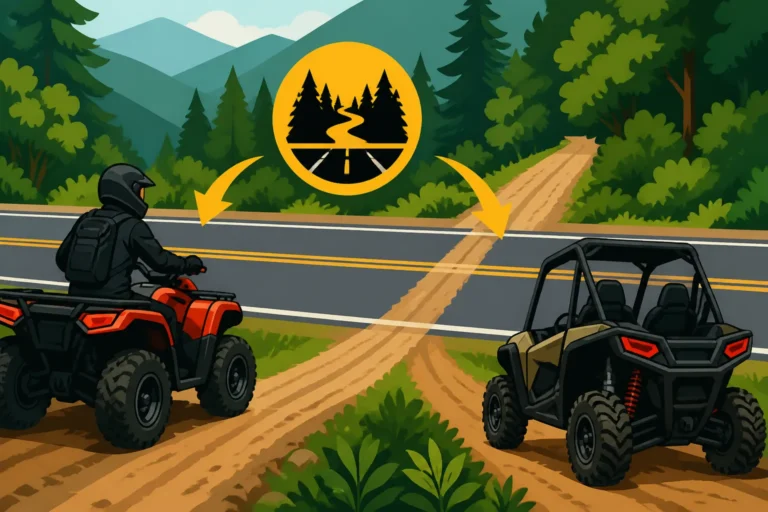
Riding ATVs and UTVs on public roads in West Virginia is generally very restricted, with specific exceptions. If you've gone through the process of getting a Special Purpose Vehicle (SPV) plate for your UTV, allowing it to be street-legal on certain roads, the situation for child passengers becomes a bit more nuanced.
For a UTV with an SPV plate operating on a public road, it often falls under the same passenger laws as a regular motor vehicle, with considerations for seat belts and child restraint systems. However, even with an SPV plate, the vehicle is still an off-road machine at its core, and its crash-worthiness and occupant protection features are not the same as a passenger car. Always refer to your UTV's manufacturer guidelines first. Additionally, the operator of an SPV on public roads must possess a valid driver's license. For specific details on getting your vehicle street-legal, look up [West Virginia's Street-Legal Special Purpose Vehicle Plate], and for operator age, refer to [West Virginia ATV Road Riding Age Minimum]. It’s a complex area, and safety should always take precedence over convenience when children are involved.
Practical Considerations for Family Rides
Beyond the rules and safety gear, there's an art to making family ATV or UTV rides enjoyable and memorable. It involves a bit of planning, a lot of communication, and a willingness to adapt. After all, a grumpy or uncomfortable child can quickly turn an adventure into a chore!
Preparing for a Ride with Kids
You know the drill: anything involving kids requires an extra layer of planning, and off-roading is no exception. Thinking ahead can save you a lot of headaches on the trail.
- Pack Smart: This means more than just a trail map. Bring extra water and snacks – children can get dehydrated and hungry surprisingly fast in the fresh air. A small first-aid kit is essential for minor scrapes or bumps. Pack layers of clothing; mountain weather in West Virginia can change quickly, going from sunny to chilly in a matter of hours. Don't forget sunscreen, bug spray, and perhaps a small blanket for comfort during breaks. Need ideas for your kit? See [What to Carry on a Remote West Virginia Ride].
- Plan Shorter Routes: While you might be itching to tackle a 50-mile loop, a 10 or 20-mile ride with plenty of stops might be perfect for kids. Build in time for exploration, stream paddling, or just enjoying the view.
- Fuel Up (Both Vehicle and Kids!): Make sure your UTV is fueled and checked over, but also ensure your children have had a good meal before heading out. Low blood sugar and a bumpy ride are a recipe for discomfort.
- Entertainment: For some kids, the scenery is enough, but for others, bringing a small toy, a book for quiet breaks, or even playing a simple "I Spy" game can keep them engaged during stretches of less exciting trail.
Communication and Setting Expectations
Talking to your kids before and during the ride is key to a smooth experience. They need to understand the rules and what to expect.
- Pre-Ride Briefing: Before you even leave the driveway, sit your child down and explain the rules: where they need to sit, what to hold onto, why they must wear their gear, and why listening to your instructions is so important. Make it a serious talk, but not scary.
- Check-Ins: Throughout the ride, regularly check in with your child. "Are you comfortable?" "How are you feeling?" "Do you need a break?" Their ability to articulate discomfort might be limited, so look for non-verbal cues like fidgeting or looking bored.
- Point Out Things: Engage them with the environment. "Look at that hawk!" "Can you see the deer tracks?" "Listen to the creek!" This helps them feel connected to the experience and less like just being carted along.
- Establish Hand Signals: If helmets make verbal communication difficult, establish a few simple hand signals for "slow down," "stop," or "I need a break."
Equipment Upgrades for Family Comfort
While safety is paramount, comfort plays a huge role in a child's enjoyment of a ride. A happy, comfortable child is a safe child. There are several aftermarket solutions that can greatly enhance the experience for your young passengers.
| Feature | Standard UTV Seating | Aftermarket Upgrade Considerations | Benefit for Child Passenger |
|---|---|---|---|
| Seat Belts/Harness | Standard 3-point belts | 4- or 5-point harnesses, shorter child-specific harnesses (e.g., from SuperATV) | Enhanced security, prevents slumping, better fit for smaller bodies |
| Seat Comfort | Firm, basic upholstery | Padded seat inserts, suspension seats, wider cushions | Reduces fatigue, absorbs vibrations, more comfortable on long rides |
| Footrests | Standard floorboard/footwell | Dedicated child footrests, anti-slip mats | Ensures proper posture, prevents feet from dangling |
| Weather Protection | Open cabin | Full or half windshields, roofs, rear panels, soft cab enclosures | Protection from sun, rain, wind, dust, and cold |
| Grab Handles | Integrated or minimal | Additional grab handles, specific child grab bars | Provides extra secure points for holding on, boosts confidence |
| Storage | Limited in-cab storage | Under-seat storage, cargo boxes, door bags, cooler mounts | Space for snacks, drinks, toys, extra clothing |
Investing in comfort solutions, such as aftermarket harnesses or seat upgrades from a reputable brand like SuperATV, not only makes the ride more pleasant for your child but also contributes to their overall safety by keeping them securely in place and less fatigued. A roof and windshield can offer protection from sun, rain, and dust, making the ride more enjoyable for everyone. Remember, a child who is uncomfortable or bored is more likely to fidget and potentially compromise safety.
Disclaimer
This article is for general informational purposes only and does not constitute professional advice. Laws, prices and regulations vary by location and change over time. Consult a qualified professional for guidance on your specific situation.