West Virginia Trespass Law for ATV Riders
One of the biggest anxieties for ATV and UTV riders in West Virginia, especially when exploring new areas or riding near established trails, is the fear of inadvertently trespassing. It's a common, legitimate concern that can quickly turn an otherwise fantastic day of riding into a stressful situation, potentially leading to fines or even legal trouble. This guide is here to break down West Virginia's trespass laws specifically as they apply to ATV and UTV riders, helping you understand your rights, responsibilities, and how to enjoy the incredible Mountain State trails without crossing any legal lines.
Understanding the Core of West Virginia Trespass Law for ATV Riders
At its heart, West Virginia's trespass law is pretty straightforward: you cannot enter or remain on someone else's property without their permission. For ATV riders, this often gets complicated because property lines aren't always clearly marked, and what looks like an abandoned road or an open field might actually be privately owned land. The law is designed to protect landowners' rights to their property, and that protection extends to preventing unauthorized vehicle use, which includes ATVs and UTVs.
It’s not just about fences and "No Trespassing" signs either. While those certainly make it clear, the absence of such markings doesn't automatically mean you have permission to ride. The burden often falls on the rider to know where they are and whose land they're on. This can be particularly frustrating in rural West Virginia, where land ownership can be fragmented and access points sometimes look like public easements. Many folks assume that if a gate is open, or there’s no visible sign, it’s fair game. Unfortunately, that's a gamble that often doesn't pay off.
The state's code specifies that it's unlawful for any person to enter the property of another without the consent of the owner or occupant. This means if you're on an ATV, and you cross a property line onto land that isn't yours, and you don't have explicit permission, you're technically trespassing. Even if you don't intend to cause harm or damage, the act of being there without permission is enough. This isn't unique to West Virginia, of course, but it's a critical concept for anyone enjoying the outdoors on an off-road vehicle here. You might be having a blast, enjoying the scenery, only to suddenly find yourself in a sticky situation with a local landowner or law enforcement.
Navigating Public Versus Private Land: Key Distinctions for ATV Enthusiasts
Distinguishing between public and private land is perhaps the most challenging aspect for ATV riders trying to stay on the right side of the law. West Virginia offers vast stretches of public land, including national forests and the incredible Hatfield-McCoy Trail System, but it's also a state with a strong tradition of private land ownership. Knowing where you are at all times is paramount.
Identifying Public Roads and Trails
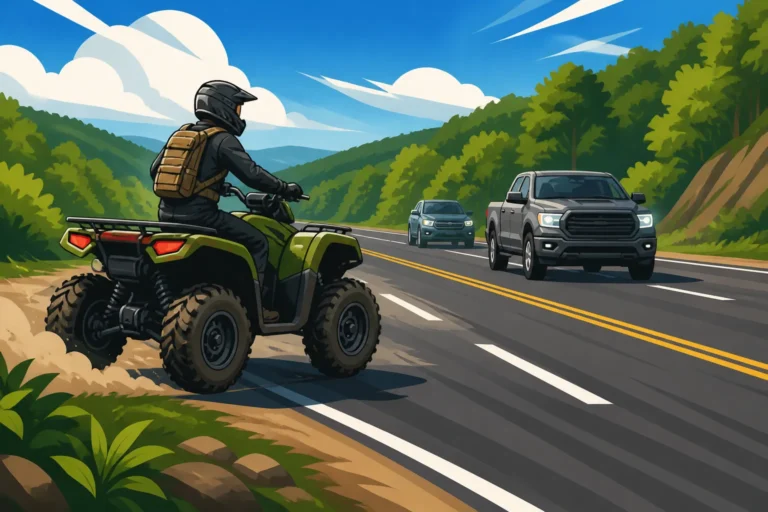
Public roads, by definition, are open to public use. However, this doesn't automatically mean they are open to ATV use. In West Virginia, riding an ATV on public roads is generally restricted, with specific exceptions. For example, some small municipalities in trail towns allow ATVs on certain streets, and there are often rules about how far and how fast you can ride on secondary roads without a center line. [Riding an ATV on the Road in West Virginia] can be complex, involving speed limits like the [West Virginia's 10-Mile, 25 mph Road Rule] and specific equipment requirements if you opt for a Special Purpose Vehicle (SPV) plate. [West Virginia's Street-Legal Special Purpose Vehicle Law] offers a path for making your UTV road-legal, but even with an SPV plate, you can't just ride anywhere.
When it comes to trails, the Hatfield-McCoy Trail System is West Virginia's shining example of managed public access for ATVs. These trails are clearly marked, regularly maintained, and riders purchase permits to use them. Similarly, there are designated trails in national forests or state forests, but these often have their own specific rules and might not permit all types of off-road vehicles. Always check the rules for [West Virginia Rules on National Forest Land] or any state park or forest you plan to visit, as they often vary. You’ll find some trails are multi-use, shared with hikers, mountain bikers, or even equestrians, which brings its own set of etiquette rules, such as those covered in [West Virginia Trail Etiquette on Shared Routes].
Recognizing Private Property Boundaries
Private land is, well, private. This includes everything from someone's backyard to vast tracts of timberland or old mining properties. The biggest issue for ATV riders is often encountering old logging roads, utility easements, or even just what looks like an overgrown path that cuts through someone's property. Without proper signage, it can be incredibly difficult to tell.
Many landowners use signs to explicitly mark their boundaries, whether they say "No Trespassing" or "Private Property." Some will even paint trees along property lines with a specific color to delineate boundaries, though this isn't universally consistent. Beyond signs, fences, gates, and natural features like creeks or ridgelines can serve as de facto boundaries. The presence of hunting stands, cabins, or other private structures is a clear indicator you're on someone else's land.
It's also important to remember that land owned by coal companies or timber companies is private property. While these companies might allow access for hunting or other recreational purposes through permits, assuming open access on their lands for ATV riding without explicit permission is a surefire way to commit trespass. [Riding on Posted Land in West Virginia] is a very clear violation, and signs exist for a reason.
Here's a quick comparison of public vs. private land indicators:
| Feature/Indicator | Public Land (Generally Permitted ATV Use) | Private Land (Requires Permission) |
|---|---|---|
| Signage | Designated trail markers, public access signs | "No Trespassing," "Private Property," specific property owner signs |
| Maintenance | Managed trail systems (Hatfield-McCoy), marked state/national forest roads | Unofficial paths, old logging roads, unmaintained tracks |
| Maps/GPS | Clearly marked on official trail maps (e.g., Trails Heaven), public land layers on apps (e.g., onX Offroad) | May not be clearly marked as private, but official plats or GIS data would show ownership |
| Infrastructure | Trailheads, public parking, restrooms | Private residences, outbuildings, hunting camps, locked gates |
| Enforcement/Oversight | Trail rangers, forest service, state police | Local sheriff, property owner, private security (e.g., coal company land) |
| Permits/Fees | Required for Hatfield-McCoy Trails, some state park access | No public permits; permission must come directly from landowner |
Always, always carry a reliable GPS device with updated maps that show property lines. Apps like onX Offroad are a fantastic tool that can display land ownership boundaries right on your phone, helping you avoid accidental trespass. This is arguably one of the best investments you can make as an off-road rider in West Virginia, offering peace of mind that no amount of fancy aftermarket parts from SuperATV can provide on its own.
Consequences of ATV Trespass in West Virginia
Trespassing isn't just a minor inconvenience; it carries real legal and financial consequences in West Virginia. What starts as an innocent mistake can quickly escalate into a serious headache, especially if property owners are fed up with unauthorized vehicle use.
Legal Penalties and Fines
In West Virginia, trespass is generally considered a misdemeanor. The exact penalties can vary depending on the specifics of the situation, such as whether it's a first offense, if there was any damage to the property, or if you ignored clear "No Trespassing" signs. Typically, you could be facing fines, and in some cases, even jail time, though that's usually reserved for repeat offenders or situations involving malicious intent or significant damage.
Fines for initial trespassing offenses can range, but they are often substantial enough to make you think twice about cutting across someone's land. Beyond the initial fine, you might also be held responsible for any damage your ATV caused to the property, which could include ruts, damaged gates, or environmental impact. For example, if you churn up a farmer's field or damage sensitive ecosystems near a waterway, the costs to repair that could be significant. These penalties are designed to deter unauthorized entry and protect property rights.
Furthermore, if you are caught trespassing on a managed trail system like the Hatfield-McCoy Trails by riding off-trail or without a valid permit, you could face specific fines related to those rules. [Fines for Riding Hatfield-McCoy Without a Permit] are very real, and trail rangers are diligent about enforcement.
Dealing with Law Enforcement and Landowners
If you are caught trespassing, you'll likely first encounter the landowner or a representative (like a game warden or security for a private company). It's crucial to remain calm and respectful, even if you feel you made an honest mistake. Confrontation will almost certainly make the situation worse. Landowners often have a strong emotional connection to their property, and repeated trespass can lead to frustration and anger.
Should law enforcement become involved, they will investigate the situation. If they determine you were indeed trespassing, they have the authority to issue citations, which will require you to appear in court or pay a fine. Depending on the county and the deputy's discretion, they might also require you to remove your vehicle immediately, even if it's not convenient. This could mean a long walk back to your truck or arranging for a tow, all on your dime.
In some cases, if the trespass is particularly egregious or involves repeated offenses, your ATV could even be impounded. That's a whole other level of headache and expense, involving impound fees, daily storage charges, and the hassle of getting it released. These are not minor consequences, and they are definitely not worth the risk of taking a shortcut or exploring an unknown path. If you are involved in an incident, whether an accident or a simple stop, it's wise to understand [West Virginia ATV Accident Reporting Rules] and your rights.
Practical Tips for Avoiding Trespass as an ATV Rider
Avoiding trespass is largely about preparation, awareness, and respect. A little foresight can save you a lot of trouble and ensure your riding experience in West Virginia remains enjoyable and legal.
Plan Your Route in Advance
Before you even load up your rig, take the time to plan your route. Utilize official trail maps for systems like the Hatfield-McCoy Trails. If you're exploring areas outside designated trail systems, invest in detailed topographical maps or use GPS apps that show property lines. Tools like onX Offroad are invaluable because they overlay property ownership data, parcel lines, and even landowner contact information onto satellite imagery. This allows you to see exactly where public land ends and private land begins.
Pay attention to natural barriers, fences, and signs. While you might not always spot every "No Trespassing" sign, a well-planned route based on reliable mapping can significantly reduce your risk. If a trail looks like it might lead onto private land, it’s best to err on the side of caution and turn back. Remember, it's always easier to change your route than to deal with a trespass charge.
Consider bringing along external accessories from companies like SuperATV that help with navigation, such as rugged GPS units or phone mounts that keep your mapping visible and safe while riding. But even the best equipment won't replace good planning.
Seek Explicit Permission
If there's a piece of private property you'd like to ride on, the simplest and most effective way to avoid trespass is to ask for permission directly from the landowner. This might seem like a hassle, but a polite request can often open doors to new riding opportunities. Many landowners are happy to grant permission, especially if you assure them you'll be respectful of their property.
When asking for permission:
- Be Prepared: Know exactly what you're asking for – which trails you want to ride, for how long, and with how many people.
- Be Respectful: Approach them courteously, explain who you are, and your intentions.
- Offer Assurance: Let them know you'll pack out what you pack in, close any gates, and be mindful of their land and privacy.
- Get it in Writing (if possible): For longer-term access or repeated visits, a simple written agreement or even a text message exchange can serve as proof of permission.
Always respect a landowner's "No," even if it's disappointing. Their property is their right, and they don't owe anyone access.
Heed All Warning Signs and Barriers
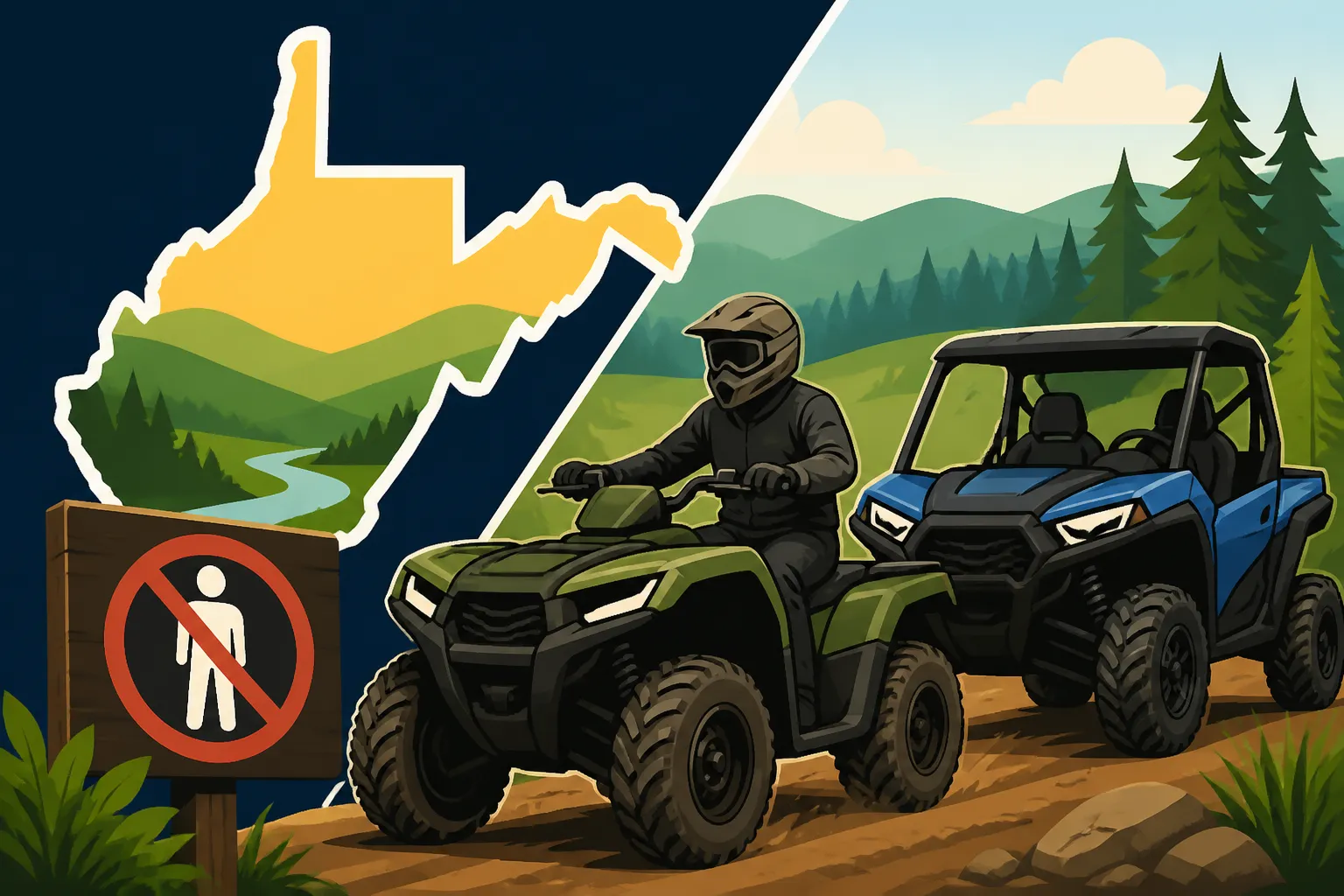
This might seem obvious, but it's surprising how often riders ignore signs or go around closed gates. "No Trespassing," "Private Property," "Posted," or "No Motorized Vehicles" signs are there for a reason and legally define the property owner's wishes. Going past them is a clear act of trespass.
Similarly, gates, fences, and other barriers are physical indicators of restricted access. Do not open or go around closed gates, even if they don't have a "No Trespassing" sign. A closed gate generally implies that entry is not permitted. If you find yourself in an area that becomes clearly marked as private or restricted while riding, turn around immediately. The longer you continue on private land, the more severe the consequences could become. Don't be that rider who thinks "just a little further" is worth the risk.
Remember the specific challenges of riding along roads where [West Virginia Trespass Rules Along Roads] can be particularly tricky, as easements and property lines can be confusing. Sticking to designated trails and always respecting posted signs, no matter how remote, is your best defense against unintended trespass. While some aftermarket parts from SuperATV can help you navigate challenging terrain, they can't save you from a trespass violation.
| Action to Avoid Trespass | Description |
|---|---|
| Use GPS with Property Lines | Invest in apps or devices that show land ownership boundaries. Know where public land ends and private land begins. |
| Study Official Trail Maps | Stick to designated and clearly marked public trails and trail systems, such as the Hatfield-McCoy network. |
| Seek Landowner Permission | If you want to ride on private land, respectfully contact the owner beforehand and obtain explicit consent. |
| Heed "No Trespassing" Signs | Never, under any circumstances, ignore or bypass signs indicating private property or restricted access. |
| Respect Fences and Gates | A closed gate or fence means "keep out." Do not open, go around, or damage them. |
| Educate Yourself on Local Laws | Understand the nuances of [West Virginia Trespass Law for ATV Riders] and specific county ordinances in your riding area. |
| Maintain Situational Awareness | Continuously observe your surroundings for any indicators of private land, even if unmarked (e.g., private driveways, residential structures). |
| Carry Proof of Access (if applicable) | If you have permission, carry a copy of the written consent or permit on your person while riding. |
By taking these precautions, you can confidently explore the stunning landscapes of West Virginia on your ATV or UTV, knowing you're doing so responsibly and legally.
Disclaimer
This article is for general informational purposes only and does not constitute professional advice. Laws, prices and regulations vary by location and change over time. Consult a qualified professional for guidance on your specific situation.