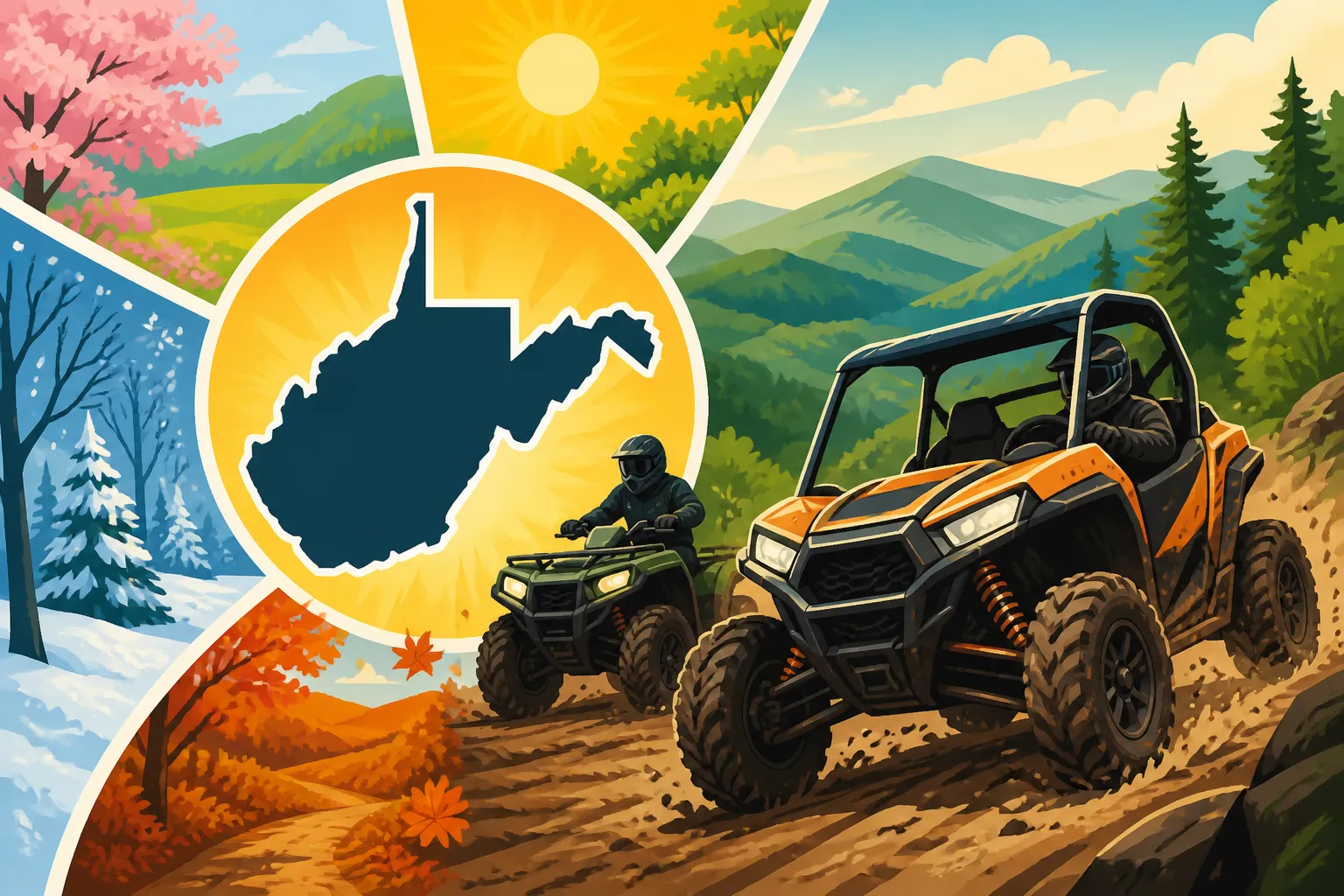
Best Month to Ride West Virginia Trails
Choosing the best month to ride West Virginia trails depends on what matters most to you: comfortable temperatures, less mud, fall color, or a quieter trailhead. Southern West Virginia can change quickly with elevation and rain, so the month that sounds perfect on paper may feel different on the trail. This guide compares the seasons and helps you plan around conditions, crowds, and daylight.
How the seasons change West Virginia trail riding
Spring brings fresh scenery and unpredictable trail conditions
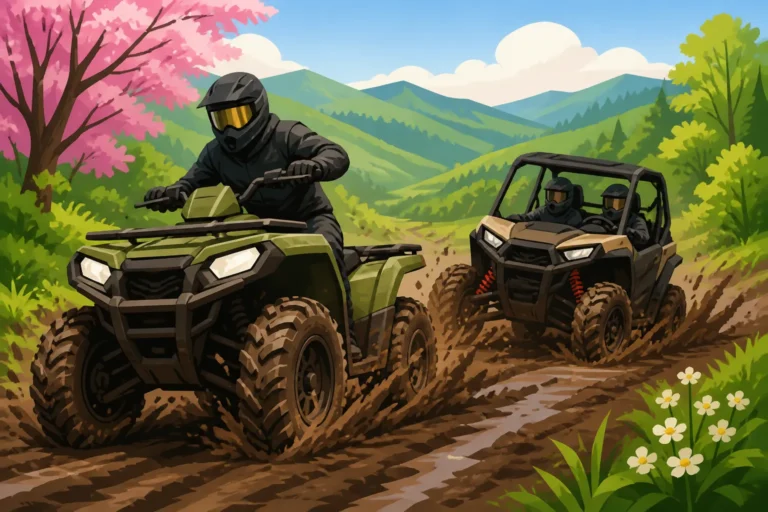
March and April can be appealing if you want to ride before the busiest warm-weather weekends, but spring conditions are hard to predict. A stretch of rain can leave low sections soft and creek crossings higher than expected. Higher ground may stay chilly even when the temperature feels pleasant in Gilbert or Logan, and shaded hollows can remain damp after the sun comes out.
May is often a strong compromise for riders who want green scenery and milder temperatures without the heat of midsummer. The woods are filling in, days are getting longer, and a dry spell can make for comfortable riding. But spring showers can arrive quickly, so your plans should stay flexible. A route that looked manageable the previous afternoon may be muddy after overnight rain.
If spring is your choice, check trail conditions close to departure rather than relying on a report from earlier in the week. Look for updates about closures, maintenance, and difficult conditions, and pack rain gear even when the forecast looks friendly. The practical advice in [West Virginia Trail Conditions After Rain] can help you think through how recent weather may affect traction and creek crossings.
Summer offers long days but asks more of riders
June, July, and August bring long daylight hours and plenty of time for a full day on the trail. That extra light can make planning easier, especially if your group rides at different speeds or wants to stop for lunch in a trail town. Summer is also a popular period for family outings and vacation trips, so trailheads, lodging, and rentals may feel busier on weekends and holidays.
Heat and humidity can make a ride more tiring than the mileage suggests. A slow climb, a dusty stretch, or a delay helping another machine can add up when riders are already warm. Bring more drinking water than you expect to need, take breaks in shade, and avoid treating a long loop as a race against sunset. The trail surface can also vary: a dry route may be dusty, while a passing storm can turn exposed sections slick.
Summer works especially well for groups that want long rides and flexible stops, provided everyone is prepared for heat and changing weather. If you’re bringing children, plan shorter stretches and frequent breaks instead of assuming they’ll be comfortable with an adult-length day. [Riding West Virginia Trails With Kids] offers useful planning considerations for families. Before setting out, review [Hatfield-McCoy Trail Hours by Season] and current trail information so your riding plan accounts for operating rules and any temporary changes.
A month-by-month guide to choosing your ride
Compare the seasons by what you value most
There isn’t one perfect month for every rider. A beginner who wants moderate temperatures may have a different ideal window from an experienced rider who enjoys slick, technical terrain. Likewise, a photographer hoping for fall color may be willing to trade warmer weather for shorter days.
| Riding period | What it can be good for | What to plan around |
|---|---|---|
| March and April | Quieter-feeling trips and early-season scenery | Chilly mornings, rain, soft ground, and variable conditions |
| May | Mild temperatures, spring greenery, and a useful balance of daylight | Showers and muddy sections after rain |
| June through August | Long days, summer vacations, and time for extended rides | Heat, humidity, dust, busy weekends, and pop-up storms |
| September | A transition toward cooler riding weather | Changing temperatures and shorter evenings |
| October | Comfortable days, fall scenery, and crisp mornings | Less daylight and potentially busier foliage weekends |
| November | Cooler-weather rides and a quieter seasonal feel | Cold starts, early darkness, and more weather uncertainty |
| December through February | Winter scenery and a different kind of outing | Cold, ice, snow, limited daylight, and conditions that can change quickly |
Treat this as a planning framework, not a promise about conditions. West Virginia’s hills and hollows can create different weather on the same ride, and a wet week can matter more than the name of the month. A route near Matewan may feel different from one at a higher elevation, even on the same day.
For many visitors, May and October are appealing starting points because they can offer a balance of comfortable temperatures and scenery. That doesn’t make them automatically better than summer or winter. If your trip depends on a particular trail, check its status and local conditions before you commit to a long drive or a nonrefundable stay.
Pick the month that matches your riding style
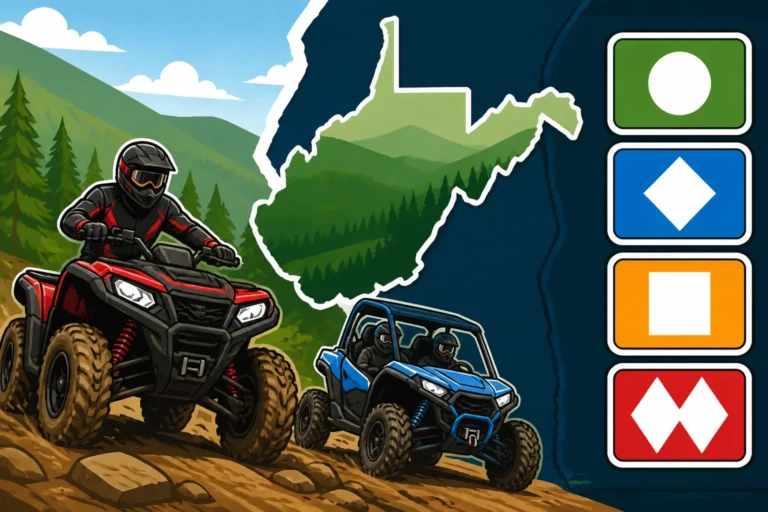
If you’re new to the area, prioritize manageable temperatures and enough daylight to ride without rushing. A May or early-fall trip can be a comfortable introduction, but choose trails suited to your experience and machine rather than assuming the calendar makes a route easy. [West Virginia Trail Difficulty and How It Is Marked] can help you understand why checking route ratings matters before your group starts out.
Experienced riders may enjoy spring or post-rain conditions because mud and wet rock can add a technical challenge. That can also make a ride slower and more demanding. Be realistic about recovery equipment, tire condition, and whether everyone in the group has the skills to handle the route. A challenging day is a lot less enjoyable when a rider feels pressured to keep up.
For scenic riding, October is an obvious draw, but foliage weekends can bring more visitors to popular areas and nearby communities. Consider staying in or near a trail town such as Gilbert, Logan, Matewan, or Bramwell, and leave room in your schedule for slower travel and meal stops. If scenery is the priority, an off-peak weekday may be more relaxing than a Saturday at the height of leaf season.
Plan around weather, daylight, and trail status
Check conditions before you load the trailer
A forecast for a nearby town can be useful, but it won’t tell you everything about the trail. Rain may be heavier at a higher elevation, and a sunny afternoon can follow a muddy morning without drying every shaded section. Check updates close to your departure and again before heading to the trailhead. If your plans include a long drive from out of state, make a backup plan in case a route is closed or conditions are beyond your group’s comfort level.
An app such as onX Offroad can help with route planning and keeping track of your planned ride, particularly when you want to study the area before leaving home. It’s still smart to carry a paper map or other backup and to confirm access, closures, and current rules through the appropriate trail authority. A digital map is a planning aid, not permission to ride a route or proof that it is open.
Pack for the least comfortable part of the day, not just the conditions at your cabin or vehicle. That may mean a warm layer for a chilly morning, rain protection for a passing shower, extra water during summer, or a headlamp for an unexpected delay. For more on preparation, see [What to Carry on a Remote West Virginia Ride]. If you’re riding with a group, agree on a turnaround time and a meeting point before anyone leaves the trailhead.
Build daylight and seasonal rules into the itinerary
Daylight affects how much distance you can comfortably cover, particularly in fall and winter. Shorter days leave less room for mechanical trouble, navigation stops, or a slower-than-expected section. Aim to finish with a buffer before dark rather than planning to use every last minute of daylight. Check the rules that apply to your riding area; do not assume that a road-legal machine can be used after dark on a trail system.
Seasonal planning also includes permits, machine requirements, and rider rules. Confirm what each person and vehicle needs before you leave, especially if your group includes visitors from another state or riders who have not used the trail system before. [Permits West Virginia Riders Actually Need] is a helpful starting point, while [West Virginia's Daylight-Only Trail Riding Rule] can help you account for riding hours.
An onX Offroad route can be useful for estimating the shape of a day, but leave room for stops and changing conditions instead of relying on a tight schedule. If the group is unfamiliar with the area, choose a shorter first ride and add distance only if conditions, energy, and daylight allow. That small bit of flexibility can prevent a fun trip from turning into a rushed return.
Choose the best month for your kind of trip
For comfort, scenery, and fewer surprises
If comfortable temperatures are your priority, consider May or September, while keeping an eye on rain and the forecast. These shoulder-season periods can offer a pleasant balance, but conditions still vary from week to week. A sunny forecast does not eliminate muddy ground from earlier rain, and a cool morning can warm up quickly once the group is climbing or working through a technical section.
If fall color is the main reason for your visit, October is a natural choice. Book and plan with the possibility of busier weekends in mind, and don’t overpack the riding schedule. A shorter ride with time to enjoy the scenery may suit the day better than trying to cover as much distance as possible. OnX Offroad can help you prepare a route in advance, but verify access and trail status before you set out.
If you prefer warm weather and long days, summer may fit best. Start earlier when practical, take water breaks, and be especially thoughtful about riders who are less accustomed to heat. If your group prefers cooler conditions and doesn’t mind packing extra layers, late fall or winter may appeal—but cold, ice, and early darkness require more conservative planning.
Make the final decision with your group
Before choosing a date, ask what kind of day everyone wants. Is the priority a relaxed scenic loop, a technical ride, a family outing, or a long weekend with several days on the trails? A month that suits the strongest rider may not suit a child, a first-time visitor, or someone who tires quickly in heat. Matching the route and schedule to the least experienced rider usually makes the whole group’s day better.
Then check four things before you commit: current trail status, recent weather, expected daylight, and what your group needs for permits and equipment. If any one of those is uncertain, adjust the plan rather than forcing the original itinerary. A shorter route, an extra rest stop, or a different riding day can turn a marginal plan into a good one.
For a first trip, May or early fall can be a reasonable place to start, while October is appealing for riders who want fall scenery and don’t mind planning around shorter days or busier weekends. Summer is best suited to people who value long daylight and can manage heat, and winter is for riders prepared for cold-weather challenges. The best month is ultimately the one that matches your group, the conditions, and the kind of ride you want to remember.
Disclaimer
This article is for general informational purposes only and does not constitute professional advice. Laws, prices and regulations vary by location and change over time. Consult a qualified professional for guidance on your specific situation.